
Why This Camera & Lens Are Great for Panoramas
If you’re wondering how to shoot panorama with Hasselblad X1D-50c & Fujifilm XF 10-24mm f/4 OIS WR, here’s the honest, expert take: this is an unusual pairing because the Fujifilm XF 10-24mm (X-mount, APS-C) does not natively mount to the Hasselblad X1D-50c (XCD mount, medium format, 44×33 mm). There is no practical adapter that preserves infinity focus and controls the Fuji lens electronically on the Hasselblad body, and the Fuji’s APS-C image circle would severely vignette even if a mechanical adapter existed. That said, the two pieces of gear individually are excellent for panoramas in their respective ecosystems.
Why they’re each compelling:
- Hasselblad X1D-50c: 50MP medium-format sensor (44×33 mm) with ~5.3 µm pixel pitch and ~14 stops of dynamic range at base ISO. Files have superb color depth and highlight roll-off, great for high-end commercial 360° work. Leaf-shutter XCD lenses sync flash at all speeds, useful for mixed-light interiors.
- Fujifilm XF 10-24mm f/4 OIS WR: Constant f/4 rectilinear ultrawide zoom for Fuji X bodies with optical stabilization. It’s sharpest around f/5.6–f/8, has well-controlled distortion for an ultrawide, and the 10mm end (≈15mm full-frame equivalent) captures lots of scene with manageable perspective.
How to use this article: we’ll give you a complete 360° panorama workflow for the X1D-50c (with the closest practical lens equivalents), and a parallel workflow for the XF 10-24mm on a Fujifilm X body. The techniques are identical; only coverage, shot count, and a few settings differ.
Quick Setup Overview
- Camera: Hasselblad X1D-50c — medium format 44×33 mm, 50MP, ~14-stop DR at ISO 100, best results at ISO 100–800.
- Lens: Fujifilm XF 10-24mm f/4 OIS WR — rectilinear ultrawide zoom for Fuji X (APS-C); sharpest at f/5.6–f/8; mild barrel distortion at 10mm corrected well in software; OIS helpful handheld, switch off on a tripod.
- Estimated shots & overlap:
- Hasselblad X1D + XCD 21mm f/4 (closest native ultra-wide): 8 around (30% overlap) + 1 zenith + 1 nadir.
- Hasselblad X1D + XCD 30mm f/3.5: 10–12 around + zenith + nadir.
- Fujifilm body + XF 10mm (15mm FF-e): 10 around (25–30% overlap) + zenith + nadir.
- Fujifilm body + XF 14mm: 12–14 around + zenith + nadir.
- Difficulty: Moderate (precise tripod leveling and nodal alignment recommended).
Note on compatibility: the XF 10-24mm cannot be mounted on the X1D-50c. Use it on a Fujifilm X body, or use a native/adapted wide on the X1D (e.g., XCD 21mm/30mm).
Planning & On-Site Preparation
Evaluate Shooting Environment
Walk the scene first. Note moving elements (people, traffic, trees), reflective surfaces (glass, polished floors), and light direction. In interiors with bright windows, plan for HDR bracketing. For glass shooting, keep the front element close (3–10 cm) and use a rubber lens hood to reduce reflections and ghosting. Watch for tripod shadows in low sun and glossy floors.
Match Gear to Scene Goals
Use the Hasselblad X1D-50c when ultimate image quality, color depth, and highlight recovery matter (architectural, fine art, luxury real estate). The sensor’s DR is forgiving; you can confidently bracket ±2 EV for crisp window pulls. ISO 100–400 gives pristine files; ISO 800 remains clean with mild noise reduction.
Use the Fujifilm XF 10-24mm on a Fuji X body for agility and fewer shots than longer focal lengths. At 10mm, single-row 360s are feasible with ~10 shots around. It’s rectilinear (not fisheye), so expect more frames than a fisheye—rewarded by straight lines and easier verticals in architecture. Indoors, ISO 200–800 is safe; OIS helps handheld scouting, but turn OIS off on a tripod.
Pre-shoot Checklist
- Charge batteries, format cards, clean lens/sensor/filters.
- Level the tripod; bring a leveling base and panoramic head.
- Calibrate nodal point for your focal length (especially critical on ultrawides).
- Safety: evaluate wind, edges (rooftops), and traffic if vehicle-mounted; always tether pole/camera.
- Backup workflow: when in doubt, shoot an extra pass around at the same exposure.
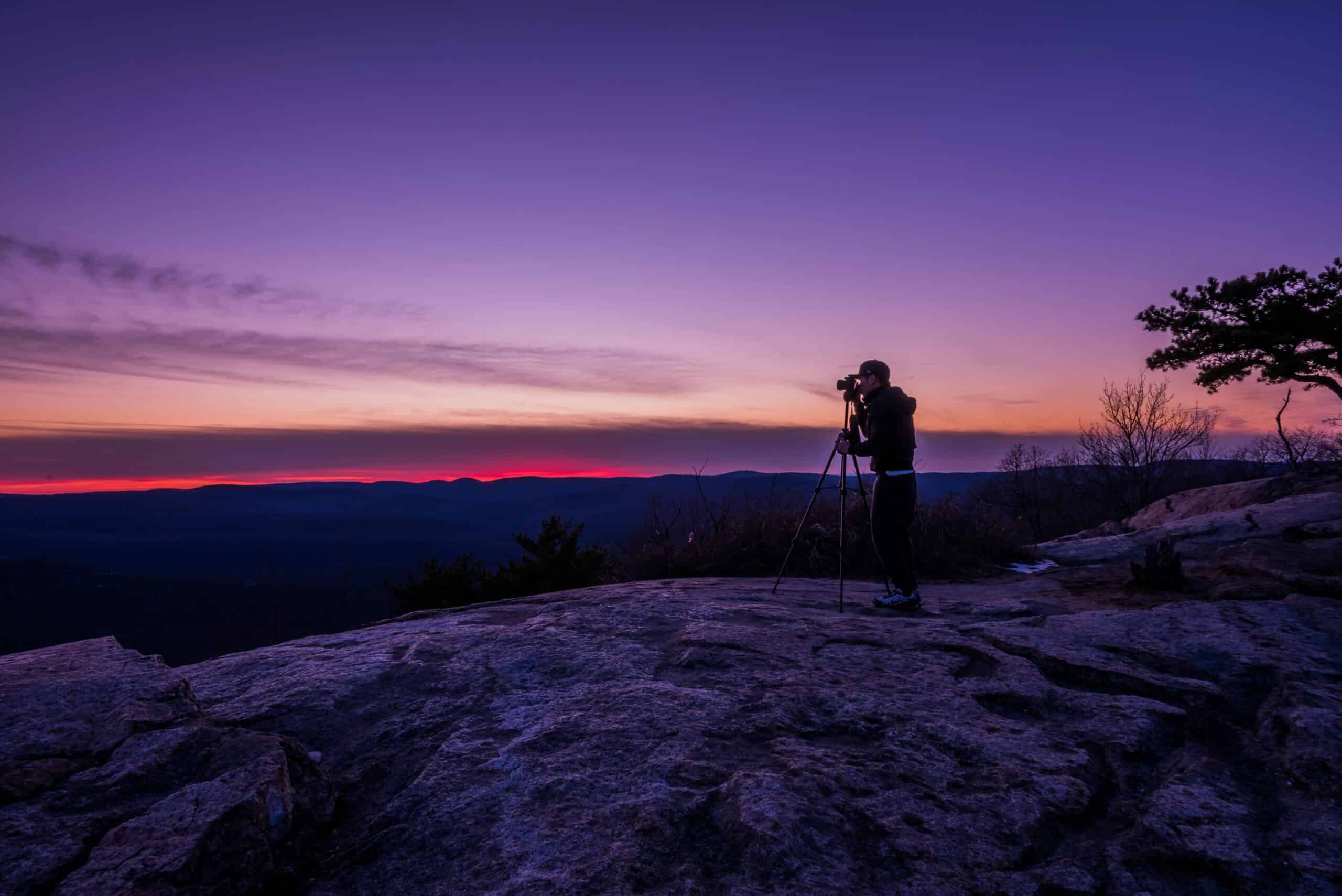
Essential Gear & Setup
Core Gear
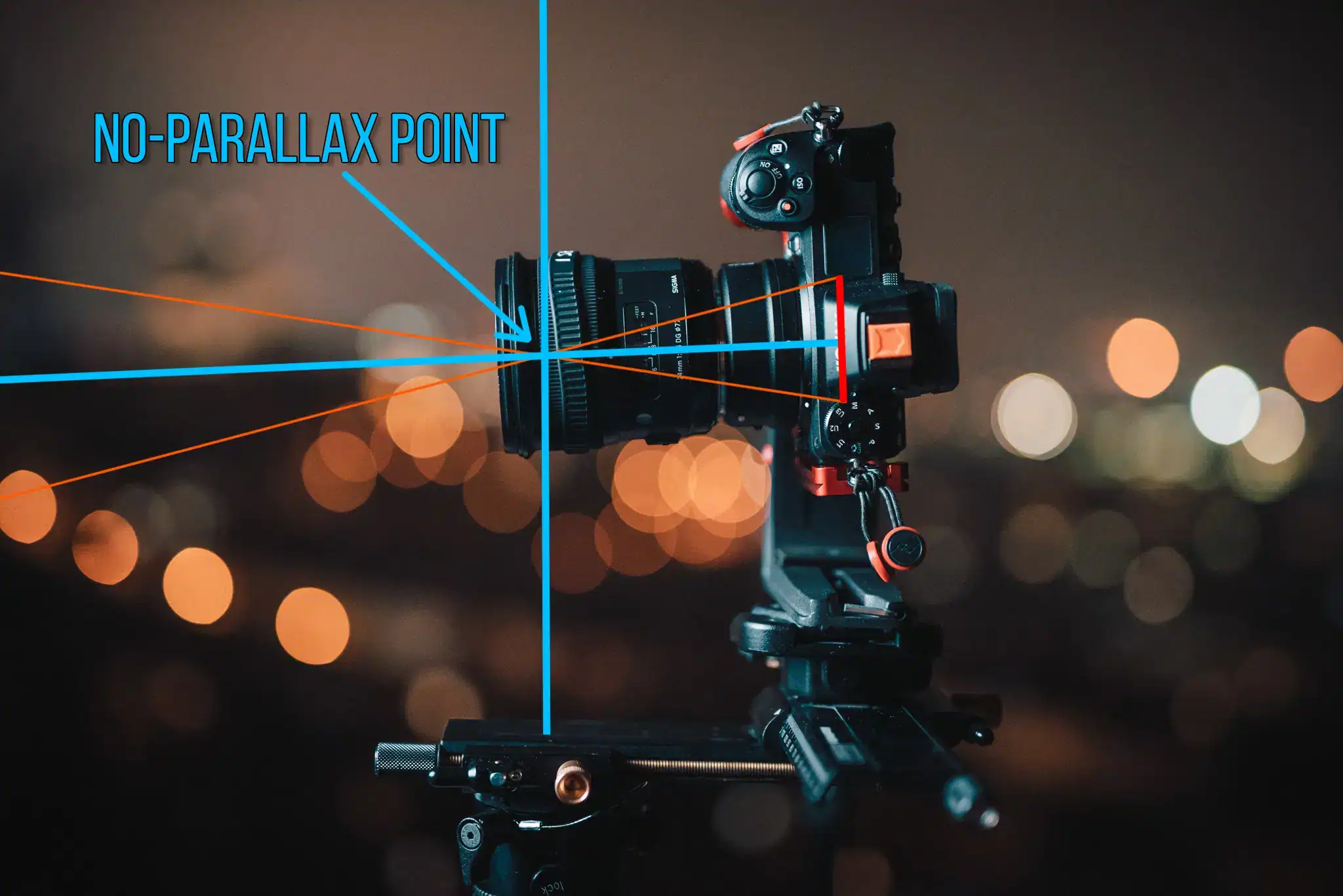
- Panoramic head: lets you rotate the camera around the lens’s entrance pupil (nodal point) to avoid parallax. This is crucial for clean stitches in tight interiors or scenes with near objects.
- Stable tripod with a leveling base: faster setup, keeps your pano row level.
- Remote trigger or camera app: minimizes vibrations; use self-timer if you forget the remote.
Optional Add-ons
- Extension pole or car mount: excellent for elevated or vehicle panoramas. Safety first—use tethers and avoid high winds.
- Small LED panels or bounced flash for dark corners in interiors (X1D leaf shutter allows high-speed sync with suitable lighting).
- Rain cover, microfiber cloths, and a small blower for outdoor/cloudy/windy days.
For a deeper dive into panoramic heads and setup, these tutorials are time-tested references for both beginners and working pros: Panoramic head setup explained.
Step-by-Step Shooting Guide
Standard Static Scenes
- Level and align: Level the tripod using the leveling base. Set your pano head’s arm length to the pre-calibrated nodal setting for your lens/focal length.
- Manual exposure and WB: Meter the brightest area you must hold (e.g., sky or windows). Switch to Manual exposure; lock white balance (e.g., Daylight for outdoors, custom Kelvin for interiors) to prevent stitching color shifts.
- Focus: Use manual focus. For X1D + 21mm at f/8, set focus around 1.2 m (hyperfocal ≈ 1.1 m) for sharpness to infinity. For Fuji 10mm at f/8, focus ~0.7 m (hyperfocal ≈ 0.63 m).
- Capture order:
- X1D + 21mm: 8 shots around (30% overlap), then 1 zenith (tilt up), 1 nadir (tilt down). If the foreground is complex, take an extra off-axis nadir for patching.
- Fujifilm + 10mm: 10 shots around (25–30% overlap), then zenith + nadir. If in doubt, capture 12 around.
- Nadir shot: Move the tripod slightly and shoot a clean ground plate for easier tripod removal in post.
HDR / High Dynamic Range Interiors
- Bracket ±2 EV (3–5 frames) per view to balance windows and interior shadows. Keep the same aperture and focus; vary shutter speed only.
- Lock white balance to avoid hue shifts across brackets and around the panorama.
- Use a remote or 2s timer to avoid vibration. The X1D’s gentle leaf shutter helps keep frames sharp.
Low-Light / Night Scenes
- Use a sturdy tripod. Start at f/4–f/5.6, ISO 100–800 (X1D) or ISO 200–800 (Fuji), and adjust shutter speed for proper exposure (often 1–8s).
- Turn off OIS when on a tripod. Enable long exposure noise reduction if you prefer in-camera NR; otherwise, handle noise in post.
- Use a remote trigger or app; even tiny vibrations can blur long exposures.
Crowded Events
- Make two passes: a fast reference pass and a second pass waiting for subject clearances. Keep your yaw marks consistent.
- Later, mask moving people between the two passes in your stitching software.
Special Setups (Pole / Car / Elevated)
- Secure everything. Use safety tethers. Limit pole height in wind; consider 1–2s shutter max at moderate wind, or raise ISO a stop to keep speeds safer.
- Rotate more slowly and pause between shots to let vibrations dampen. Use higher overlap (30–40%) to help the stitcher.
For a step-by-step visual on precise head setup, see this panoramic head walk-through after you’ve read the basics: Set up a panoramic head for high-end 360 photos.
Recommended Settings & Pro Tips
Exposure & Focus
| Scenario | Aperture | Shutter | ISO | Notes |
|---|---|---|---|---|
| Daylight outdoor | f/8–f/11 | 1/100–1/250 | 100–200 | Lock WB to Daylight; expose for highlights. |
| Low light/night | f/4–f/5.6 | 1/30–8s | X1D: 100–800; Fuji: 200–800 | Tripod + remote; OIS OFF on tripod. |
| Interior HDR | f/8 | Bracket ±2 EV | 100–400 | Balance windows & lamps; keep WB fixed. |
| Action / crowds | f/5.6–f/8 | 1/200+ | 400–800 | Freeze motion; shoot two passes for masking. |
Critical Tips
- Manual focus at hyperfocal: X1D + 21mm at f/8 ≈ 1.1–1.2 m; Fuji 10mm at f/8 ≈ 0.7 m.
- Nodal calibration: Place a light stand close and a background line far. Rotate and adjust the rail until foreground and background don’t shift relative to each other.
- White balance lock: Prevents color mismatch around the pano and across HDR brackets.
- RAW capture: Essential for maximum DR and color fidelity on both systems.
- Stabilization: X1D has no IBIS; Fuji lens OIS is great handheld but turn it OFF on tripod to avoid drift.
Stitching & Post-Processing
Software Workflow
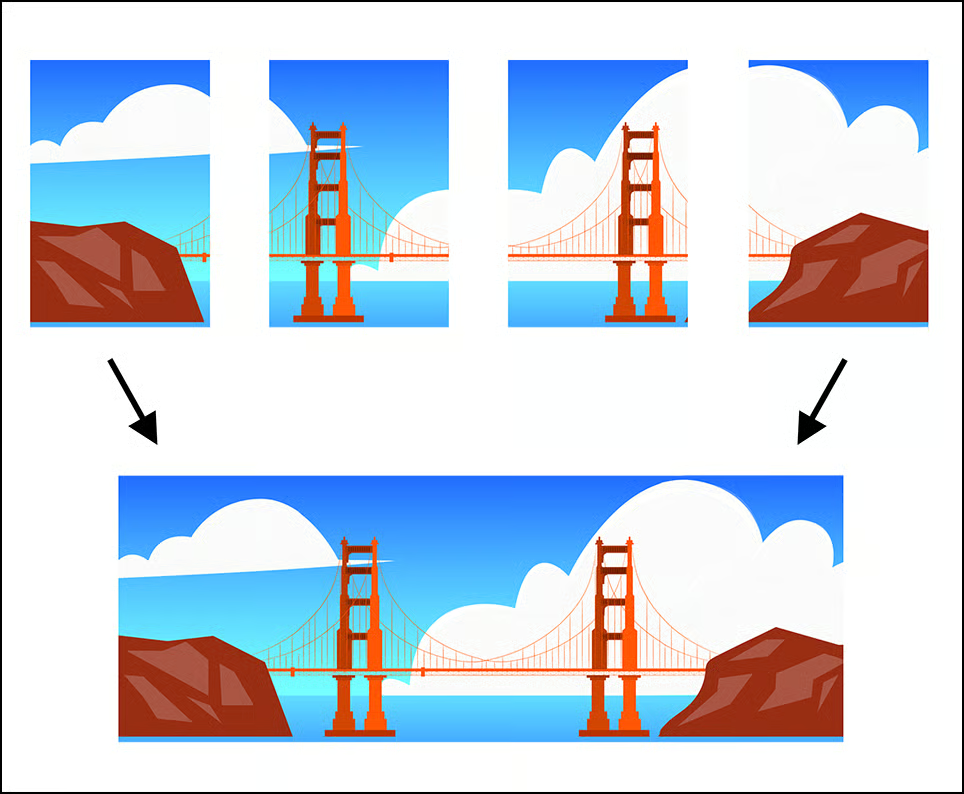
Ingest your RAW files into Lightroom or Phocus (for Hasselblad), apply basic lens corrections and consistent color, then export 16-bit TIFFs to a dedicated stitcher like PTGui or Hugin. Rectilinear ultrawides (XF 10-24mm) require more frames but preserve straight lines; medium-format wides (X1D + XCD 21/30) produce exceptionally detailed 360s with fewer frames than longer lenses. Industry-standard overlap guidelines: ~25–30% for fisheye, ~20–30% for rectilinear ultrawide. PTGui remains a favorite for speed, masking, and control point editing; see a practical review here: PTGui for high-end panoramas.
Cleanup & Enhancement
- Nadir patch: Use a clean ground plate frame or clone/AI tools to remove the tripod. Many virtual tour platforms accept a patched nadir logo plate.
- Color & noise: Match color across the set before stitching when possible; apply gentle noise reduction on ISO 800+ night shots.
- Geometry: Level the horizon, correct roll/yaw/pitch in your stitcher. Use vertical line constraints for architecture.
- Export: Save a 16-bit master and an equirectangular JPEG at 8–12K wide for web/VR. Keep layered source files for revisions.
Video: Visual Stitching Workflow
Here’s a concise panorama walkthrough you can follow side-by-side while processing your first project.
For general DSLR/mirrorless panorama best practices that apply equally to medium format and APS-C ultrawides, this guide remains a solid reference: Techniques to shoot 360 panoramas.
Disclaimer: Always check the latest manuals for your camera, lenses, and software—interfaces and features evolve.
Useful Tools & Resources
Software
- PTGui panorama stitching
- Hugin (open source)
- Lightroom / Photoshop / Affinity Photo
- AI clone/cleanup for tripod and moving subject artifacts
Hardware
- Panoramic heads: Nodal Ninja, Leofoto, Sunwayfoto
- Carbon fiber tripods with leveling bases
- Wireless remote shutters or reliable camera apps
- Extension poles and car mounts with safety tethers
Disclaimer: Names are for search/reference; verify specs and compatibility on official sites before purchasing.
Common Mistakes & How to Avoid Them
- Parallax error → Align the entrance pupil accurately; re-check after changing focal length on a zoom.
- Exposure flicker → Manual exposure and locked white balance across the whole set.
- Missed coverage → Overlap 25–30% and stick to a repeatable yaw increment (e.g., 36°, 30°, or 24° steps).
- Tripod shadow / nadir hole → Shoot a dedicated nadir plate and patch in post.
- Night noise and blur → Keep ISO modest (X1D up to 800; Fuji up to 800–1600 as needed), use a remote, and allow time for vibrations to settle.
Frequently Asked Questions
-
Can I mount the Fujifilm XF 10-24mm on the Hasselblad X1D-50c?
No. The XF lens is X-mount (APS-C) and isn’t mechanically or electronically compatible with Hasselblad XCD. Even if a custom adapter existed, the APS-C image circle would vignette heavily on the 44×33 mm sensor and you wouldn’t have aperture control. Use the XF 10-24 on a Fujifilm X body, or choose a native/adapted wide for the X1D (e.g., XCD 21mm or 30mm).
-
Is the XF 10-24mm wide enough for a single-row 360?
Yes at the 10mm end (≈15mm FF-e), but expect ~10 shots around plus zenith and nadir at 25–30% overlap. It’s rectilinear, so more frames than a fisheye, but verticals stay straight—great for interiors and architecture.
-
What ISO range is safe on the X1D-50c for low light panoramas?
Base ISO 100 delivers maximum dynamic range. ISO 400 is still exceptionally clean; ISO 800 is very usable with light noise reduction. For very dark scenes, keep ISO low and extend shutter time on a stable tripod.
-
How do I avoid parallax issues with these ultrawides?
Use a panoramic head and calibrate the entrance pupil at your chosen focal length. With zooms like the XF 10-24mm, the nodal position changes across the zoom range—mark or note the correct rail setting for 10mm, 14mm, etc. Re-check whenever you change focal length or focus distance.
-
Can I shoot handheld panoramas with the X1D-50c?
You can for simple cylindrical pans, but for 360×180° work, a tripod and pano head are strongly recommended. The X1D has no IBIS, and precise nodal rotation is critical for clean stitches—especially with near objects.
-
Should I enable OIS on the XF 10-24mm when on a tripod?
No. Switch OIS off on a tripod to prevent micro-movements and drift. Use OIS only for handheld scouting or quick ambient pans.
Real-World Scenarios & Field Advice
Indoor Real Estate (Windows + Mixed Light)
Use the X1D + XCD 21mm at f/8, ISO 100–200, bracket ±2 EV per angle. Lock WB (e.g., 4800–5200K) to tame mixed lighting. Keep reflections in mind; step the tripod 10–20 cm if a light fixture creates glare. In PTGui, use vertical line constraints for door frames and edges.
Outdoor Sunset
Shoot a full 360 quickly as the light changes. Meter for highlights, then bracket one extra stop for shadow depth. Wind? Raise shutter and ISO a notch (ISO 200–400) to keep leaves sharp. Confirm your overlap—low-contrast skies can be harder for stitchers.
Event Crowds
At 10–15mm equivalents, moving subjects can appear multiple times. Shoot a fast reference pass, then a second, waiting for gaps. Mask frames in the stitcher to remove duplicates.
Rooftop or Pole Shooting
Mount an extension pole with a safety tether. Shorten exposure to reduce vibration (1/125–1/250 if possible) and increase overlap to 30–40%. Avoid high winds; if unavoidable, lower the pole or postpone.
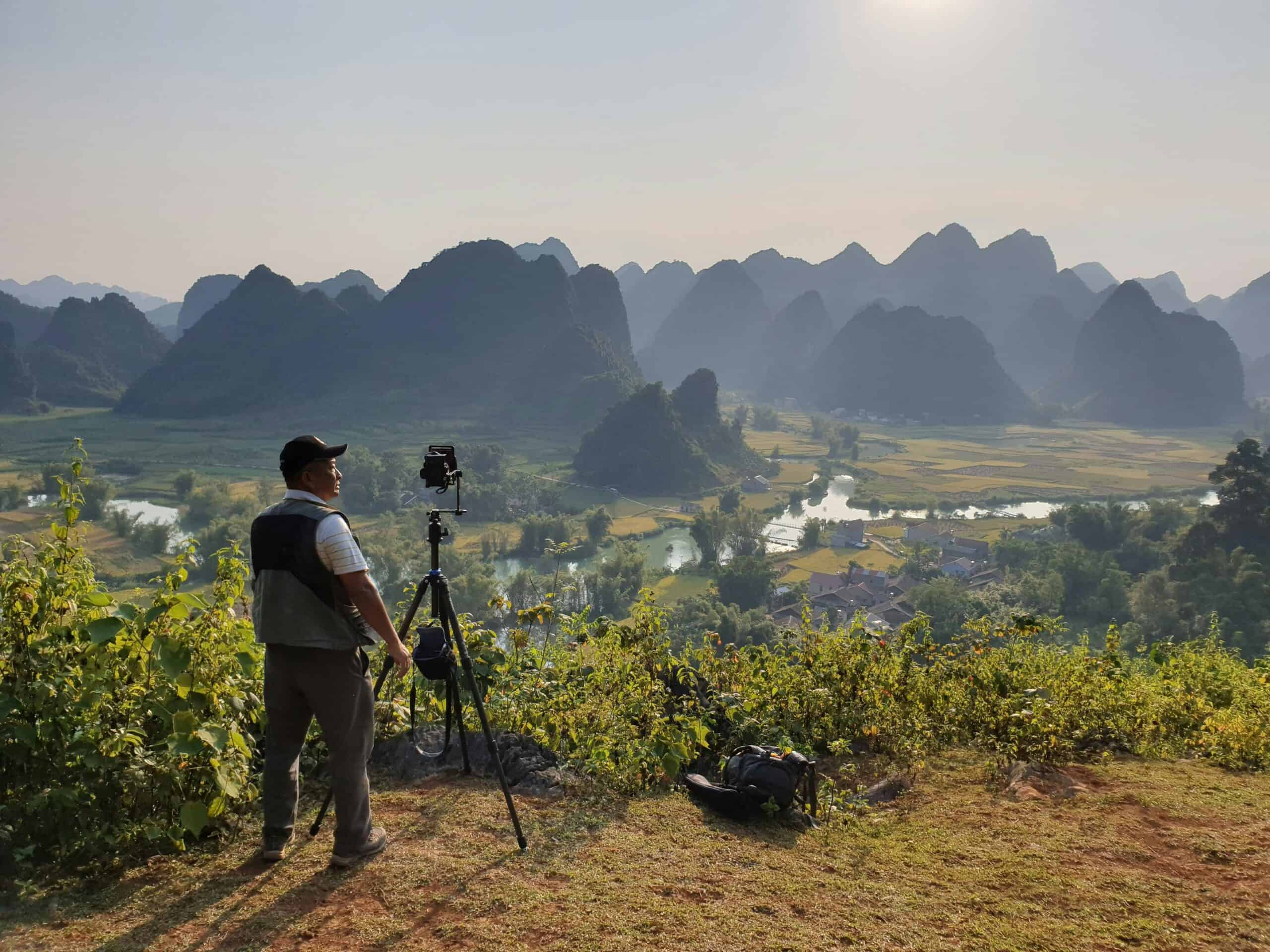
Safety, Limitations & Trustworthy Practice
- Lens/body compatibility matters. Do not force mismatched mounts; you risk damage.
- On rooftops or near edges, tether your gear and yourself. Prioritize crew safety over the shot.
- In traffic or public spaces, use an assistant and visible markers. Obtain permits where required.
- Backups: record two passes of critical views, store RAWs redundantly, and keep card copies separate until delivery.
For a structured, step-by-step approach to building professional 360s with a panoramic head, this guide is concise and reliable: Using a mirrorless/DSLR to shoot and stitch a 360 photo.