
Why This Camera & Lens Are Great for Panoramas
If you want to learn how to shoot panorama with Canon EOS R3 & Laowa 4mm f/2.8 Circular Fisheye, you’ve picked a powerful, ultra-wide combo that can deliver fast, clean 360 photos with very few shots. The Canon EOS R3 is a 24.1 MP full-frame mirrorless flagship with a stacked CMOS sensor and excellent low-light performance. Its 36 × 24 mm sensor, large ~6.0 µm pixel pitch, ~13.5–14 EV base ISO dynamic range, deep buffer, and in-body image stabilization (IBIS) make it a reliable body for both tripod and rapid handheld pano capture. The Laowa 4mm f/2.8 Circular Fisheye is a manual lens that projects a circular image with an extremely wide field of view (up to 210° depending on mount), allowing you to stitch full 360° spheres with as few as two or three frames.
Key advantages of this pairing include: minimal shot count per panorama (2–3 frames around), fast capture in dynamic scenes, and consistent edge-to-edge sharpness when stopped down to f/5.6–f/8. Because the Laowa is a circular fisheye, distortion is expected and actually beneficial for 360 work—stitchers like PTGui and Hugin handle fisheye projections extremely well. Do note mount compatibility: use the Canon RF version of the Laowa 4mm if available. EF-M versions cannot be adapted to RF. If you’re using an APS-C RF body, coverage is designed for a full circular image; on the EOS R3 full-frame, you’ll still get a circular image centered in the frame, which is exactly what we want for spherical panoramas.
Quick Setup Overview
- Camera: Canon EOS R3 — Full-frame (36 × 24 mm), 24.1 MP, stacked CMOS, ~6.0 µm pixel pitch, excellent AF and IBIS, ~14 EV DR at base ISO.
- Lens: Laowa 4mm f/2.8 Circular Fisheye — circular fisheye projection, extreme FOV (up to 210°), fully manual focus/aperture, best sharpness around f/5.6–f/8, minor CA easily corrected in post.
- Estimated shots & overlap:
- Speed run: 2 shots around at 180° yaw (tight overlap; needs perfect leveling and nodal alignment).
- Safe and robust: 3 shots around at 120° yaw (recommended); optional nadir cleanup.
- Overlap target: ~30% for the 3-shot method; at least ~15–20% for the 2-shot method.
- Difficulty: Easy–Moderate (fisheye minimizes shots, but nodal alignment and careful exposure balance still matter).
Planning & On-Site Preparation
Evaluate Shooting Environment
Scan for moving elements (people, cars, leaves), reflective surfaces (glass, polished floors), and light sources (sun, windows, mixed artificial lights). If shooting through glass, press the lens hood gently to the glass or keep it within a few centimeters to reduce reflections and ghosting; avoid direct light hitting the glass at steep angles. Watch for strong backlight with a fisheye—stray light can reduce contrast and introduce flare.
Match Gear to Scene Goals
The EOS R3’s robust DR and clean high-ISO performance let you expose conservatively in mixed light, then lift shadows when needed. Practical ISO ranges: ISO 100–200 for daylight, ISO 400–800 indoors on a tripod, and ISO 1600–3200 when handheld or in very low light (with noise reduction in post). The Laowa 4mm fisheye’s advantage is coverage—far fewer shots than a rectilinear lens, which speeds up shooting in crowds and reduces parallax risks. The tradeoff is the circular projection that requires careful stitching and thoughtful nadir cleanup; however, stitchers love fisheye geometry and generally produce fewer seams.
Pre-shoot Checklist
- Charge batteries and carry spares; format fast, reliable cards.
- Clean front element and sensor; fisheyes are unforgiving with dust.
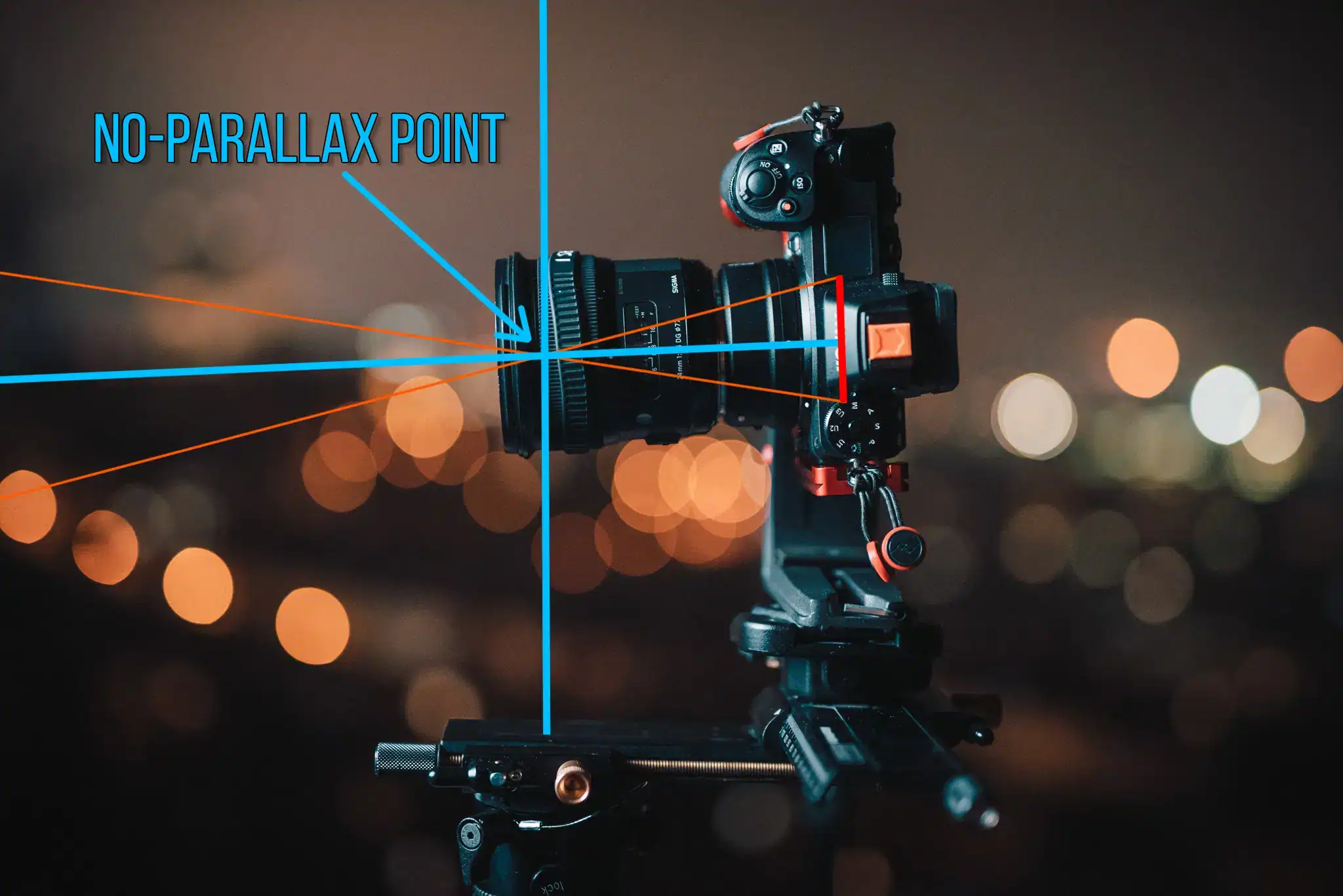
- Level your tripod; calibrate pano head for the no-parallax point (entrance pupil).
- Safety first: test rooftop anchors, wind conditions for poles, and tether your rig where required (especially over crowds or cars).
- Backup workflow: after your main pass, shoot a second pass with identical settings—small investment for big insurance.
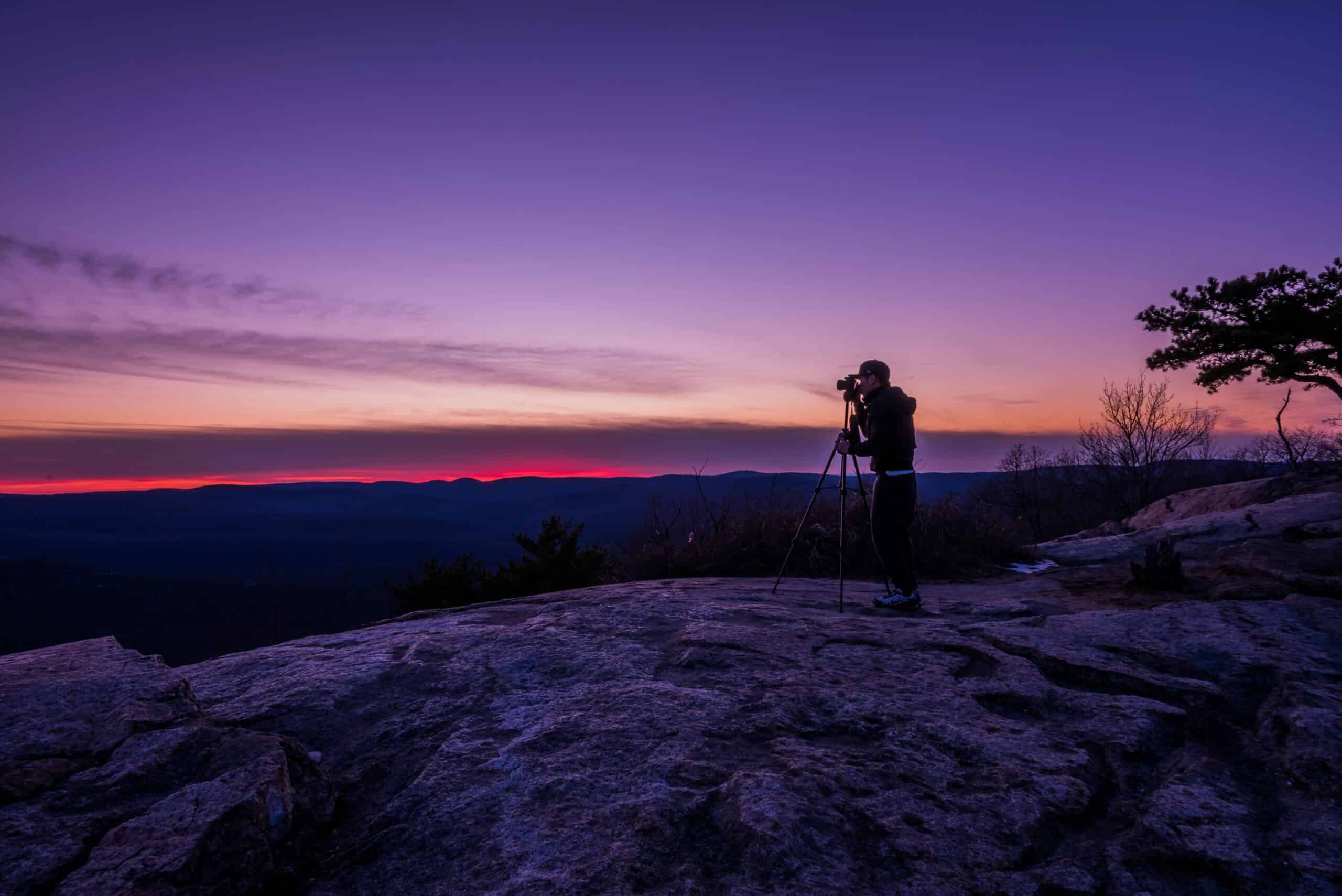
Essential Gear & Setup
Core Gear
- Panoramic head: A rotator with a sliding rail lets you align the lens’s entrance pupil to the rotation axis, eliminating parallax between near and far objects. This is non-negotiable for clean stitches in tight spaces.
- Stable tripod with leveling base: A bowl-leveling base or half-ball greatly speeds up setup and keeps horizons level.
- Remote trigger or app: Use Canon Camera Connect or a cabled release to avoid vibrations. Set a 2s timer if needed.
Optional Add-ons
- Pole or car mount: Only for experienced users. Use guy lines, tethers, and redundant straps; beware of wind gusts and vibration-induced blur.
- Lighting aids: Small LEDs or bounced flash for interiors—keep lighting consistent across frames to reduce color mismatch.
- Weather protection: Rain covers and microfiber cloths; fisheyes see everything, including raindrops on the front element.
Step-by-Step Shooting Guide
Standard Static Scenes
- Level and align: Level the tripod. On the pano head, slide the camera so the lens’s entrance pupil sits directly above the rotation axis. Verify by rotating and checking that near and far objects don’t shift relative to each other.
- Manual exposure and WB: Set M mode. Meter for highlights you want to retain, especially in windows or sky. Lock white balance to a preset (Daylight/Tungsten) or a custom Kelvin to avoid color shifts across frames.
- Capture sequence: For reliability, shoot 3 frames around at 120° yaw increments with ~30% overlap. If you’re pressed for time, try 2 frames at 180°—it can work with the Laowa 4mm but is less forgiving. Keep the horizon centered to maximize usable coverage.
- Nadir shot: If your pano head allows tilting, take a dedicated downward shot to cover the tripod area, or plan to patch the nadir in post with cloning or a logo patch.
HDR / High Dynamic Range Interiors
- Bracket ±2 EV (3–5 shots): Windows vs. interior shadows often exceed sensor DR. The R3 handles bracketing quickly; use AEB with 2 EV spacing.
- Lock WB and aperture: Keep aperture constant (e.g., f/8) so depth of field matches across brackets. Stitch after merging to HDR or use exposure fusion in PTGui.
Low-Light / Night Scenes
- Use a tripod and remote: Set shutter speeds 1/10–1/60 s as needed; keep ISO 100–400 for best quality. The R3 tolerates ISO 800–1600 if subjects move or wind shakes the rig.
- IBIS off on tripod: Disable stabilization to prevent micro-jitters. Consider EFCS or mechanical shutter to avoid LED flicker; full electronic shutter can band under certain artificial lights.
Crowded Events
- Two-pass strategy: First pass for full coverage; second pass to re-shoot frames when crowds create gaps. Mark your yaw positions to return precisely.
- Mask in post: Use control points wisely and blend moving people between passes for clean, ghost-free results.
Special Setups (Pole / Car / Drone)
- Secure and tether: Always use a safety line. Keep the camera balanced on the pole and avoid sudden rotations; the Laowa’s wide FOV exaggerates vibration blur.
- Manage wind and speed: Rotate slower and time exposures between gusts; for car rigs, shoot at low speeds on smooth surfaces and avoid heavy traffic or legal hazards.
Recommended Settings & Pro Tips
Exposure & Focus
| Scenario | Aperture | Shutter | ISO | Notes |
|---|---|---|---|---|
| Daylight outdoor | f/8–f/11 | 1/100–1/250 | 100–200 | Lock WB (Daylight); center horizon for even coverage |
| Low light/night | f/4–f/5.6 | 1/30–1/60 | 400–800 | Tripod + remote; consider mechanical shutter under LED lights |
| Interior HDR | f/8 | Bracket ±2 EV | 100–400 | Balance windows & lamps; merge to HDR then stitch |
| Action / moving subjects | f/5.6–f/8 | 1/200+ | 400–800 | Freeze motion; consider 2-shot method for speed |
Critical Tips
- Manual focus near hyperfocal: With a 4mm fisheye, hyperfocal at f/8 is only a few decimeters; focus slightly before infinity and leave it.
- Nodal calibration: Mark the sliding rail position for this combo. Re-check if you change quick-release plates or add filters.
- White balance lock: Mixed light sources can shift color dramatically. Use a fixed Kelvin (e.g., 5600 K daylight, 3200–4000 K tungsten/mixed).
- RAW over JPEG: The R3’s RAW files hold more DR and color depth, giving you leeway for HDR merges and noise reduction.
- Stabilization choices: Turn off IBIS on tripod. Handheld panos benefit from IBIS, but keep shutter speeds fast to avoid stitching blur.
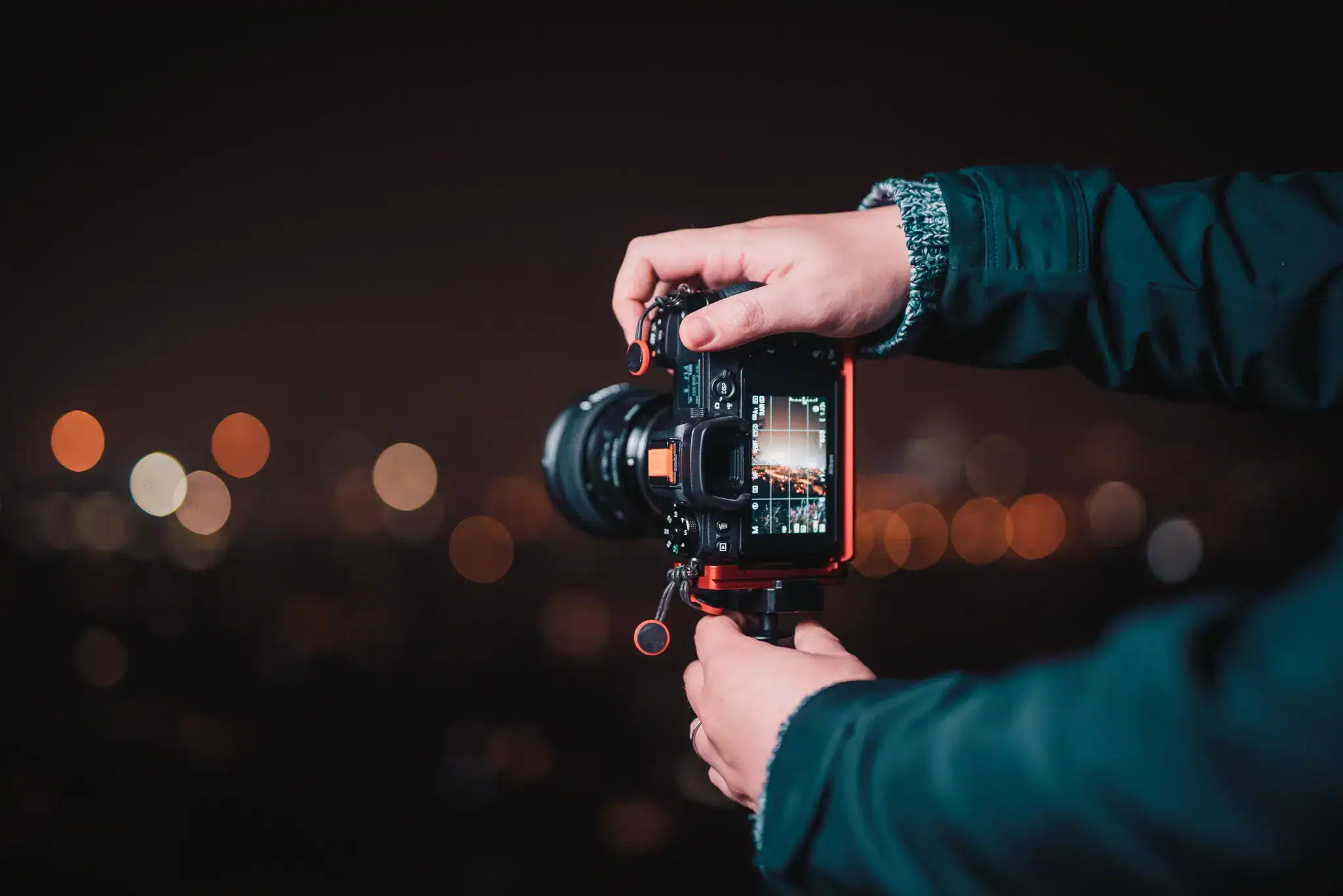
Stitching & Post-Processing
Software Workflow
Import RAWs into Lightroom or your RAW converter, perform basic corrections (lens CA, denoise if needed), and export 16-bit TIFFs. In PTGui or Hugin, set lens type to fisheye/circular fisheye and add control points across overlapping areas. Circular fisheye panoramas generally stitch faster and more reliably, needing fewer images. Aim for ~25–30% overlap with fisheyes; rectilinear lenses often need 20–25% with more frames. PTGui’s template approach for this lens makes batch work efficient, especially for real estate or tours. For an in-depth look at PTGui’s strengths, see this review. PTGui: best tool for creating incredible panoramas.
Cleanup & Enhancement
- Nadir patch: Use PTGui’s Viewpoint correction or export to Photoshop and clone the tripod. AI-based content-aware fill works well on uniform floors.
- Color and noise: Equalize color temperature across frames; apply noise reduction selectively to shadows from HDR merges.
- Leveling: Use the horizon tool to correct yaw/pitch/roll. A level horizon is essential for VR viewing comfort.
- Export: Save an equirectangular at 8K–12K width as JPEG (quality 9–11) or 16-bit TIFF for archival. This resolution is typical for a 3-shot 24MP circular fisheye set on the R3.
If you are new to panorama gear setup, this panoramic head tutorial is a concise primer. Panoramic head setup guide.
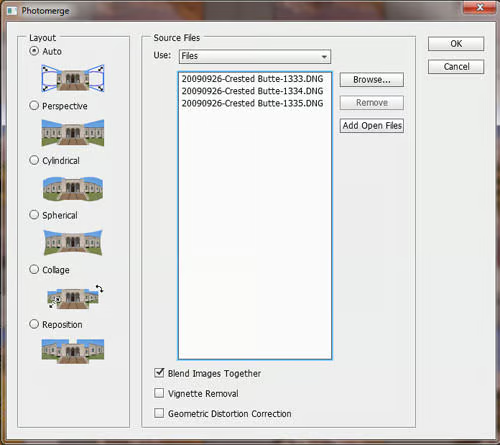
Video primer on panorama shooting fundamentals, useful before you create templates for the Laowa 4mm workflow.
For platform-specific export and VR publishing best practices, Oculus provides a practical overview for DSLR/mirrorless 360 photos. Using a DSLR or mirrorless camera to shoot and stitch a 360 photo.
Useful Tools & Resources
Software
- PTGui (templates, exposure fusion, viewpoint correction)
- Hugin (open-source alternative with fisheye support)
- Lightroom / Photoshop (RAW prep, nadir patch, color management)
- AI tripod removal and retouching tools (Content-Aware Fill, generative fill)
Hardware
- Panoramic heads: Nodal Ninja, Leofoto, Fanotec rotators
- Carbon fiber tripods with leveling bases
- Wireless remote shutters or Canon Camera Connect
- Pole extensions and car mounts (with tethers and safety cords)
Disclaimer: brand names are for reference; verify compatibility and specs on official sites. For a DSLR/virtual tour lens guide with fisheye examples, see this overview. DSLR virtual tour camera & lens guide.
Common Mistakes & How to Avoid Them
- Parallax error: The #1 culprit is a misaligned entrance pupil. Calibrate your rail and mark it.
- Exposure flicker: Don’t use auto exposure or auto white balance; lock both before shooting.
- Tripod shadows or feet in frame: Plan a nadir patch or rotate your legs out of the sun line.
- Ghosting from movement: Shoot two passes and mask in post; use faster shutters in crowds.
- Night noise and banding: Keep ISO modest and consider mechanical shutter under LED lighting to avoid flicker bands.
Field-Proven Scenarios
Indoor Real Estate
Use a leveled tripod in the room center, f/8, ISO 100–200, and bracket ±2 EV. Shoot a 3-shot circle at 120° for robust overlap and take a dedicated nadir frame. Merge HDRs before stitching to keep whites crisp and colors consistent.
Outdoor Sunset
Meter 1–1.5 stops below the brightest sky area to preserve color, shoot RAW at ISO 100–200, and do a 3-shot set. The R3’s DR can recover shadows cleanly; perform a gentle lift rather than aggressive HDR to keep gradients smooth.
Event Crowds
Choose the 2-shot method for speed if you have excellent nodal alignment and a solid rotator. Use 1/200 s or faster at ISO 400–800. Shoot a second pass when gaps open to minimize masking later.
Rooftop or Pole Shooting
Use a lightweight carbon tripod or a sturdy pole with tether lines. Let vibrations settle between rotations. Consider 3 shots at 120° for added stitch redundancy—wind can reduce effective overlap on a pole.
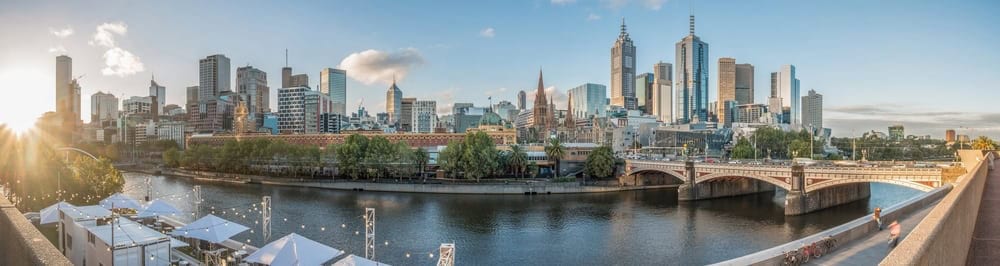
Car-Mounted Capture
Only on closed roads or permitted areas. Use short exposures (1/500+), high shutter priority, and the 2-shot method if safe. Expect more stitching cleanup due to changing perspectives; shoot extra coverage at each yaw stop.
Advanced Technical Notes
Resolution expectations: Circular fisheye panoramas on a 24 MP full-frame typically yield equirectangular outputs around 8K–12K width when using 3 frames around, depending on overlap and your stitcher’s interpolation. More frames can increase effective resolution but defeat the speed advantage of the 4mm fisheye. For a deeper dive on spherical resolution math, the Panotools wiki is a solid reference. DSLR spherical resolution explained.
Entrance pupil guidance: With the Laowa 4mm, the entrance pupil sits near the front element due to the extreme fisheye geometry. Start your rail test with the rotation axis aligned roughly a few centimeters behind the lens’s frontmost glass, then refine using the parallax test with a near pole (0.5–1 m) and a far edge (>10 m). Save the exact rail mark for repeatability.
Frequently Asked Questions
- Can I shoot handheld panoramas with the Canon EOS R3?
Yes, in good light. Use 1/200 s or faster, ISO 400–800, and the 2-shot method to minimize drift. Handheld works best outdoors with distant subjects. For interiors or tight spaces, a tripod and pano head are strongly recommended.
- Is the Laowa 4mm f/2.8 wide enough for single-row 360°?
Absolutely. It’s a circular fisheye with ~210° FOV, so 2–3 shots around can complete a full sphere. Three around at 120° is the safer, more forgiving approach; two around at 180° can work with pristine leveling and nodal alignment.
- Do I need HDR for interiors with bright windows?
Often yes. Bracket ±2 EV (3–5 frames) to capture window highlights and interior shadows. Merge HDRs per yaw angle before stitching or use exposure fusion in PTGui for seamless results.
- How do I avoid parallax issues with this setup?
Calibrate the entrance pupil on a pano head’s sliding rail. Align with a near object and a far background; rotate the camera and minimize relative movement. Mark the rail position for the Laowa 4mm so you can repeat it every shoot.
- What ISO range is safe on the EOS R3 for low light?
On a tripod, keep ISO 100–400 and lengthen shutter. Handheld or in windy conditions, ISO 800–1600 is reasonable with the R3’s noise performance; apply tasteful noise reduction in post.
Safety, Limitations & Trustworthy Practices
Mount compatibility check: Ensure your Laowa 4mm is the RF version. EF-M versions do not adapt to RF mount. Always verify clearance and secure mounting before lifting the camera on a pole or vehicle rig.
Weather and environment: Fisheyes are exposed and sensitive to smudges, rain, and dust. Carry a blower and microfiber cloth. In coastal or dusty areas, clean frequently and avoid pointing directly into intense light sources to reduce flare.
Workflow resilience: Shoot a full second pass with identical settings. Keep redundant cards and back up as soon as you’re back at your workstation. Templates in PTGui/Hugin speed up batch consistency and reduce human error.
Further training: If you need a structured walkthrough on setting up a panoramic head for high-end 360 photos, this step-by-step is particularly helpful. Set up a panoramic head for perfect high-end 360 photos.