Why This Camera & Lens Are Great for Panoramas
The Sony A7 IV paired with the Sigma 8mm f/3.5 EX DG Circular Fisheye is a proven combo for high‑quality 360° panoramas with minimal shots. The A7 IV’s 33MP full‑frame Exmor R sensor (approx. 35.9 × 23.9 mm) delivers excellent dynamic range (~14 stops at base ISO), dependable color, and flexible RAW files. It has robust battery life, two card slots (CFexpress Type A/SD UHS‑II), and 5‑axis IBIS for handheld and pole work. For tripod panoramas, you’ll typically switch stabilization off to avoid micro‑shake.
The Sigma 8mm f/3.5 EX DG Circular Fisheye is a 180° circular fisheye on full frame—perfect for covering the full sphere with very few frames. That means faster captures, fewer stitching seams, and less chance for moving subjects to cause ghosting. While a circular fisheye introduces heavy geometric distortion by design, stitching software expects this and handles it well. Chromatic aberration and edge softness are manageable when you stop down to f/5.6–f/8. Mount compatibility is straightforward using an EF–E adapter (e.g., Sigma MC‑11 for the Canon EF version), and focusing is best kept manual for consistency across frames.
In short: If you want a fast, reliable way to shoot clean 360° panoramas even in complex interiors, this setup is hard to beat.
Quick Setup Overview
- Camera: Sony A7 IV — Full frame, 33MP BSI sensor; excellent DR and color; dual card slots; 5‑axis IBIS.
- Lens: Sigma 8mm f/3.5 EX DG Circular Fisheye — Circular fisheye, 180° FOV; best at f/5.6–f/8; some CA at edges but predictable and correctable.
- Estimated shots & overlap:
- Fast outdoor capture: 3 shots around at 120° + 1 nadir (tilt the camera up ~5–10° to help cover zenith).
- Interior/critical detail: 4 around at 90° + 1 nadir for safer overlap (25–30% recommended for fisheye).
- HDR sets: bracket each position ±2 EV (3–5 frames per position) for bright windows.
- Difficulty: Easy to Intermediate — fast capture, but requires nodal alignment and careful exposure management.
Tip: With 33MP and a circular fisheye, a full 3-shot+N panorama easily meets typical web/VR virtual tour resolution needs. For theoretical resolution/coverage math with fisheyes, see the PanoTools spherical resolution guide at the end of this section. Reference: DSLR spherical resolution
Planning & On-Site Preparation
Evaluate Shooting Environment
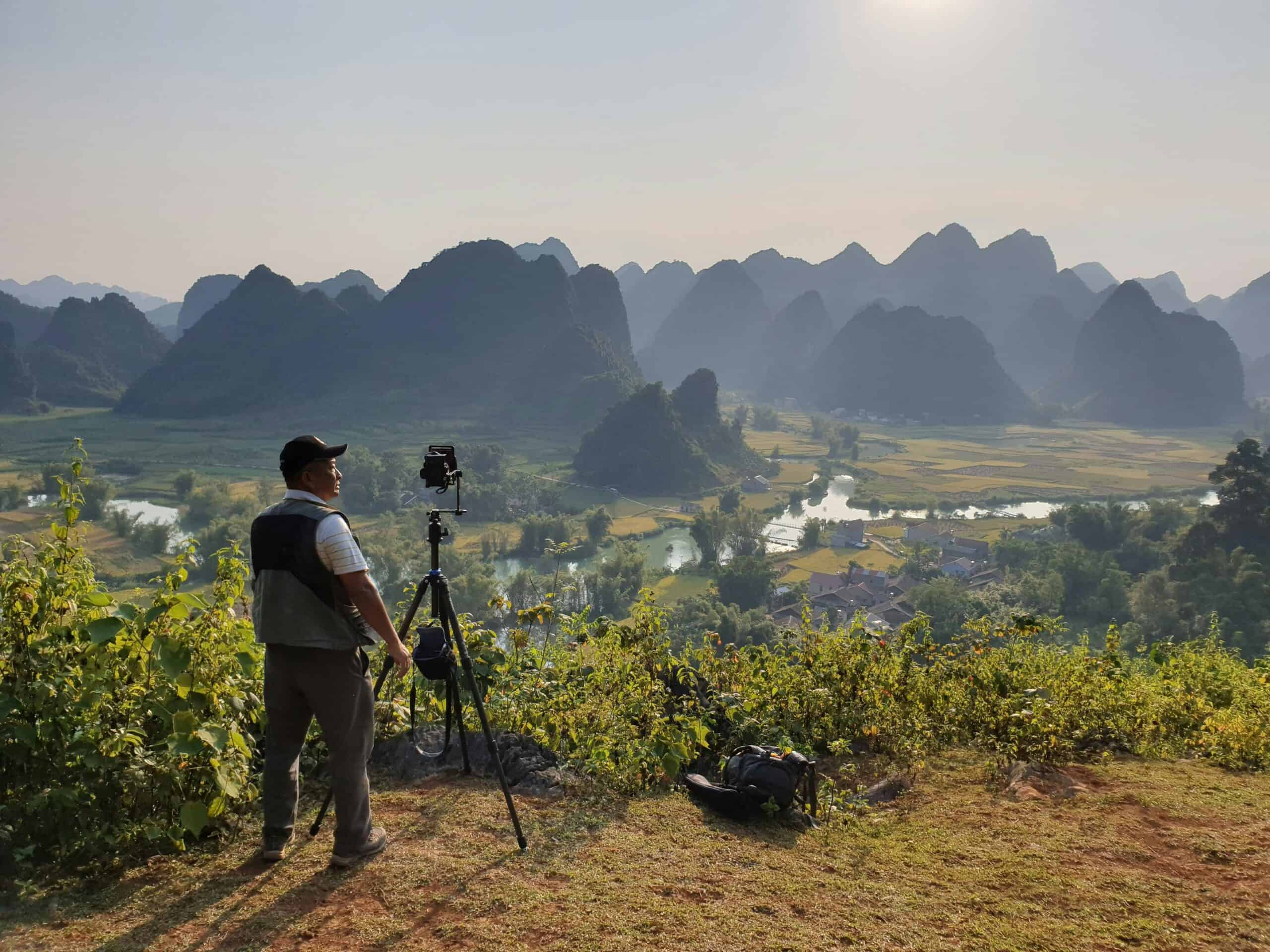
Walk the scene. Look for moving elements (people, cars, trees in wind), reflective surfaces (glass, mirrors, polished floors), and bright light sources (windows, sun). For glass, shoot perpendicular and keep the lens a small distance from the pane to reduce reflections and flare. Avoid the sun directly in the frame if possible with a circular fisheye; minor angle changes can reduce flare significantly.
Match Gear to Scene Goals
The A7 IV provides flexible ISO performance and strong dynamic range—great for mixed lighting and backlit interiors. Safe ISO ranges for clean results are ISO 100–800 on a tripod; ISO 1600 is still good, and ISO 3200 is usable with noise reduction for night scenes. The Sigma 8mm’s circular coverage minimizes the number of shots, making it ideal for fast capture in crowds or at events. The tradeoff is the circular image requires careful masking of the tripod/nadir and can catch flare more easily—so plan your angles.
Pre-shoot Checklist
- Power and storage: fully charged batteries, dual cards set to backup or overflow.
- Clean optics: front element and sensor; fisheyes amplify flare and dust spots.
- Tripod leveling: a leveling base speeds up rotation; verify pano head calibration.
- Safety checks: mind wind on rooftops; tether pole rigs; for car mounts, use redundant straps.
- Backup workflow: shoot an extra round in tricky spots; re‑shoot any frame with moving subjects.
Essential Gear & Setup
Core Gear
- Panoramic head: lets you rotate around the lens’s no‑parallax point (entrance pupil) to prevent foreground/background shift. Calibrate once, then mark the rails for speed.
- Stable tripod with leveling base: a leveled yaw axis keeps your horizon straight and stitching cleaner.
- Remote trigger or Imaging Edge Mobile app: fire without touching the camera to avoid blur.
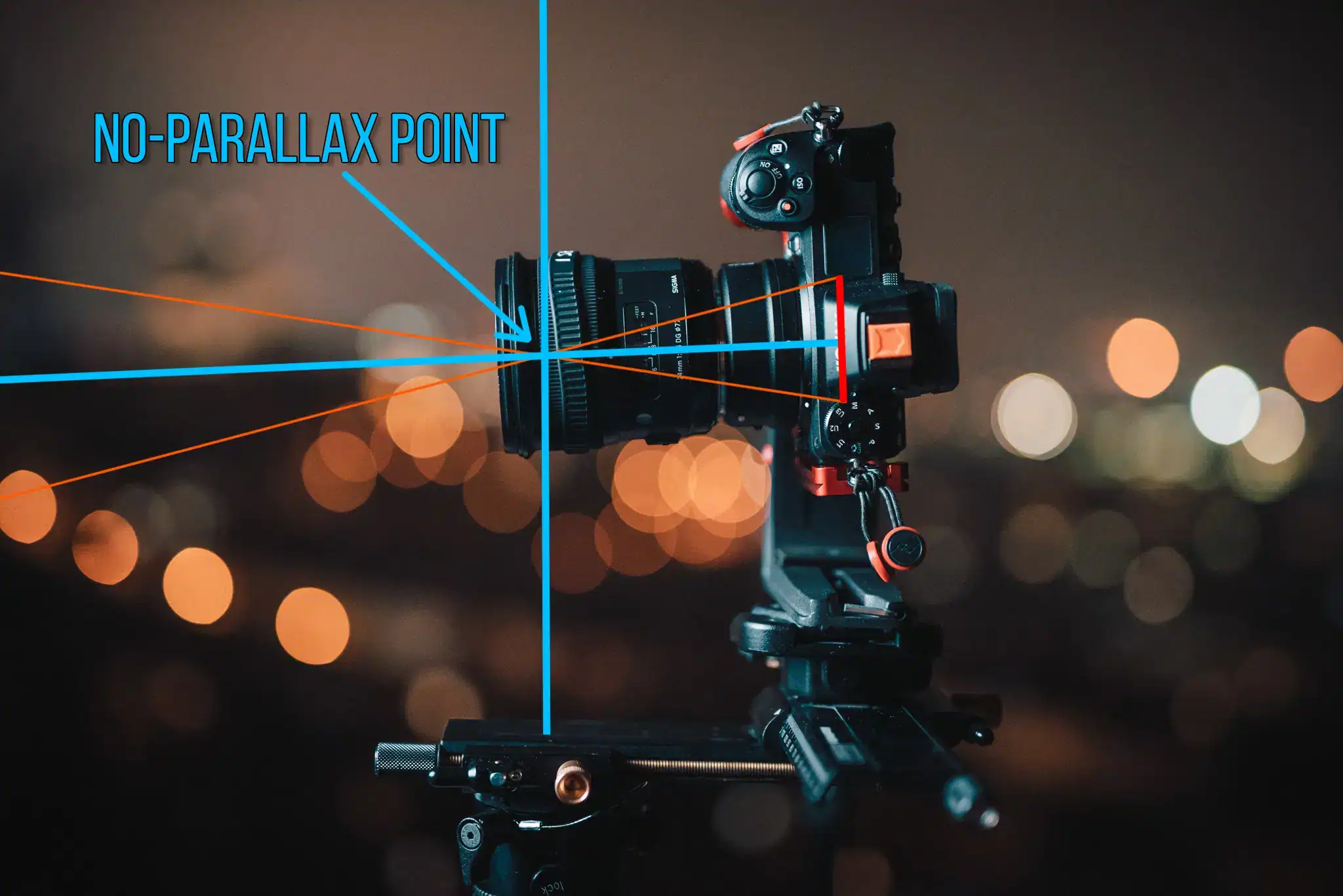
To find the no‑parallax point with the Sigma 8mm, place a near object and a far object in line. Rotate the camera a few degrees. Adjust the fore‑aft position on the pano head’s upper rail until the relative position of near and far objects no longer shifts. With this lens, the entrance pupil sits close to the front group; expect your rail mark to be forward compared to rectilinear lenses. For a full walkthrough of panoramic head setup, see this practical tutorial. Panoramic head setup guide
Optional Add-ons
- Pole or car mount: always use safety tethers. Wind load on a circular fisheye can be significant—keep exposures short and rotation deliberate.
- Lighting aids: small LED panels for dim interiors; keep lighting consistent across frames.
- Weather protection: rain covers and microfiber cloths. One raindrop on a fisheye equals minutes of retouching.
Step-by-Step Shooting Guide
Standard Static Scenes
- Level tripod and lock the leveling base. Confirm your pano head’s yaw and pitch scales are zeroed and rails set to your marked Sigma 8mm position.
- Set manual exposure. Meter the midtones, then lock shutter, aperture, and ISO. Lock white balance to a Kelvin value (e.g., 5600K daylight) to prevent color shifts across frames.
- Focus manually. With 8mm, depth of field is huge. At f/8, setting focus slightly before infinity yields front‑to‑back sharpness. Use focus magnification to confirm.
- Capture the round. For speed: 3 around at 120° yaw; tilt up ~5–10° to ensure top coverage. For safer overlap: 4 around at 90° yaw. Make sure at least 25–30% overlap between frames.
- Shoot the nadir (ground). Either boom the camera off‑center, or shoot a separate handheld nadir at the same entrance pupil height for clean tripod removal later.
HDR / High Dynamic Range Interiors
- Bracket ±2 EV (3 to 5 frames). With bright windows, 5 or 7 frames can help retain highlight detail while keeping interior noise low.
- Keep WB locked. Avoid Auto WB across brackets—it can shift hue between frames and complicate merging/stitching.
- Use the A7 IV’s self‑timer or remote to shoot hands‑free through bracketing sequences.
Low-Light / Night Scenes
- Use a tripod and disable IBIS to prevent micro‑vibrations. Start at f/4–f/5.6, ISO 200–800, and lengthen shutter as needed.
- A7 IV ISO guidance: 100–800 is pristine; 1600 is still clean; 3200 acceptable with noise reduction; beyond that, prefer HDR instead of pushing ISO.
- Watch for light sources in the fisheye. A slight yaw/pitch change can avoid direct bulb flare.
Crowded Events
- Shoot two passes. First pass fast for coverage; second pass wait for gaps or better subject positions.
- Mask in post. Use the cleanest people positions from each frame to reduce ghosting.
- Prefer 4 around at 90° for more stitching options in busy scenes.
Special Setups (Pole / Car / Drone)
- Pole: use a light carbon pole and a compact rotator; keep shutter speeds fast (1/125–1/250) to counter sway. Always tether and avoid crowds.
- Car: mount low for stability; avoid highway speeds; pre‑focus and shoot quick bursts at stops. Expect to mask moving objects.
- Drone: most drones won’t carry this combo—use native drone panoramas instead.
Recommended Settings & Pro Tips
Exposure & Focus
| Scenario | Aperture | Shutter | ISO | Notes |
|---|---|---|---|---|
| Daylight outdoor | f/8–f/11 | 1/100–1/250 | 100–200 | Lock WB (daylight/5600K); watch sun placement |
| Low light/night | f/4–f/5.6 | 1/30–1/60 (tripod) | 200–800 | IBIS off on tripod; remote trigger |
| Interior HDR | f/8 | Bracket ±2 EV | 100–400 | Expose for midtones; extend bracket for bright windows |
| Action / moving subjects | f/5.6–f/8 | 1/200+ | 400–800 | Freeze motion; shoot two passes for masking |
Critical Tips
- Manual focus at near‑infinity. With 8mm at f/8, depth of field extends from very close to infinity—avoid AF hunting between frames.
- Nodal calibration: mark your fore‑aft rail position for the Sigma 8mm once you’re satisfied; bring a small ruler to repeat exact spacing.
- White balance lock: set Kelvin or a preset; don’t use Auto WB for panoramas.
- Shoot RAW: maximize DR for HDR merge and color consistency; 14‑bit RAW on A7 IV is excellent for gradients.
- IBIS off on tripod: prevents micro‑jitters in long exposures and across bracketed frames.
Stitching & Post-Processing
Software Workflow
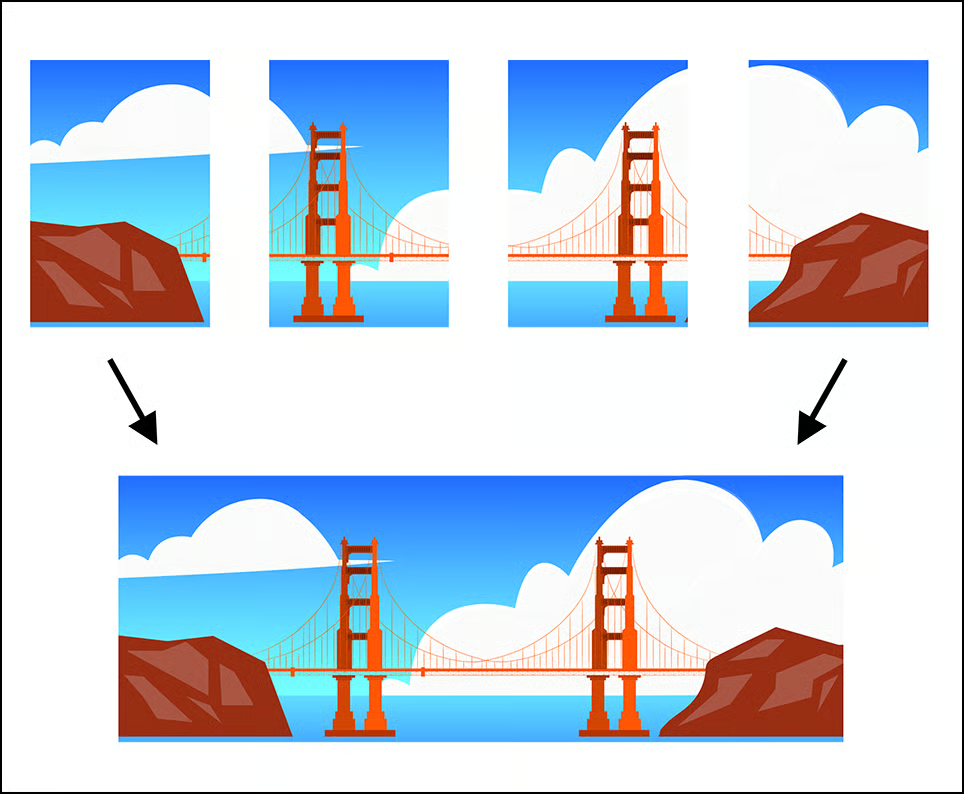
Import and, if HDR, first merge brackets per angle (PTGui Pro can do this automatically; or pre‑merge in Lightroom). In PTGui or Hugin, set lens type to Circular Fisheye with 180° FOV. Make sure the circular crop is correctly detected; add control points across overlapping frames—edges and high‑contrast details help. For best results with 3‑around captures, pitch alignment and level horizons are critical. PTGui is widely favored for speed and control point robustness. PTGui review and workflow insights
Industry overlap guidance: 25–30% for fisheye frames; 20–25% for rectilinear. With a circular fisheye, fewer frames mean fewer seams but also less redundancy—ensure clean, consistent exposure and WB across frames. For publishing to VR players, export 2:1 equirectangular JPEG (8–12K wide for web tours) or 16‑bit TIFF for archival.
Cleanup & Enhancement
- Tripod/nadir patch: use a handheld nadir tile and PTGui Viewpoint Correction or clone/AI tools to clean the floor.
- Chromatic aberration: correct before stitching (Lens Corrections) or after (localized CA fix on seam areas).
- Noise reduction: apply selectively to shadows; keep detail in mid/high frequencies.
- Leveling: use horizon/verticals to set roll/pitch/yaw; A7 IV gyro metadata can help if present but don’t rely on it.
- Export: equirectangular JPEG for web; keep EXIF and XMP where possible for VR platforms.
If you plan to publish to VR platforms, review their current file size and metadata recommendations. Using a DSLR/mirrorless to shoot and stitch a 360 photo
Recommended Video
Visual learner? This walkthrough reinforces panoramic head setup and capture logic in practice.
Useful Tools & Resources
Software
- PTGui panorama stitching
- Hugin (open source)
- Lightroom / Photoshop
- AI tripod removal tools (Content‑Aware Fill, Generative Fill)
Hardware
- Panoramic heads (Nodal Ninja, Leofoto, Sunwayfoto)
- Carbon fiber tripods and leveling bases
- Wireless remote shutters
- Pole extensions / car mounts with safety tethers
Disclaimer: software/hardware names provided for search reference; check official sites for compatibility and latest features.
Field Notes & Case Studies
Indoor Real Estate
Use 4 around at 90° + nadir for safer overlap on patterned floors and detailed ceilings. Bracket ±2 EV (or ±3 EV if windows are extremely bright). Set WB to a consistent Kelvin to avoid mixed lighting shifts (e.g., 4000–4500K for warm LEDs). Keep ISO 100–400 on tripod.
Outdoor Sunset
Shoot 3 around + nadir quickly as sky color changes. Bracket 3–5 frames to preserve highlight color near the sun. Tilt the camera up ~10° in each frame to protect the zenith from gaps; the Sigma 8mm’s circular coverage helps reduce banding across the gradient when stitched.
Event Crowds
Favor 4 around at 90° for extra seam choices. Shoot two passes; in post, mask to keep people intact. Use 1/200 or faster to reduce subject blur. If you must use a monopod, keep the camera directly over the pivot point and rotate your body rather than the pole.
Rooftop or Pole Shooting
Wind is the enemy. Shorten exposure (1/125–1/250), raise ISO as needed (up to 1600 on A7 IV is reasonable), and take multiple rounds. Tether gear—never risk a drop. If motion blur appears, reshoot that angle immediately.
Safety, Handling, and Reliability Tips
- Turn off IBIS on tripod; use a sturdy head clamp and double‑check quick‑release locks.
- Shield the fisheye from direct sun when not shooting—front elements get hot and flare easily.
- Back up on site: second card set to backup or copy to a portable SSD between locations.
- Check your rails and screws after transport; a small shift can reintroduce parallax.
- Keep a small microfiber cloth accessible; one fingerprint on a fisheye shows up everywhere.
Behind-the-Scenes Visuals
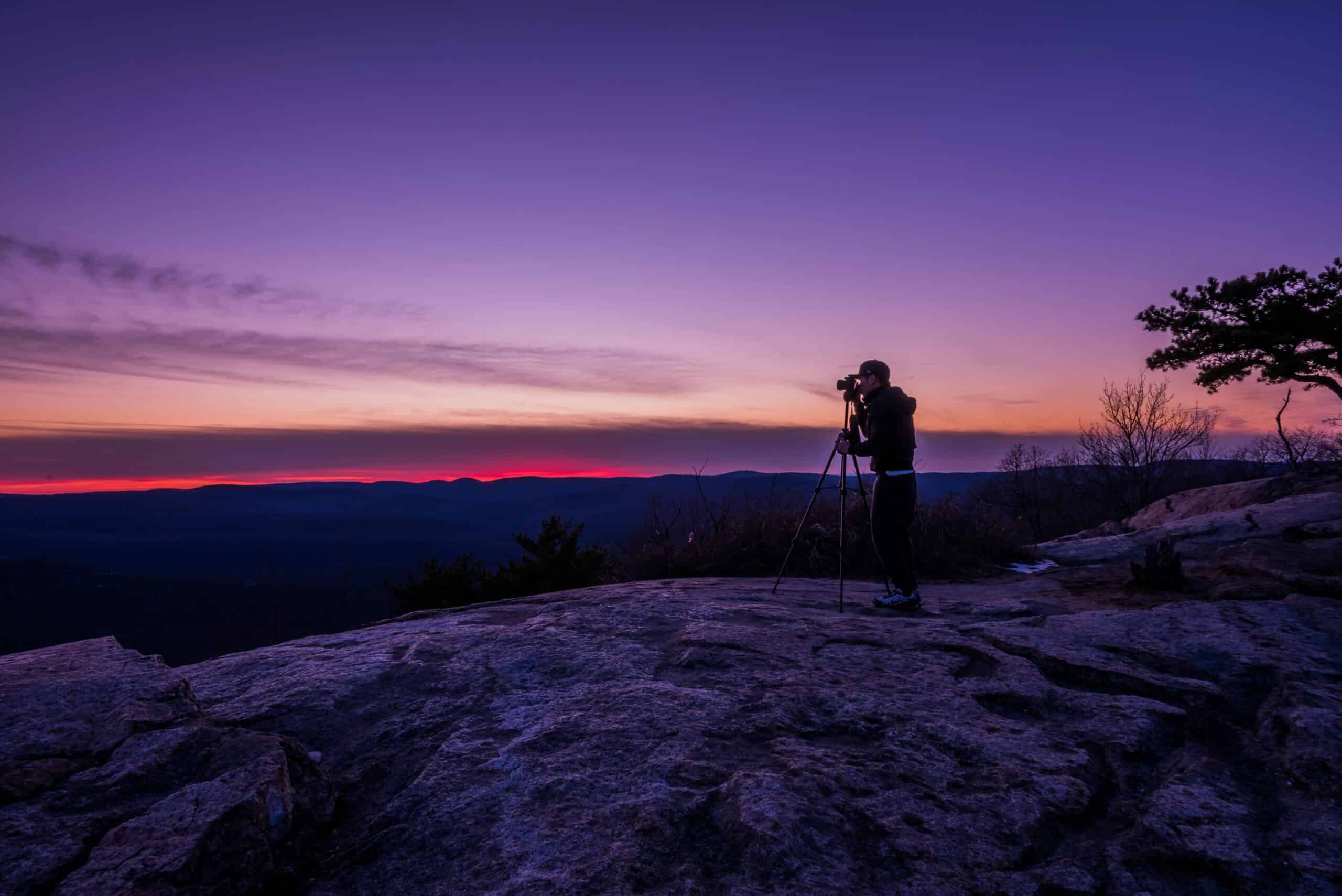
Here’s what a stitched panorama workflow looks like in practice and what a no‑parallax calibration aims to solve. These visuals help connect the steps described above with real‑world scenarios.
Common Mistakes & How to Avoid Them
- Parallax error → Always rotate around the no‑parallax point; verify with a quick near/far alignment test.
- Exposure flicker → Manual mode and locked WB; avoid Auto ISO/WB for stitched sets.
- Tripod shadows or legs → Shoot a separate nadir tile; patch with Viewpoint Correction or cloning.
- Ghosting from movement → Take a second pass and mask the cleanest subject positions.
- Night noise → Prefer lower ISO and longer shutter on tripod; use HDR instead of pushing ISO too high.
For a broader perspective on camera/lens choices and pano technique, this explainer offers solid context. Virtual tour camera & lens guidance
Frequently Asked Questions
- Can I shoot handheld panoramas with the Sony A7 IV?
Yes, but expect more stitching cleanup. Keep shutter fast (1/200+), use 4 around at 90° for overlap, and rotate your body around the camera as smoothly as possible. For best results—especially indoors—use a panoramic head and tripod.
- Is the Sigma 8mm f/3.5 Circular Fisheye wide enough for single‑row 360?
Absolutely. With careful tilt (5–10° up), 3 around + 1 nadir can cover a full sphere. For interiors or critical detail, 4 around + nadir gives more overlap and cleaner seams.
- Do I need HDR for interiors with bright windows?
Often yes. Bracket ±2 EV (3–5 frames) so you can retain window detail without crushing shadows. The A7 IV’s DR is excellent, but HDR keeps noise lower and color more consistent.
- How do I avoid parallax issues with this combo?
Calibrate the no‑parallax point on your pano head: align near/far objects and adjust the upper rail until they don’t shift while rotating. Mark the rail position for the Sigma 8mm and use it consistently.
- What ISO range is safe on the A7 IV for low light?
ISO 100–800 is very clean; ISO 1600 remains strong; ISO 3200 is usable with noise reduction. Prefer tripod and HDR rather than pushing ISO higher when possible.
- Can I set up Custom Modes (MR on A7 IV) for pano?
Yes. Save a panorama preset with Manual exposure, fixed WB, single‑shot, IBIS off, and your preferred aperture/ISO. It speeds up setup when moving between locations.
- How do I reduce flare when using a circular fisheye?
Avoid pointing directly at strong light sources, shade the lens between shots, and slightly adjust yaw/pitch to move the hotspot out of the frame. Clean the front element meticulously.
- What’s the best tripod head for this setup?
A compact panoramic head with fore‑aft rail adjustment and click‑stops at 90°/120° is ideal (e.g., Nodal Ninja or Leofoto). Ensure it supports the camera’s weight and allows precise alignment.