Why This Camera & Lens Are Great for Panoramas
If you’re wondering how to shoot panorama with Sony A7 IV & AstrHori 12mm f/2.8 Fisheye, you’ve picked a combo that balances speed, quality, and efficiency. The Sony A7 IV uses a 33MP full-frame Exmor R (BSI) sensor measuring 35.6 × 23.8 mm, with an approximate pixel pitch of ~5.1 µm and around 14 stops of dynamic range at base ISO. That means clean shadows, manageable highlights, and excellent color depth—perfect for 360 photos and HDR panoramas. The A7 IV’s 5-axis IBIS, focus peaking, and magnified manual focus assist make it particularly friendly for manual lenses.
The AstrHori 12mm f/2.8 is a diagonal fisheye designed for full-frame E-mount. As a fisheye, it delivers a huge field of view (diagonal ~180°) so you need fewer frames to cover a full sphere—typically 6 shots around plus zenith and nadir. Stopped down to f/5.6–f/8, the lens becomes sharp across the frame with reasonably controlled lateral CA. Distortion is the nature of fisheye optics, but for spherical stitching this is an advantage: modern software recognizes fisheye projections and stitches them reliably.
Combined, the A7 IV and AstrHori 12mm give you a robust 360° workflow: fewer shots, fast capture in changing light, and clean files that stitch well for virtual tours, real estate, and landscapes.
Quick Setup Overview
- Camera: Sony A7 IV — Full-frame (35.6 × 23.8 mm), 33MP BSI sensor, ~14 EV DR at ISO 100, 5-axis IBIS (disable on tripod).
- Lens: AstrHori 12mm f/2.8 Fisheye — diagonal fisheye on full-frame, manual focus/aperture, best sharpness at f/5.6–f/8, moderate CA wide open, low flare resistance when the sun is near frame edge.
- Estimated shots & overlap (field-tested):
- Single row: 6 around at 60° yaw increments, ~30–35% overlap.
- Add 1 zenith (+60° to +75° pitch) + 1 nadir (−60° to −75° pitch) for clean tripod removal.
- Backup in complex interiors: 7–8 around for extra overlap.
- Difficulty: Easy to Intermediate (manual focus and nodal alignment required).
Planning & On-Site Preparation
Evaluate Shooting Environment
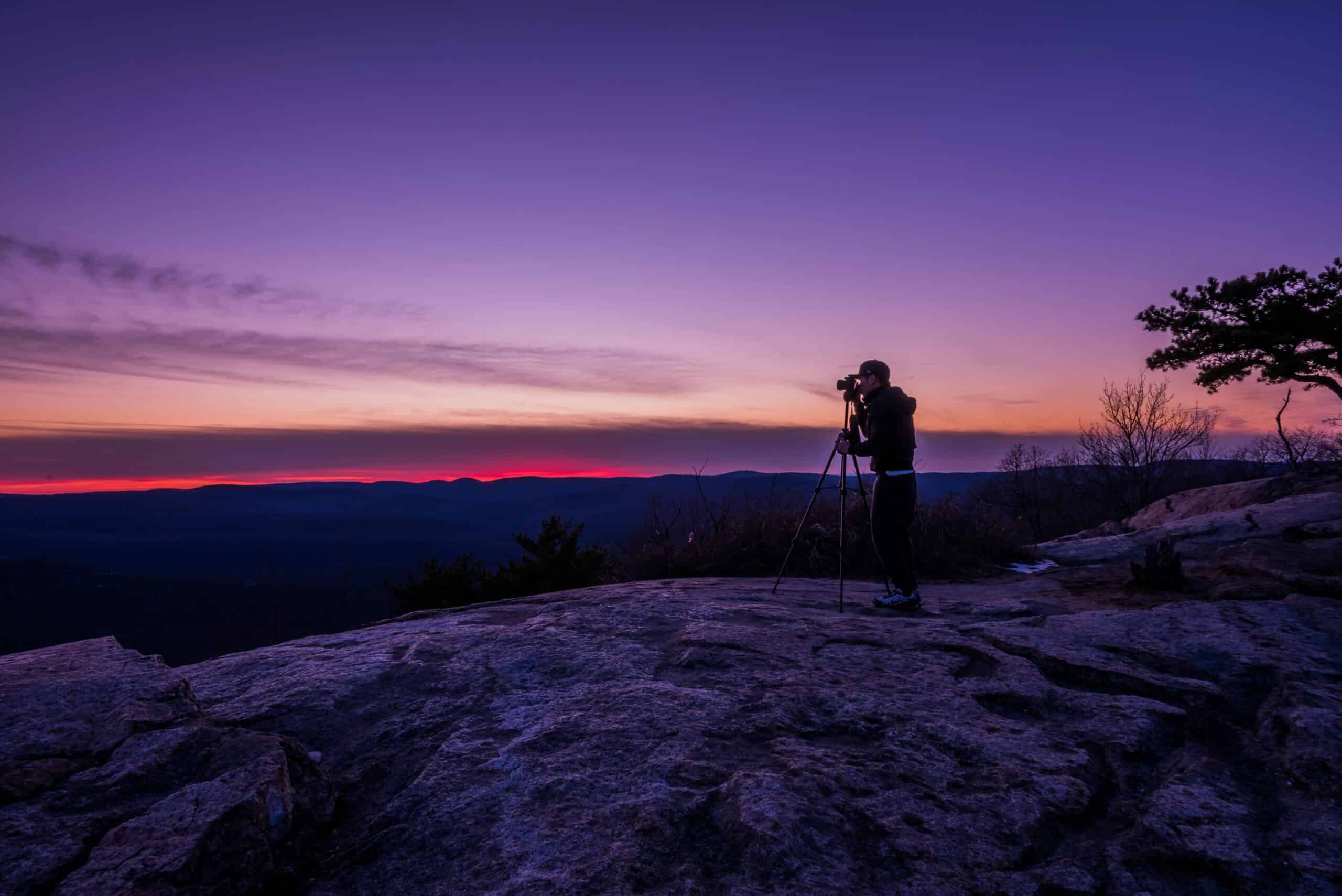
Scan the scene for bright windows, reflective glass, mirrors, moving crowds, and overhead lights that can cause flare. If shooting through glass, place the front element as close as safely possible (1–3 cm) to reduce reflections; use a black cloth or rubber lens hood as a flag. Outdoors, check the sun’s position—fisheyes are prone to flare when a bright source is just outside the frame. Also assess wind or vibration risks on rooftops and poles.
Match Gear to Scene Goals
The A7 IV’s dynamic range helps keep skies and shadows workable in a single exposure; in interiors with bright windows, HDR bracketing is more reliable. Practical ISO guidance: stick to ISO 100–400 for daylight, 400–800 indoors, and 800–1600 at night if you must keep shutter speed up. The AstrHori 12mm fisheye dramatically reduces the number of frames, speeding up capture where people are moving or light is changing. That said, fisheye edges can be more flare-prone; use your body or a flag to shade the lens when needed.
Pre-shoot Checklist
- Charge batteries, format cards; bring a spare battery and memory card.
- Clean the front element—smudges are obvious with fisheyes; use a blower for dust.
- Level your tripod; if possible, use a leveling base for faster setup.
- Calibrate your panoramic head’s nodal point for this camera/lens combo.
- Safety first: tether gear on rooftops/poles; mind wind gusts and bystanders.
- Backup workflow: do a second safety round in tricky light or busy scenes.
Essential Gear & Setup
Core Gear
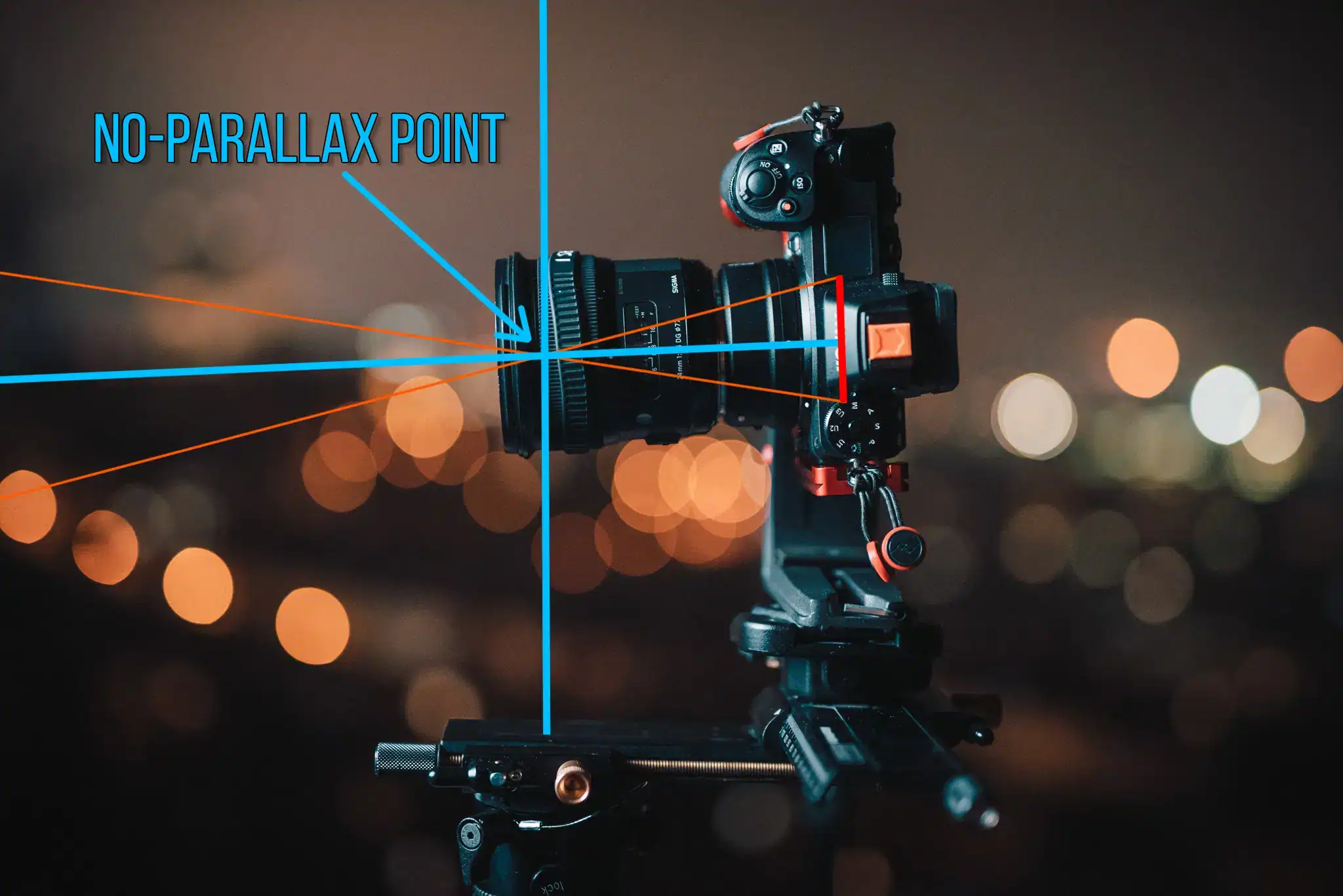
- Panoramic head: Aligning the lens to rotate around its no-parallax (entrance pupil) point is critical to avoid stitching errors in near objects.
- Stable tripod with leveling base: Fast, accurate leveling reduces alignment errors and speeds up capture.
- Remote trigger or Sony Imaging Edge Mobile app: Prevents vibration and allows hands-off bracketing.
Optional Add-ons
- Pole or car mount: Great for elevated perspectives or drive-by mapping. Use safety tethers and avoid high winds.
- LED panels or flashes for interiors: Even, color-consistent light reduces noise and balancing issues.
- Rain covers and microfiber cloths: Fisheye front elements get dirty easily and hate raindrops.
For a deep dive into panoramic head fundamentals and setup, see this panoramic head tutorial for 360 photography. Panoramic head setup guide
Step-by-Step Shooting Guide
Standard Static Scenes
- Level the tripod: Use a leveling base or the camera’s level. A level platform simplifies stitching and horizon correction.
- Align the nodal point: With the AstrHori 12mm on the A7 IV, a good starting distance for the entrance pupil is roughly 55–65 mm back from the front element along the optical axis. Fine-tune by placing two vertical objects (one near, one far) and rotating: adjust until their relative alignment doesn’t shift.
- Manual exposure and locked white balance: Set WB to Daylight or a custom Kelvin value; avoid Auto WB and Auto ISO. Fisheyes magnify any exposure/color inconsistencies across frames.
- Focus and aperture: Use manual focus, magnify, and focus slightly in front of infinity or set the hyperfocal. At 12mm f/8 on full-frame, the hyperfocal distance is roughly 0.6–0.7 m; focus there to keep everything acceptably sharp.
- Capture sequence:
- 6 around at 0° pitch (every 60° yaw). Tilt up 5–10° if you need more sky overlap.
- 1 zenith (+60° to +75°) and 1 nadir (−60° to −75°).
- Optional: shoot an extra overlapping pass in complex interiors or busy scenes.
- Take a dedicated nadir patch: After the main set, move the tripod slightly or shoot a handheld nadir frame to make tripod removal easier in post.
HDR / High Dynamic Range Interiors
- Bracket ±2 EV: The A7 IV supports AEB. For interiors with bright windows, use 3 frames at ±2 EV (−2, 0, +2). Use a 2-sec self-timer or remote to avoid shake.
- Lock WB and focus: Keep WB and focus fixed across brackets and all pano positions. Any changes will complicate blending and stitching.
- Exposure time: Let your base exposure protect highlights; HDR will lift the shadows cleanly. Keep ISO at 100–200 if the scene allows; 400–800 is acceptable if you need faster shutter speeds.
Low-Light / Night Scenes
- Use a solid support and disable IBIS: On a tripod, turn off SteadyShot to avoid micro-shifts from the stabilization system.
- Longer exposures: Aim for f/4–f/5.6 and shutter 1/10–1/60 depending on scene movement. ISO 400–800 is usually clean on the A7 IV; ISO 1600 is usable with noise reduction in post.
- Remote release: Trigger with a remote or app; use a 2–5 sec delay if needed.
Crowded Events
- Two passes strategy: Do a fast first ring to lock the background, then wait for gaps in the crowd and re-shoot problem frames for clean subject placement.
- Mask in post: In PTGui/Hugin, use masks to pick the clean areas from each frame and avoid ghosting.
Special Setups (Pole / Car / Drone)
- Security: Always tether the camera. On a pole, keep rotations slower and pause to let vibrations die before shooting.
- Shutter speed: Increase shutter to freeze micro-shakes (1/125–1/250), and consider a higher ISO if necessary.
- Lens shielding: A small flag or your hand can block low-angle sun flares without entering the frame—just stay behind the lens’s blind spots.
Watch a practical walk-through of panoramic head setup and capture flow:
Recommended Settings & Pro Tips
Exposure & Focus
| Scenario | Aperture | Shutter | ISO | Notes |
|---|---|---|---|---|
| Daylight outdoor | f/8–f/11 | 1/100–1/250 | 100–200 | Lock WB (Daylight or custom Kelvin) |
| Low light/night | f/4–f/5.6 | 1/30–1/60 | 400–800 (1600 if needed) | Tripod, remote trigger, IBIS off |
| Interior HDR | f/8 | Bracket ±2 EV | 100–400 | Protect highlights; consistent WB |
| Action / moving subjects | f/5.6–f/8 | 1/200+ | 400–800 | Shorter exposure, consider two-pass capture |
Critical Tips
- Hyperfocal focusing: At 12mm f/8 on full-frame, set focus ~0.6–0.7 m to keep near-to-infinity acceptably sharp. Use focus peaking/MF assist on the A7 IV.
- Nodal calibration: Start with the camera plate positioned so the entrance pupil sits over the rotation axis. Adjust until foreground/background objects stay aligned when panning. Mark the rail so you can repeat quickly.
- White balance lock: Use a fixed WB to avoid color shifts across frames—especially important when mixing daylight and tungsten.
- Shoot RAW: Gives you maximum latitude for highlight recovery and noise reduction during stitching and toning.
- IBIS off on tripod: Stabilization can introduce micro-blur during long exposures on solid supports.
- Avoid front-element touch: Fisheyes are vulnerable to fingerprints and flare; keep a clean microfiber handy.
Stitching & Post-Processing
Software Workflow
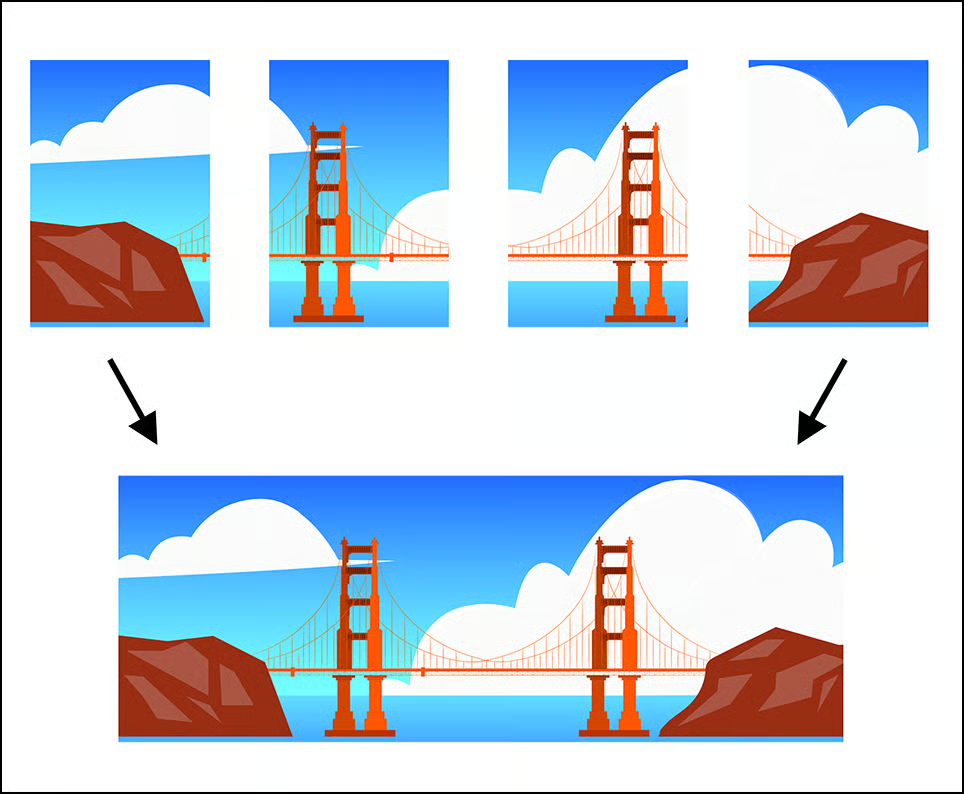
Import RAW files, apply uniform base adjustments (lens profile off for fisheye; no heavy vignetting or geometry corrections), and sync settings across the set. Export 16-bit TIFFs if your stitcher prefers them. In PTGui or Hugin, specify the lens as a diagonal fisheye and let the optimizer estimate exact parameters. With 6 around + Z + N at ~30–35% overlap, control points usually distribute well; just inspect the optimizer results and residuals. Expect final equirectangular resolution in the neighborhood of 90–140 megapixels depending on overlap and cropping. For an overview of panorama software options and workflows, this PTGui review offers a good perspective. PTGui panorama software review
General industry overlap guidance: 25–35% for fisheyes; 20–25% for rectilinear lenses. The AstrHori 12mm’s wide coverage means the lower end of that range still stitches reliably if your nodal alignment is solid. For VR publishing best practices (equirect sizing, metadata), see this DSLR/mirrorless 360 guide. Mirrorless 360 shooting and stitching guide
Cleanup & Enhancement
- Nadir patch: Use PTGui Viewpoint Correction or export and fix in Photoshop. You can also shoot a handheld nadir tile and blend it in with masks.
- Color harmony: Balance mixed lighting with selective WB tweaks or HSL; keep skin tones natural if people are present.
- Noise reduction: Apply color NR lightly on shadows; luminance NR sparingly to preserve detail.
- Leveling: Ensure horizon is truly level; correct roll, pitch, and yaw in the stitcher’s panorama editor.
- Export: Save an equirectangular JPEG or 16-bit TIFF at 8K–16K width for VR. Embed XMP metadata if your viewer requires it.
Disclaimer: software evolves—verify current features and steps in the latest documentation.
Useful Tools & Resources
Software
- PTGui panorama stitching
- Hugin (open-source)
- Lightroom / Photoshop / Affinity Photo
- AI tripod removal tools (e.g., Generative Fill workflows)
Hardware
- Panoramic heads: Nodal Ninja, Leofoto, Sunwayfoto
- Carbon fiber tripods with leveling bases
- Wireless remote shutters / intervalometers
- Pole extensions / car suction mounts with safety tethers
If you’re new to nodal alignment, this step-by-step panoramic head setup is a great foundation. How to set up a panoramic head
Disclaimer: names provided for search reference; check official sites for the latest specs and compatibility.
Common Mistakes & How to Avoid Them
- Parallax error: Always shoot from the lens’s entrance pupil—calibrate and mark your rails.
- Exposure flicker: Use fully manual exposure and fixed WB; avoid Auto ISO and Auto WB.
- Tripod shadows in nadir: Capture a dedicated nadir tile and patch later.
- Ghosting from movement: Take multiple passes and use masking in the stitcher.
- Night noise: Keep ISO moderate and extend shutter time on a stable tripod; shoot HDR where helpful.
- Flare with fisheye: Shade the lens, reposition slightly, or time captures when lights don’t strike the glass directly.
Real-World Case Studies
Indoor Real Estate
Mount the A7 IV on a leveled panoramic head; set f/8, ISO 100–200, and bracket ±2 EV. Shoot 6 around + Z + N. Windows will be under control once brackets are fused before stitching or with HDR inside the stitcher. Keep the camera slightly back from walls to reduce perspective compression.
Outdoor Sunset
Dynamic range can be high. If time allows, bracket ±2 EV with the sun just above the horizon. Use f/8, ISO 100–200, and consider two quick rings in case clouds move. Lens flare is common—use your body to shadow the lens between frames if possible.
Event Crowds
Speed is everything. Use single exposures (no bracketing) and a higher shutter (1/200–1/320) at ISO 400–800, f/5.6–f/8. Do two laps: one fast baseline, one for clean tiles to mask in later.
Rooftop or Pole Shooting
Secure the rig with a tether and avoid windy conditions. Use slightly faster shutters (1/125–1/250) and check overlap carefully. If on a long pole, consider 8 around for extra stitching margin and reduce rotational speed to let vibrations settle.
Safety & Gear Protection
- Turn off IBIS on a tripod; it can introduce blur in long exposures.
- Use a strap or tether when near edges or on poles; keep people clear of your rotation path.
- Beware of heat and direct sun on the fisheye’s front element—protect with a cap when not shooting.
- In rain or mist, use a waterproof cover and regularly check for droplets on the front element.
- Backups: Record to two cards (A7 IV supports dual slots). If possible, duplicate to a portable SSD before leaving the site.
Frequently Asked Questions
- Can I shoot handheld panoramas with the Sony A7 IV?
Yes for simple partial panos, but for full 360 spheres you’ll get parallax issues without a panoramic head. If you must go handheld, keep subjects far away, use 6–8 frames around with generous overlap, and expect more cleanup in post.
- Is the AstrHori 12mm f/2.8 wide enough for a single-row 360?
Yes. On full-frame, it’s a diagonal fisheye with ~180° diagonal FOV. Use 6 shots around plus zenith and nadir. In tight interiors or for insurance, add 1–2 extra around shots.
- Do I need HDR for interiors with bright windows?
Usually yes. The A7 IV has strong dynamic range, but bracketing ±2 EV helps retain highlight detail and avoid noisy shadows. Merge brackets before or during stitching for the cleanest results.
- How do I avoid parallax issues?
Calibrate the entrance pupil on your panoramic head so the lens rotates around it. Start near 55–65 mm back from the front element for this lens, then fine-tune with the near/far object test and mark your rails for repeatability.
- What ISO range is safe on the A7 IV in low light?
For critical quality, keep ISO at 100–400 on a tripod. ISO 800 is clean; ISO 1600 is usable with mild noise reduction. For moving crowds or poles, trade a bit of ISO for faster shutters.
- Can I set up Custom Modes for pano work?
Yes. Store a “Pano” preset (manual exposure, fixed WB, IBIS off, bracket settings, focus peaking on). This reduces setup time and errors on location.
Extras: Visual Inspiration & HDR Batch Shooting
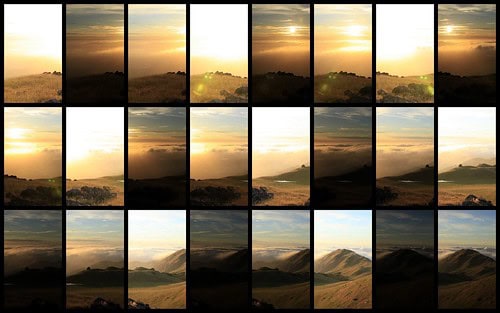
Here’s what a finished panorama can look like once you get overlap and exposure locked in, and why HDR batching can be a lifesaver for interiors with mixed light.
For deeper reading on planning focal lengths and pano strategy, this primer is helpful. Panos, focal lengths, and stitching basics