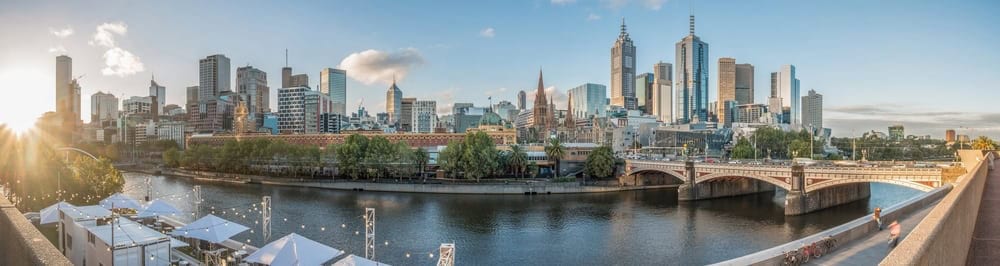
Why This Camera & Lens Are Great for Panoramas
The Sony A1 paired with the Sigma 14–24mm f/2.8 DG DN Art is a powerhouse for 360° and high-resolution panoramic work. The A1’s 50.1MP full-frame stacked BSI sensor (approx. 36×24 mm; pixel pitch ~4.16 μm) delivers exceptionally crisp detail with wide dynamic range at base ISO, giving you clean shadows and robust highlight retention—ideal for HDR panoramas and complex lighting. The stacked architecture also minimizes rolling shutter if you must use the electronic shutter around moving subjects or on a pole.
The Sigma 14–24mm f/2.8 DG DN Art is an ultra‑wide rectilinear zoom designed for mirrorless (E‑mount). It’s sharp edge‑to‑edge by f/5.6–f/8, with good control of chromatic aberration and distortion that stitches predictably in PTGui or Hugin. Being rectilinear (not fisheye) means you’ll need more frames than a fisheye, but you’ll get straight architectural lines and a natural look without defishing. The bulbous front element means no standard screw‑in filters; treat it carefully and use the hood/lens cap whenever you move between positions. Some mount variants support rear gel filters—check your exact lens version.
In short: extremely high resolution, dependable DR, efficient workflow, and robust build quality make this combo a trusted choice from real estate interiors to high‑contrast sunsets and even pole or car‑mounted 360° captures.
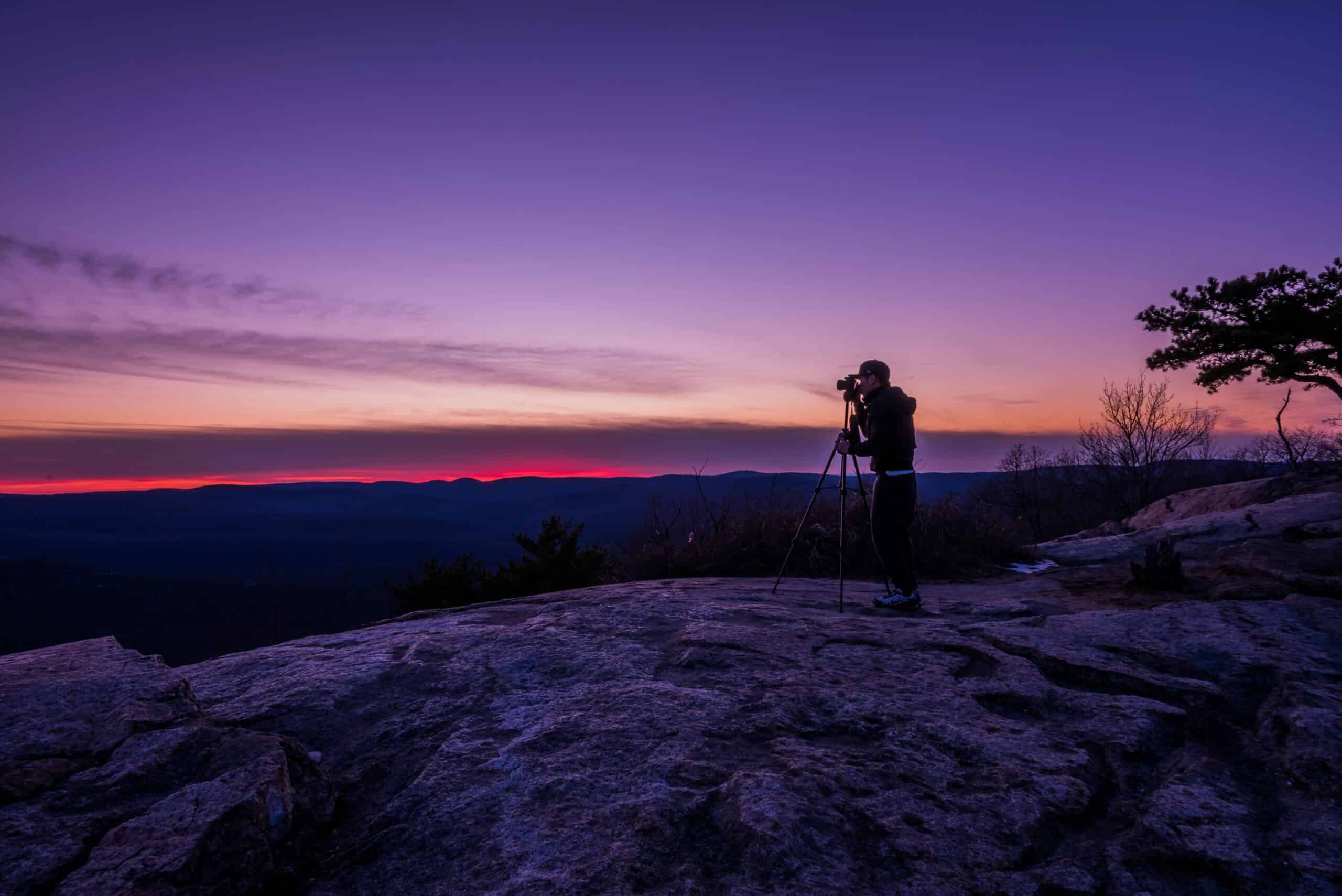
Quick Setup Overview
- Camera: Sony A1 — full‑frame 50.1MP stacked BSI sensor; superb base ISO dynamic range; native ISO 100–32,000 (expand 50–102,400); 14‑bit RAW and lossless compressed RAW options; 5‑axis IBIS (~5.5 stops).
- Lens: Sigma 14–24mm f/2.8 DG DN Art (rectilinear ultra‑wide zoom) — high corner sharpness by f/5.6–f/8; controlled CA and distortion; bulbous front element (no front filter threads).
- Estimated shots & overlap (tested starting points on full frame, vertical orientation):
- At 14mm: 8 shots around per row with ~30% overlap; 3 rows at +45°, 0°, −45° (24 shots) + 1–2 zenith + 2–3 nadir (total ~27–29).
- At 18mm: 10 shots around per row; 3 rows (30) + zenith/nadir (3–5) → ~33–35.
- At 24mm: 12 shots around per row; 3–4 rows (36–48) + zenith/nadir → gigapixel‑friendly detail.
Note: Single‑row 360° is not feasible with this rectilinear lens; plan multi‑row coverage.
- Difficulty: Moderate — rectilinear UWA requires precise nodal alignment and consistent overlap for clean stitching.
Planning & On-Site Preparation
Evaluate Shooting Environment
Walk your scene and note light direction, reflective surfaces (glass, polished floors, cars), and moving elements (people, trees, traffic). If shooting through glass, get as close as possible (within a few centimeters) to reduce reflections and ghosting. Watch for point light sources at night—ultra‑wides can flare; shield the front element or re‑angle between frames if necessary. Consider wind: high‑angle rooftops or pole captures demand extra stability and faster shutter speeds.
Match Gear to Scene Goals
The Sony A1’s base ISO files offer exceptional dynamic range; you can confidently stay at ISO 100–200 outdoors and ISO 100–400 indoors for the cleanest HDR stacks. The lens at 14–18mm lets you keep frame counts manageable while maintaining rectilinear lines—great for architecture and real estate. If you need mega‑detail gigapixel panoramas, zoom to 24mm and shoot more frames in multiple rows.
Pre-shoot Checklist
- Charge batteries (A1 battery is excellent, but multi‑row HDR pans are power‑hungry). Carry spares.
- Ample storage (50MP RAW + brackets add up; consider lossless compressed RAW to save space).
- Clean lens front element and sensor; bulbous fronts show dust easily against bright skies.
- Level tripod; verify panoramic head calibration (nodal/entrance pupil alignment).
- Safety: secure straps, tethers for rooftop/pole; avoid edge gusts and crowd obstructions.
- Backup workflow: shoot a safety pass for critical rows. If time allows, capture a second nadir for an easier patch.
Essential Gear & Setup
Core Gear
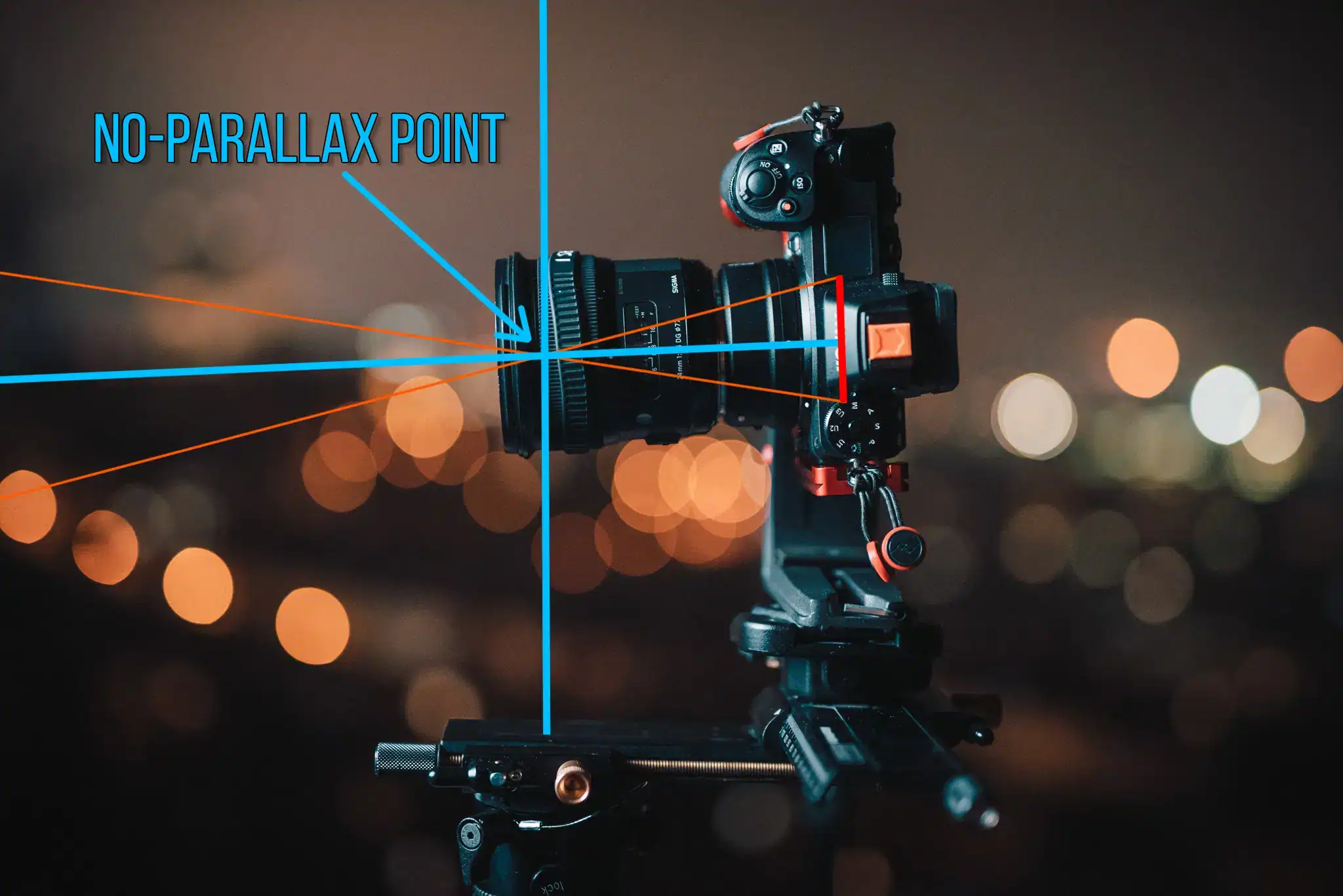
- Panoramic head with rail adjustments: Align the lens’ entrance pupil (no‑parallax point) over the rotation axis. This is critical to avoid parallax errors between close and far objects.
- Stable tripod with a leveling base: Level once at the base to keep rows consistent.
- Remote trigger or phone app: Use Sony Creators’ App / Imaging Edge Mobile for hands‑free capture and bracketing to avoid vibrations.
Optional Add-ons
- Pole or car mount: Use safety tethers; be mindful of wind‑induced sway and high‑frequency vibrations.
- Portable lighting: LED panels or bounced flash for dark interiors (avoid mixed color temperatures when possible).
- Weather protection: Rain covers and microfiber cloths; ultra‑wides exaggerate water spots and fingerprints.
Step-by-Step Shooting Guide
Standard Static Scenes
- Level and align: Level your tripod with the leveling base, then ensure the panoramic head’s tilt/roll are zeroed. Align the entrance pupil by observing a near object against a far object while rotating left/right; adjust the fore‑aft rail until there’s no relative shift.
- Exposure and WB: Switch to Manual mode. Set a consistent exposure that protects highlights. Lock white balance (Daylight/Cloudy/Tungsten) to prevent stitch‑to‑stitch color shifts.
- Focus: Use manual focus. At 14mm and f/8, the hyperfocal distance is roughly 0.8–1.0 m on full frame, delivering near‑to‑infinity sharpness. Use focus magnification to confirm.
- Capture with overlap: At 14mm vertical orientation, shoot 8 frames around per row with ~30% overlap. Complete rows at −45°, 0°, +45°. Pan smoothly and maintain consistent yaw increments.
- Zenith and nadir: Tilt up for 1–2 zenith frames. For nadir (ground), either shoot a clean plate by shifting the tripod slightly and using “viewpoint correction” later or capture multiple nadir frames to patch.
HDR / High Dynamic Range Interiors
- Bracket ±2 EV (3–5 frames): Windows and bright fixtures often exceed single‑exposure DR. The Sony A1 handles 5‑ or 7‑frame brackets well; start with 5 frames at ±2EV if the range is extreme.
- Lock white balance: Keep WB fixed for consistent tonality across brackets.
- Drive mode: Use the A1’s self‑timer or remote to fire brackets without shaking the rig. Consider mechanical shutter with anti‑flicker in LED‑lit interiors.
Low-Light / Night Scenes
- Use tripod discipline: Turn off IBIS (SteadyShot) when locked on a tripod to prevent micro‑jitters. Use a remote release.
- Exposure: f/4–f/5.6 at ISO 100–400, extend shutter to 1–4 seconds per frame if needed. If wind or vibration threatens sharpness, raise ISO to 800–1600 and keep shutter near 1/2–1/10s.
- Check flare: Shield the front element from direct streetlights; adjust your row order if needed to minimize ghosting.
Crowded Events
- Two passes: First pass for structure and alignment; second pass timed to gaps in moving crowds. Mask in post to reduce ghosting.
- Faster shutter: Aim for 1/200–1/500s at f/5.6–f/8, ISO 400–800. The A1 handles these ISOs very cleanly.
Special Setups (Pole / Car / Drone)
- Pole: Use a rigid carbon pole and a lightweight panoramic head. Tether the camera. Favor 14mm to reduce the total frame count aloft. Shutter 1/500–1/1000s to fight sway; electronic shutter is acceptable with the A1’s fast readout but check for LED banding.
- Car mount: Use vibration‑damping suction systems and safety lines. Shutter 1/1000–1/2000s, IBIS off, and consider shorter bursts to maintain consistent overlap.
- Drone: This setup is not designed for direct drone mounting; consider a dedicated drone/gimbal or a lighter body. Always follow local regulations.
Recommended Settings & Pro Tips
Exposure & Focus
| Scenario | Aperture | Shutter | ISO | Notes |
|---|---|---|---|---|
| Daylight outdoor | f/8–f/11 | 1/100–1/250 | 100–200 | Lock WB (Daylight); prioritize highlight protection |
| Low light/night | f/4–f/5.6 | 1/2–1/30 | 100–800 | Tripod & remote; turn IBIS off on tripod |
| Interior HDR | f/8 | Bracket ±2 EV (5 frames) | 100–400 | Protect window highlights; keep WB fixed |
| Action / moving subjects | f/5.6–f/8 | 1/200–1/500 | 400–800 | Faster shutter to reduce ghosting; two-pass method |
Critical Tips
- Manual focus at hyperfocal: At 14mm f/8, focus ~0.8–1.0 m for sharpness from roughly 0.4 m to infinity.
- Nodal point calibration: Start with the lens’ entrance pupil approximately 75–85 mm forward of the camera’s sensor plane at 14mm, then refine using near/far alignment tests. Mark the rail once dialed in.
- White balance lock: Prevent WB variations across frames and especially across HDR brackets. Mixed lighting? Choose a neutral manual Kelvin value (e.g., 3800–4200 K) and correct in RAW later.
- RAW choice: Use 14‑bit lossless compressed RAW on the A1 to balance quality and storage. JPEGs can work for quick jobs but sacrifice DR and flexibility.
- Shutter mode: On tripod, mechanical or EFCS are both fine. Use anti‑flicker for LED/fluorescent interiors. Electronic shutter helps on poles or with crowds but watch for LED banding.
- Use an L‑bracket: Faster switching to vertical orientation, keeps the nodal rail geometry stable.
Stitching & Post-Processing
Software Workflow
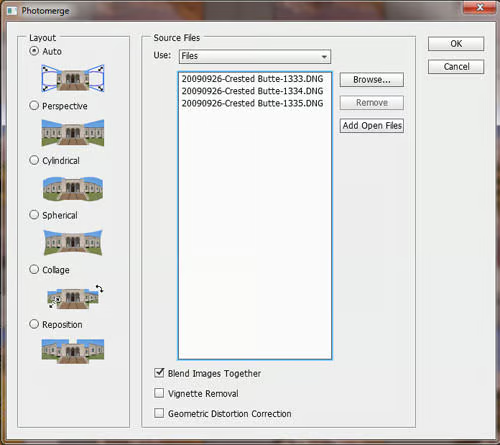
Import and organize by row. If you bracketed, first merge HDR stacks (in Lightroom, PTGui’s built‑in HDR, or other tools), then stitch the merged exposures. For rectilinear lenses, maintain 20–30% overlap per frame and consistent row spacing. PTGui’s lens model handles the Sigma 14–24 well; use Spherical projection for 360° equirectangular output. Hugin is a strong open‑source alternative, while Photoshop can stitch single‑row pans but is less robust for spherical multi‑row work. For detailed guidance on pro‑level stitching, see this PTGui review and workflow breakdown. PTGui: Fstoppers review and workflow tips
Cleanup & Enhancement
- Tripod/nadir patch: Use PTGui’s Viewpoint Correction with a shifted nadir shot, or patch in Photoshop/AI tools.
- Color and noise: Match tones across rows; apply modest noise reduction for high‑ISO night frames.
- Level and alignment: Set horizon and straighten verticals; correct roll/yaw/pitch in your stitcher or viewer.
- Export: For VR platforms, export an equirectangular 2:1 image (e.g., 12,000×6,000 or 16,384×8,192). Keep a 16‑bit master TIFF for future edits and a compressed JPEG for web.
Industry convention: aim for ~25–30% overlap with ultra‑wides; rectilinear lenses demand careful parallax control compared with fisheyes. Always confirm specific software updates and documentation for best practices. Oculus Creator guide to DSLR/mirrorless 360 stitching
Useful Tools & Resources
Software
- PTGui panorama stitching
- Hugin (open source)
- Lightroom / Photoshop
- AI tripod/nadir removal plugins
Hardware
- Panoramic heads (Nodal Ninja, Leofoto, Sunwayfoto)
- Carbon fiber tripods with leveling bases
- Wireless remotes or Sony Creators’ App
- Pole extensions and reliable car mounts with tethers
Deep dive on setting up a panoramic head and eliminating parallax, with step‑by‑step visuals. Panoramic head setup guide
Common Mistakes & How to Avoid Them
- Parallax errors: Caused by misaligned entrance pupil—calibrate your panoramic head and mark positions for 14mm, 18mm, and 24mm.
- Exposure flicker: Manual exposure and fixed WB prevent visible seams and color shifts.
- Tripod shadows or feet in frame: Capture a clean nadir or plan to patch with Viewpoint Correction.
- Ghosting from moving subjects: Use two‑pass capture and mask during stitching.
- Night noise and blur: Keep ISO reasonable (100–800 on tripod) and use a remote; if wind is strong, raise shutter speed and ISO to maintain sharpness.
- Front element damage: The Sigma’s bulbous glass is exposed; always cap before moving and avoid sandy or windy repositioning without protection.
Real‑World Case Studies with the A1 + 14–24mm
Indoor Real Estate (Bright Windows)
At 14mm vertical orientation, shoot 3 rows at −45°, 0°, +45° with 8 shots around per row. Use 5‑frame ±2EV bracketing at f/8, ISO 100–200. Mechanical shutter with anti‑flicker minimizes LED banding. Merge HDR per angle, then stitch. The A1 files retain window detail while keeping interiors clean—often reducing the need for heavy luminosity masking.
Outdoor Sunset (High DR, Minimal Movement)
Level tripod, manual exposure to protect highlights (ETTR cautiously), lock WB to Daylight. A quick 3‑frame bracket ±2EV is usually enough. If wind is light, drop ISO to 100 and let shutter run longer. The A1’s 14‑bit RAWs provide rich color gradients across the sky with minimal banding after blending.
Event Crowds (People Moving Through)
Use 1/250–1/500s at f/5.6–f/8, ISO 400–800. Capture a “structure pass” (empty or minimal people) and a “context pass” (with people). In post, mask in the best moments to minimize ghosting while keeping the scene lively.
Rooftop Pole (City Lookout)
Mount securely, tether camera, pre‑set manual exposure and focus. Use 14mm to keep frames down, 1/500–1/1000s shutter, and consider electronic shutter for speed. The A1’s stacked sensor keeps rolling shutter in check; still, avoid LED screens that may band under electronic shutter.
Car‑Mounted Capture
Use a quality suction rig with safety lines and avoid rough roads. Pre‑focus to hyperfocal, shoot at 1/1000–1/2000s, and keep rows simple (two rows + zenith/nadir) to reduce time at speed. Expect to mask moving objects in post.
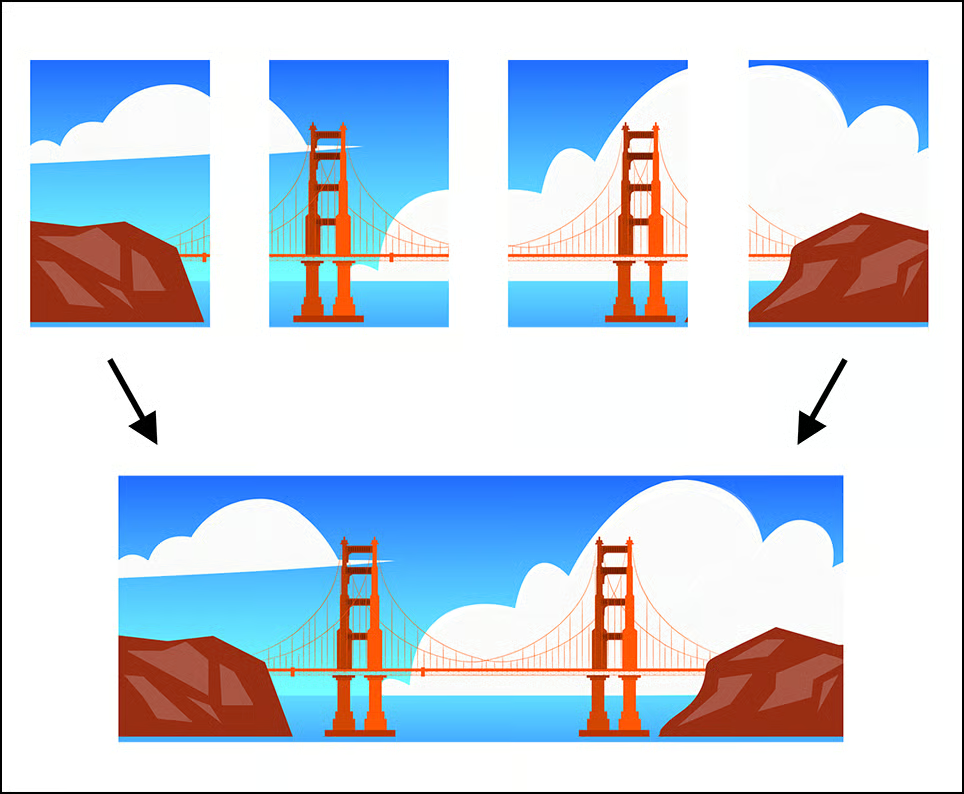
Learn more about lens choices and field‑of‑view strategies for panoramas in this overview. Panoramas, focal lengths, and stitching considerations
Frequently Asked Questions
- Can I shoot handheld panoramas with the Sony A1?
Yes, for single‑row cylindrical pans outdoors you can get away with handheld if you keep overlap generous (~40%). For full 360×180° with the 14–24mm, a tripod and pano head are strongly recommended to avoid parallax and tilt/roll errors.
- Is the Sigma 14–24mm f/2.8 DG DN Art wide enough for a single‑row 360?
No. It’s rectilinear, so you’ll need multiple rows (typically three) plus zenith and nadir. If you want fewer shots, consider a fisheye lens—but note the different look and defishing requirements.
- Do I need HDR for interiors with bright windows?
Usually yes. Bracket ±2EV (3–5 frames) to balance bright exteriors and shadowed interiors. The A1’s files blend cleanly with minimal noise; keep WB locked for consistent color.
- How do I avoid parallax issues with this combo?
Use a panoramic head and align the entrance pupil. Start around 75–85 mm forward of the sensor plane at 14mm, then fine‑tune using a near/far alignment test. Mark the rail for 14mm, 18mm, and 24mm to speed future setups. For a visual walk‑through, see this tutorial. Panoramic head tutorial
- What ISO range is safe on the A1 in low light?
On a tripod, keep ISO 100–400 for the cleanest files and extend shutter time. If wind or vibration is an issue, ISO 800–1600 is still very usable on the A1; just apply mild noise reduction in post.
- Can I save pano settings to custom modes on the A1?
Yes. Configure manual exposure, WB, drive/bracketing, and focus mode, then save to the Memory Recall (1/2/3 on the mode dial). Create a separate profile for HDR interiors vs daylight single‑exposure pans.
- How do I reduce flare with this ultra‑wide?
Avoid strong point lights just outside the frame; use your hand or card as a flag when needed. Clean the front element thoroughly—smudges amplify flare. If a frame flares badly, capture a quick substitute and blend in post.
- What panoramic head should I choose?
Look for an Arca‑compatible, two‑axis head with fore‑aft and lateral adjustment and clear scales (e.g., Nodal Ninja, Leofoto, Sunwayfoto). A leveling base and click‑stop rotator speed consistent yaw increments. For a DSLR/mirrorless 360 workflow overview, see this guide. Set up a panoramic head for high‑end 360 photos
Safety, Care, and Backup Workflow
On rooftops and public spaces, prioritize stability and situational awareness. Secure straps, avoid crowded walkways, and never leave the tripod unattended. The Sigma’s exposed glass demands careful handling—cap the lens before moving, especially in dusty or windy conditions. In rain, use a cover and wipe droplets immediately; water spots are very noticeable in ultra‑wide frames.
For data safety, record to dual card slots (RAW to Slot 1, JPEG previews to Slot 2) where possible, and back up immediately after the shoot. If the scene is critical, shoot a second complete pass. Keep a “safety nadir” and “safety zenith” to cover accidental gaps during stitching.
Final Thoughts
The Sony A1 and Sigma 14–24mm f/2.8 DG DN Art provide a reliable, high‑resolution path to professional 360° panoramas. With careful nodal alignment, consistent manual settings, and disciplined overlap, you’ll produce clean stitches with accurate geometry and rich tonality. Whether you’re capturing refined interiors, sweeping cityscapes at sunset, or a pole‑mounted rooftop view, this combo delivers the detail and flexibility required for modern 360° delivery.