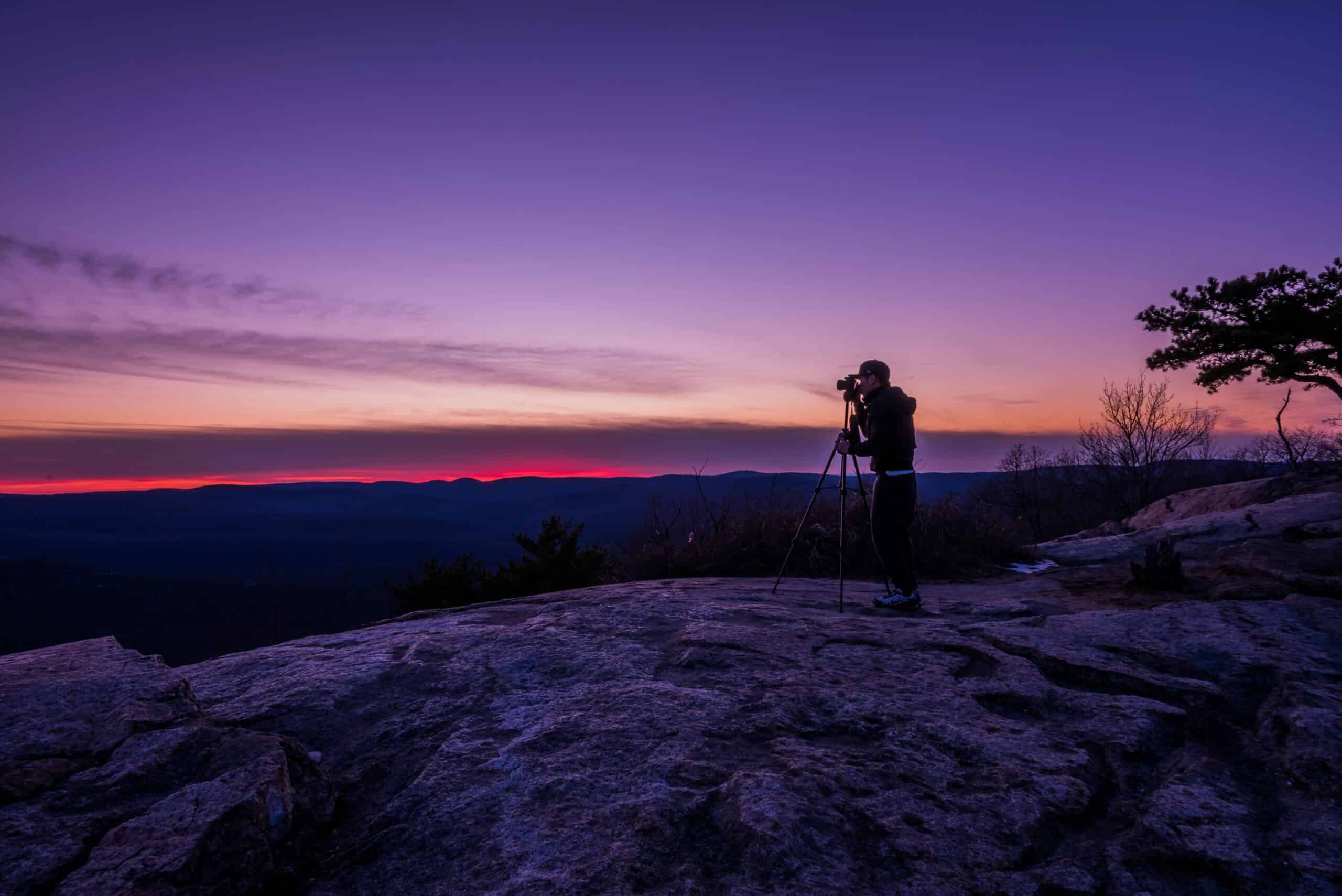
Why This Camera & Lens Are Great for Panoramas
The Olympus OM‑1 paired with the 7Artisans 10mm f/2.8 II Fish‑Eye is a compact, cost‑effective, and highly capable combo for 360° panoramas and virtual tours. The OM‑1’s 20.4MP stacked BSI Micro Four Thirds sensor (17.3×13.0mm, ~3.3µm pixel pitch) delivers solid dynamic range at base ISO (approximately 12–13 EV at ISO 200), fast readout for silent shooting, and excellent weather sealing for outdoor work. The camera’s IBIS is outstanding for handheld work, while its silent electronic shutter is invaluable in quiet interiors or events.
The 7Artisans 10mm f/2.8 II is a manual-focus diagonal fisheye available in Micro Four Thirds mount. On MFT, its effective diagonal field of view is wide enough to cover a sphere with relatively few frames, especially compared to rectilinear lenses. That means faster capture and fewer stitching seams—ideal for busy scenes and tight interiors. As a fisheye, it has pronounced barrel distortion by design, but stitching software like PTGui or Hugin understands fisheye projection and handles it gracefully. Optically, it’s sharp stopped down to f/5.6–f/8, with manageable chromatic aberration that can be corrected in post.
For creators learning how to shoot panorama with Olympus OM‑1 & 7Artisans 10mm f/2.8 II Fish‑Eye, this setup balances portability, speed, and image quality in a way that makes both outdoor landscapes and indoor real estate captures efficient and repeatable.
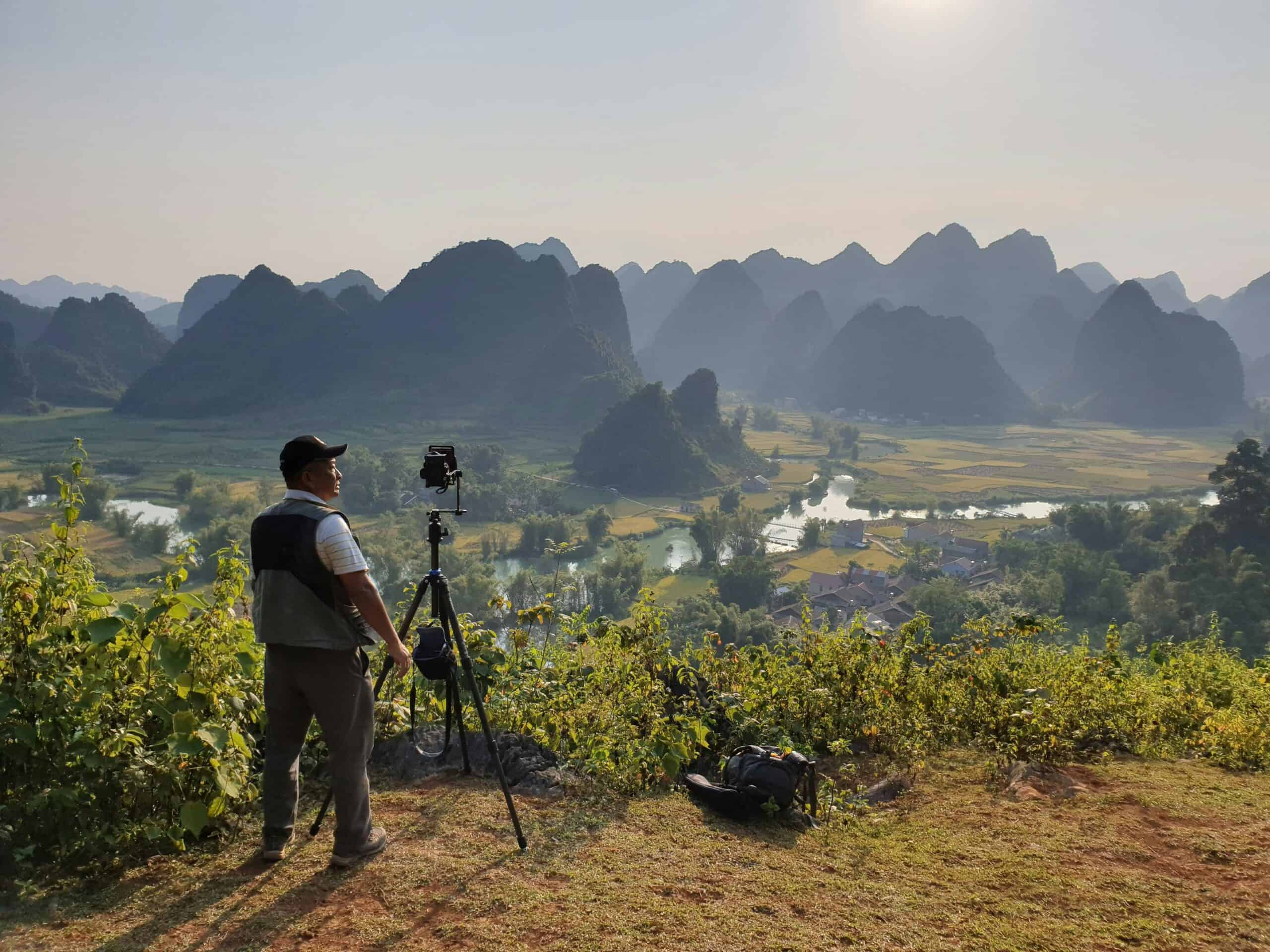
Quick Setup Overview
- Camera: Olympus OM‑1 — Micro Four Thirds (17.3×13.0mm), 20.4MP stacked BSI sensor, ~12–13 EV DR at base ISO 200, excellent weather sealing.
- Lens: 7Artisans 10mm f/2.8 II Fish‑Eye — manual focus, diagonal fisheye projection, best sharpness f/5.6–f/8, mild purple/green CA near edges that’s easy to correct.
- Estimated shots & overlap (tested ranges on MFT):
- Single-row 360: 6 around at 60° yaw + 1 zenith + 1 nadir (8 frames total) with ~30% overlap (safe baseline).
- Tight spaces or critical detail: 8 around at 45° yaw + zenith + nadir for higher overlap and fewer stitching artifacts.
- Difficulty: Easy–Moderate (fisheye simplifies capture; careful nodal alignment still required for clean stitches).
Planning & On-Site Preparation
Evaluate Shooting Environment
Survey light direction, contrast, and moving elements. In interiors, watch for mixed lighting (tungsten + daylight) and reflective surfaces like glass and polished floors. If shooting through glass, get the front element close (1–2 cm) and shoot at a slight angle to avoid reflections; use a rubber lens hood if possible. Outdoors, plan for wind (stability!) and sun position to prevent flare and blown highlights.
Match Gear to Scene Goals
The OM‑1’s native ISO 200 gives the cleanest files and best dynamic range. For most real estate interiors, ISO 200–800 is a safe working range on the OM‑1; ISO 1600 is usable with careful exposure and noise reduction. The 7Artisans fisheye reduces the number of shots required, which means shorter total capture time—a big advantage for scenes with people or changing light. Expect some fisheye curvature in straight lines; stitching software projects to equirectangular or rectilinear output, but framing with extra margin helps preserve verticals during post corrections.
Pre‑shoot Checklist
- Power & storage: Fully charge batteries, bring a spare; use fast, reliable UHS‑II cards.
- Optics: Clean front/rear lens elements and the sensor (dust is more visible at f/8–f/11).
- Support: Level the tripod and verify panoramic head calibration for the no‑parallax point.
- Safety: Assess wind loads, rooftop edge distances, and crowd management. Use a safety tether on poles or car mounts.
- Backup workflow: After one complete 360 set, shoot a second safety round. If possible, capture a few extra frames around reflective or complex areas for blending.
Essential Gear & Setup
Core Gear
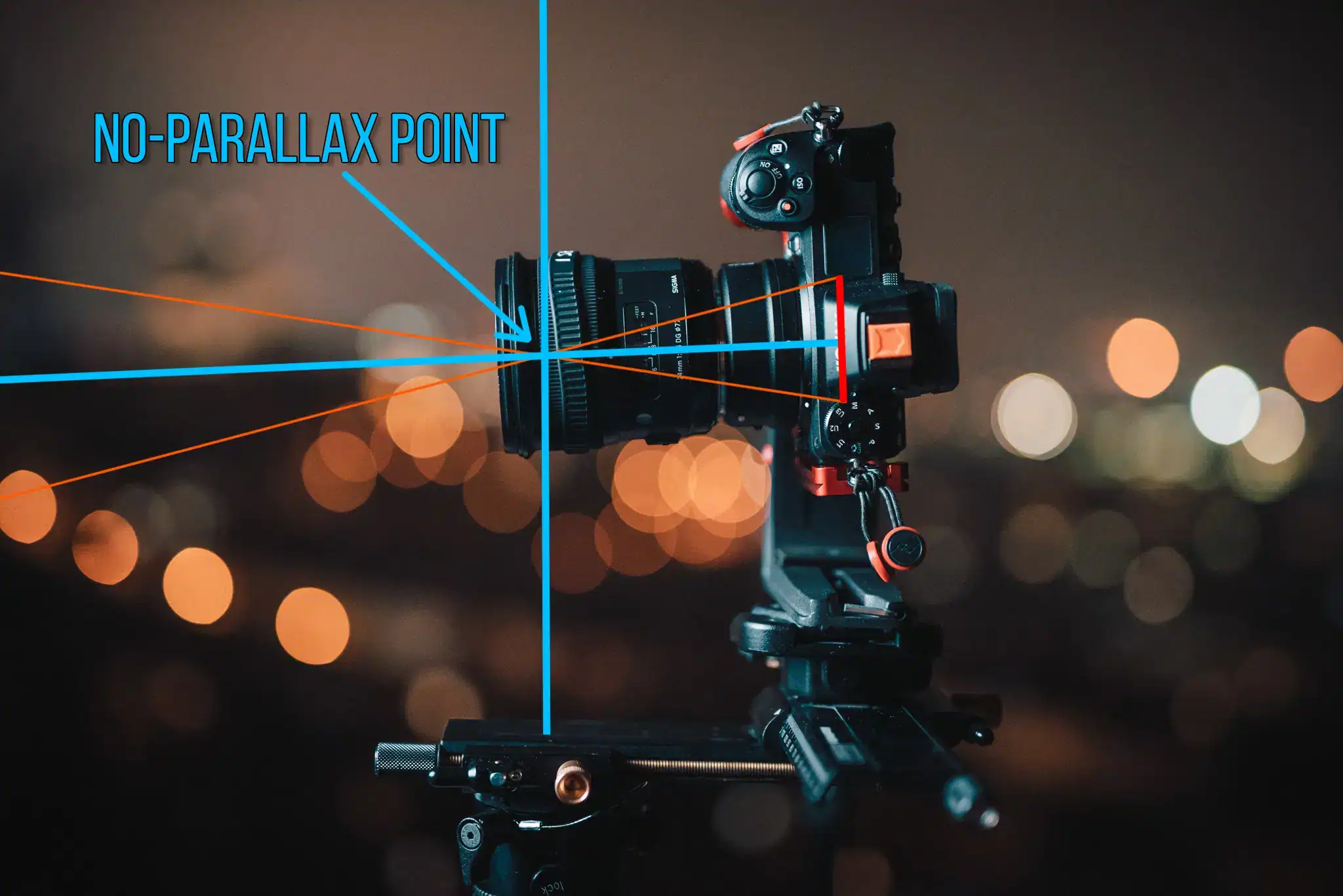
- Panoramic head: Allows rotating around the lens’s no‑parallax (nodal) point to prevent foreground/background shifts. Calibrate once, then mark the rails for this lens.
- Stable tripod with a leveling base: A half‑ball or dedicated leveling base speeds setup, keeping the horizon straight and stitch lines consistent.
- Remote trigger or smartphone app: Use the OM‑1 app or a cable release to minimize vibrations, especially for low-light or bracketed HDR sequences.
Optional Add‑ons
- Pole or car mount: Great for elevated or mobile shots. Always use a safety tether, monitor wind, and avoid overhanging public spaces without permits.
- Lighting aids: Small LED panels or bounced flash can lift shadows in deep interiors. Keep lighting consistent across frames to avoid stitch mismatches.
- Weather protection: Rain cover, microfiber cloths, and lens hood for drizzle or sea spray.
Video: Panoramic Head Basics
New to nodal alignment and panoramic heads? This short video helps visualize the process before you go on location.
Step‑by‑Step Shooting Guide
Standard Static Scenes
- Level the tripod and align the nodal point: On the pano head, slide the camera forward/back until nearby and distant details stay aligned while you pan. Mark this position for the 7Artisans 10mm. For this combo, expect the entrance pupil to sit slightly ahead of the lens mount—record your exact rail numbers for repeatability.
- Use manual exposure and lock white balance: Set the OM‑1 to M mode. Meter the brightest area you must hold (e.g., window highlights) and set exposure to protect highlights. Lock white balance (Daylight ~5300K outdoors; 3000–4000K for interiors). Avoid Auto WB to prevent color shifts between frames.
- Capture with overlap suited to the lens: With the 10mm fisheye on MFT, shoot 6 frames around at 60° yaw increments with ~30% overlap. Add 1 zenith (+90° tilt) and 1 nadir (−90° tilt). For complex ceilings or tight spaces, switch to 8 around at 45° yaw.
- Take a clean nadir: After the main set, lift the tripod and shoot a handheld nadir shot at the same point, or use a nadir offset on the pano head. This simplifies removing the tripod in post.
HDR / High Dynamic Range Interiors
- Bracket ±2 EV (3 or 5 frames): The OM‑1’s AE bracketing is reliable; use 3 frames for moderate DR, 5–7 for bright windows. Maintain the same aperture and focus.
- Lock WB and keep ISO low: Stick to ISO 200–400 to preserve DR. Merge brackets per view first (exposure fusion or HDR) before stitching for the cleanest results.
Low‑Light / Night Scenes
- Use a tripod and remote trigger: Set f/4–f/5.6, ISO 200–800, and drag the shutter as needed (1–8 seconds). Turn IBIS OFF on a tripod to avoid micro‑jitters.
- Prefer electronic first curtain (Anti‑Shock) or Silent: The OM‑1’s silent mode helps avoid vibration; for very long exposures, EFCS (Anti‑Shock/0s) prevents shutter shock artifacts.
Crowded Events
- Shoot two passes: First pass fast for coverage; second pass wait for gaps or better subject positions. Slightly higher overlap (8 around) increases mask‑in success.
- Mask in post: In PTGui, use the masking tool to choose the best people positions per seam and remove ghosts.
Special Setups (Pole / Car / Drone)
- Pole: Secure with a tether, keep exposures fast (1/250+), and rotate slowly to minimize flex. Brace against wind; consider 8 around to increase stitch accuracy.
- Car mount: Use vibration‑damped mounts, pre‑focus and tape the ring, use Silent shutter, and avoid high speeds. Always follow local laws and safety protocols.
Recommended Settings & Pro Tips
Exposure & Focus
| Scenario | Aperture | Shutter | ISO | Notes |
|---|---|---|---|---|
| Daylight outdoor | f/8–f/11 | 1/100–1/250 | 200 | Lock WB (Daylight ~5300K). Turn IBIS off on tripod. |
| Low light/night | f/4–f/5.6 | 1/30–8s | 200–800 | Tripod & remote trigger; prefer EFCS or Silent. |
| Interior HDR | f/8 | Bracket ±2 EV (3–5f) | 200–400 | Merge HDR per angle, then stitch for best quality. |
| Action / moving subjects | f/5.6–f/8 | 1/200+ | 400–1600 | Freeze motion; take a second pass for clean seams. |
Critical Tips
- Manual focus at hyperfocal: With a 10mm on MFT at f/8, hyperfocal is roughly 0.8–0.9 m. Set the focus there and tape the ring for consistency.
- Nodal point calibration: Place two vertical objects (near/far) in overlap and pan; adjust fore‑aft on the rail until their relative position doesn’t shift. Mark your OM‑1 + 10mm numbers on the rail for repeatable setups.
- White balance lock: Avoid Auto WB. Set Kelvin or use a custom WB card to keep frames consistent and reduce seam color shifts.
- RAW over JPEG: Shoot RAW for maximum dynamic range and better CA correction, defringing, and noise reduction.
- IBIS on/off: Handheld panos benefit from IBIS; on a tripod, turn IBIS OFF to avoid micro‑balance drift.
- Avoid “LOW” ISO modes for HDR: The OM‑1’s extended ISO LOW settings trade highlight headroom; stick to native ISO 200 for best DR.
Stitching & Post‑Processing
Software Workflow
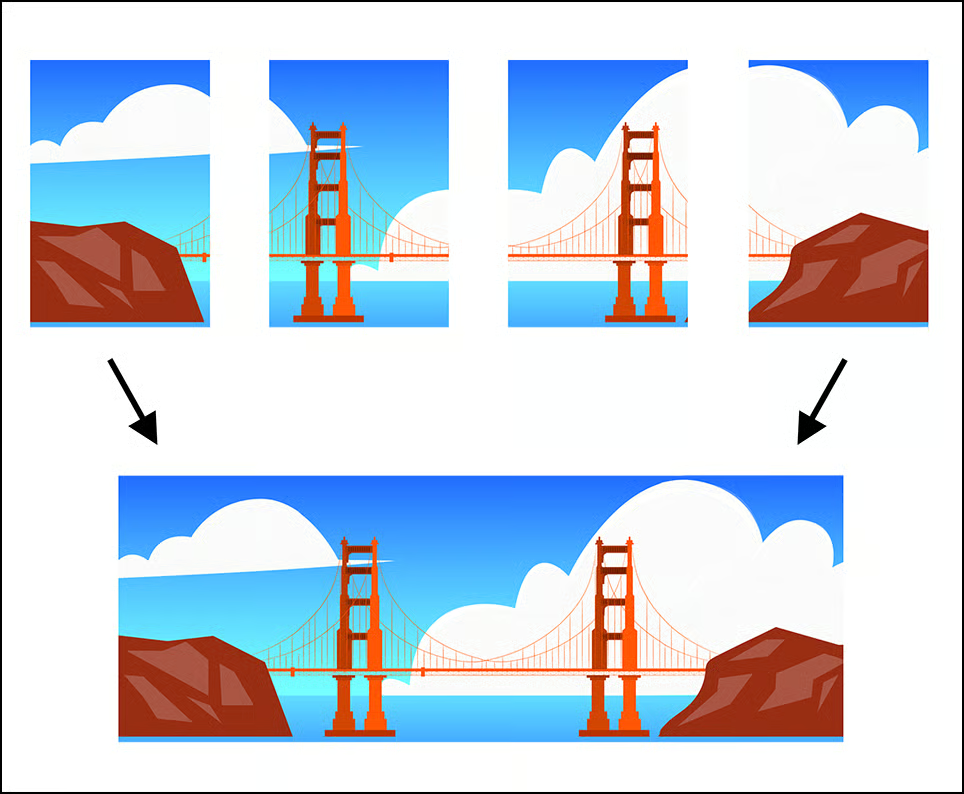
Import RAWs and apply baseline corrections (lens CA, WB consistency, noise). For HDR interiors, first merge brackets per camera angle (e.g., LR HDR or exposure fusion) and then stitch the merged set. PTGui and Hugin both handle fisheye projections very well. With fisheye frames, use around 25–35% overlap; rectilinear lenses typically need 20–25% overlap but many more frames. PTGui’s lens type should be set to “Fisheye” with a crop factor of 2.0 for Micro Four Thirds, then optimize lens parameters and control points for best alignment. For final output, export an equirectangular 2:1 image for VR platforms.
Cleanup & Enhancement
- Nadir patch: Shoot a dedicated nadir, then use PTGui’s Viewpoint correction or patch in Photoshop. AI content‑aware tools can speed up tripod removal.
- Color and noise: Match color across frames before stitching when possible; apply moderate noise reduction for ISO 800+ night scenes.
- Horizon & leveling: Use pitch/roll/yaw controls to level horizons and verticals. Recenter the pano on your main subject.
- Export: For web/VR, save a high‑quality JPEG equirectangular (e.g., 12000×6000 for a 20MP source) or a TIFF master for archiving.
For deeper technique, see a panoramic head tutorial on avoiding parallax and control point strategy. Panoramic head best practices
If you’re evaluating stitching tools, this review explains why PTGui is a top choice for pros. PTGui overview and pro review
Useful Tools & Resources
Software
- PTGui panorama stitching
- Hugin open source
- Lightroom / Photoshop for RAW, HDR, and cleanup
- AI tripod removal and content‑aware fill tools
Hardware
- Panoramic heads (Nodal Ninja, Leofoto, Sunwayfoto)
- Carbon fiber tripods with a leveling base
- Wireless remote shutters or camera apps
- Pole extensions and car suction mounts with safety tethers
Want a platform‑level guide for 360 photo creation? Oculus’ documentation is practical and up‑to‑date. Using a mirrorless camera to shoot and stitch a 360 photo
Disclaimer: software/hardware names provided for search reference; check official sites for details.
Common Mistakes & How to Avoid Them
- Parallax error: Always rotate around the lens’s no‑parallax point. Recalibrate if you change plates, clamps, or camera orientation.
- Exposure flicker: Use manual exposure and locked WB; avoid Auto ISO. In HDR, keep aperture and focus fixed.
- Tripod shadows: Shoot an offset nadir and patch later. If the sun is low, reposition slightly and take a second pass.
- Ghosting from movement: Increase overlap, take multiple passes, and use masking in the stitcher.
- Night noise: Keep ISO to 200–800 on the OM‑1 when possible; use long exposures on a stable tripod with remote triggering.
- Flare with fisheye: Shade the lens with your hand off‑frame or time the capture when direct sun is blocked by architecture.
Field‑Tested Scenarios
Indoor Real Estate
Set the OM‑1 to ISO 200–400, f/8, and bracket ±2 EV. Shoot 8 around for more overlap around doorways and reflective furniture. Lock WB to a custom Kelvin. Use PTGui’s masking if mirror reflections capture the tripod. The fisheye reduces frame count, so you can finish a floor quickly while maintaining quality.
Outdoor Sunset Vista
Use ISO 200, f/8–f/11, and meter the sky to preserve highlight color. Shoot quickly as light changes; if in doubt, shoot a second set 2–3 minutes later. Enable Silent shutter to reduce any vibration. Consider a 2‑pass strategy: one for the sky, one for the foreground, and blend in post.
Event Crowds
Use ISO 400–800, f/5.6–f/8, 1/200+. Do 8 around for overlap. Capture multiple versions per angle to mask in the cleanest faces and positions. The OM‑1’s stacked sensor allows fully silent capture—excellent in concerts or ceremonies.
Rooftop / Pole Shooting
Keep the rig light. Use a carbon pole, 1/250+ shutter, and a safety tether. Rotate slowly; wind can flex the pole and change nodal alignment. Consider shooting 8 around with extra overlap. Plan the nadir patch before you start.
Car‑Mounted Capture
Mount low for stability, pre‑focus to hyperfocal, and use 1/250–1/500 at ISO 400–800. Stop the car for each rotational set if possible; rolling movement complicates stitching. Keep pedestrians and traffic laws in mind at all times.
Frequently Asked Questions
- Can I shoot handheld panoramas with the OM‑1?
Yes for quick cylindrical panos; for full 360×180 spheres, a pano head is strongly recommended. The OM‑1’s IBIS helps steady handheld shots, but without nodal alignment, close objects can cause parallax errors that are difficult to fix.
- Is the 7Artisans 10mm f/2.8 II wide enough for single‑row 360 on MFT?
Yes. Expect 6 around + zenith + nadir for most scenes. In very tight interiors or with very close foregrounds, use 8 around to increase overlap and reduce seam stress.
- Do I need HDR for interiors with bright windows?
Usually. Bracket ±2 EV (3–5 frames) at each rotation to recover window detail and keep shadows clean. Merge the HDRs per angle before stitching for the best results.
- How do I avoid parallax issues?
Calibrate the no‑parallax point on your panoramic head for the OM‑1 + 10mm combo and always rotate around that point. Recheck calibration if you change plates or tilt angles significantly.
- What ISO range is safe on the OM‑1 in low light?
ISO 200–800 is a practical range for panoramas. ISO 1600 is usable with careful exposure and noise reduction. For static scenes, favor longer shutter speeds over higher ISO to maintain dynamic range and detail.
- Can I store custom pano settings on the OM‑1?
Yes. Save manual exposure, WB, and drive settings to a Custom mode (e.g., C1 for static, C2 for HDR). This speeds setup and reduces mistakes on location.
- How can I reduce flare with a fisheye?
Avoid direct sun in the frame if possible, use your hand (kept out of frame) or a flag to shade the lens, and clean the front element. Shoot multiple frames around problematic angles and choose the cleanest in post.
- What’s the best tripod head for this setup?
Look for a compact panoramic head with fore‑aft and lateral adjustments (e.g., Nodal Ninja or Leofoto) and a quick leveling base. Ensure the rails allow your OM‑1 + 10mm to hit the correct no‑parallax point.
Further Reading
For deeper fundamentals beyond this guide, these curated resources are excellent:
Safety & Reliability Reminders
- Wind and edges: On rooftops or cliffs, lower your tripod, spread the legs, and tether your rig. Never leave gear unattended.
- Weather sealing: The OM‑1 is well sealed, but dry and clean the lens mount after rain. Keep silica gel in your bag.
- Data redundancy: Use dual card slots if available or back up to a mobile device on site. Shoot a second full set when time allows.
- Legal and privacy: For public or commercial spaces, confirm permissions and respect privacy policies when capturing 360 imagery.