
Why This Camera & Lens Are Great for Panoramas
The Nikon Z8 paired with the Sigma 15mm f/1.4 DG DN Diagonal Fisheye Art is a powerhouse combo for fast, high-quality 360° panoramas. The Z8’s 45.7MP full-frame stacked BSI sensor (8256×5504) delivers exceptional detail and a generous dynamic range at base ISO 64, while its electronic shutter eliminates shutter shock and reduces rolling shutter artifacts—excellent for tripod and pole work. The Sigma 15mm diagonal fisheye gives a 180° diagonal field of view on full frame (roughly ~147° horizontal, ~94° vertical), which means you can cover a full sphere with far fewer shots than a rectilinear lens, speeding up capture and reducing ghosting in dynamic scenes.
Autofocus speed isn’t critical for static panoramas, but the Z8’s robust AF and focus peaking (for manual) make setup painless. The fisheye’s predictable distortion is actually an advantage for stitching software like PTGui and Hugin, which include precise fisheye mapping models. The only caveat: mount compatibility. The Sigma 15mm f/1.4 DG DN Diagonal Fisheye Art is available in Sony E and L-Mount. On the Z8, use a smart E-to-Z adapter such as the Megadap ETZ21 Pro or Techart TZE-01. These adapters pass electronic data, allowing EXIF and AF; the Nikon Z8’s IBIS will also stabilize effectively. Always verify latest adapter firmware for best performance and mount the setup carefully—this lens is substantial.
Quick Setup Overview
- Camera: Nikon Z8 — Full-frame 45.7MP stacked BSI sensor; base ISO 64; excellent DR (~14 EV class at base), pixel pitch ~4.35µm; electronic shutter only (no shutter shock).
- Lens: Sigma 15mm f/1.4 DG DN Diagonal Fisheye Art — diagonal fisheye (180° diagonal FOV), razor-sharp stopped down, minor lateral CA toward edges that’s easy to correct; fast f/1.4 for night/HDR capture headroom.
- Estimated shots & overlap (tested baselines):
- Fast 360°: 6 around at 60° yaw spacing + 1 zenith + 1 nadir (30–35% overlap).
- Clean interior (windows, tight spaces): 8 around + zenith + nadir (35–40% overlap).
- Speed run outdoors: 5 around + zenith + nadir possible, but stitching margin is thinner—use with caution.
- Difficulty: Intermediate (simple once nodal point is calibrated).
With 6–8 shots around at 15mm fisheye, expect stitched equirectangular outputs in the 12K–16K width range from a 45.7MP body—plenty for professional tours and VR players.
Planning & On-Site Preparation
Evaluate Shooting Environment
Scan for moving subjects (people, cars, trees in wind), reflections (glass, polished floors), and extreme contrast (bright windows, spotlights). If shooting through glass, get as close as possible (1–3 cm) and shoot perpendicular to reduce reflections and ghosting. In backlit conditions, plan an extra pass or bracket to preserve highlight detail for a clean stitch and smooth tonality.
Match Gear to Scene Goals
The Z8’s base ISO 64 and ~14 EV-class dynamic range excel for high-contrast scenes; indoors, ISO 200–800 remains clean with strong color depth. The Sigma 15mm diagonal fisheye minimizes shot count, which is fantastic in crowds or at sunset when the light changes quickly. The tradeoff is fisheye distortion in the raw frames—this is by design and handled by pano software. For razor-straight architectural lines in single frames, a rectilinear lens is better; for 360 spheres, this fisheye is ideal.
Pre-shoot Checklist
- Power and storage: Fully charge batteries; carry spares. Format cards. Z8 supports CFexpress Type B + SD UHS-II—consider redundant recording.
- Clean optics and sensor: Dust on a fisheye is very visible. Bring a blower and lens cloth.
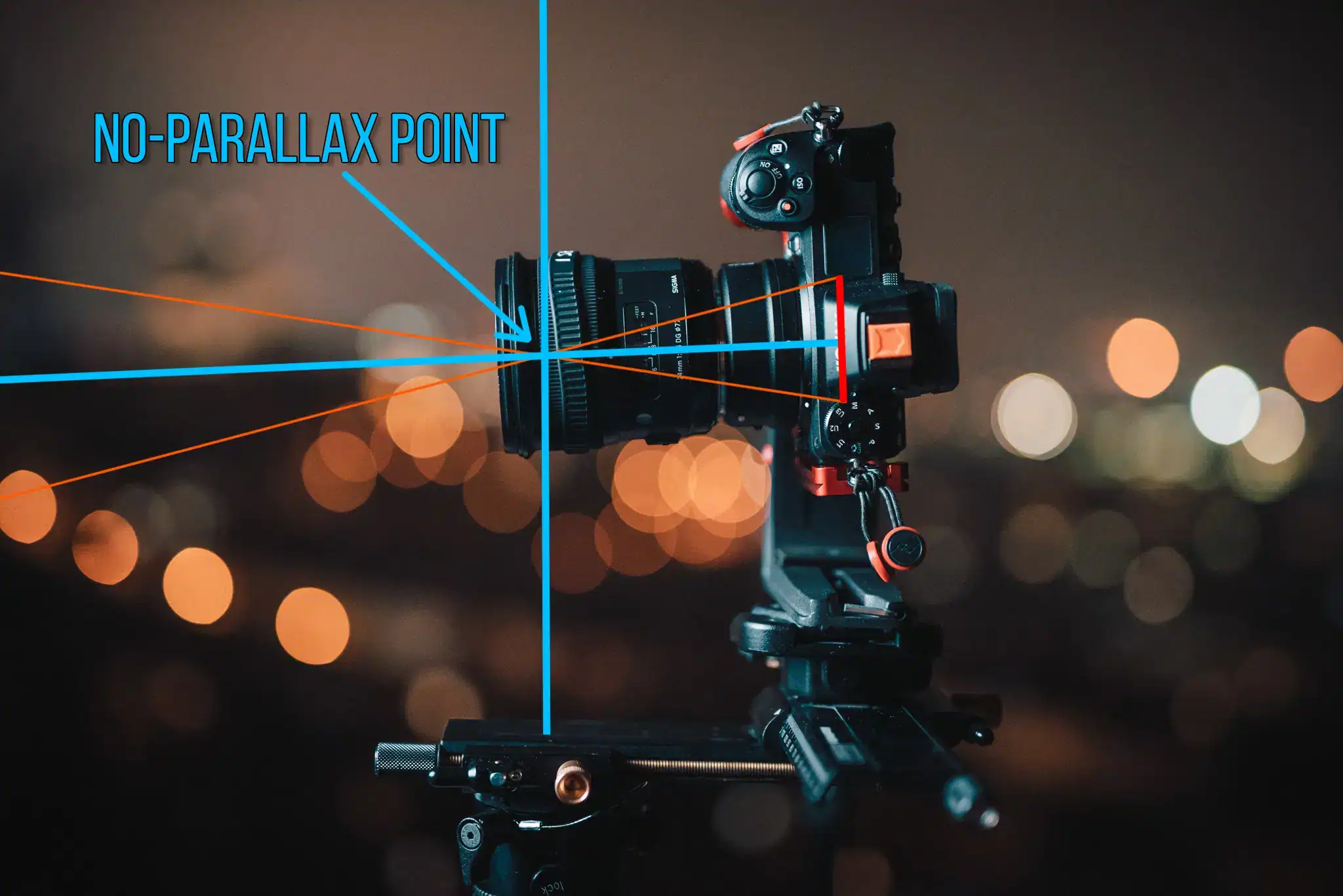
- Tripod leveling and pano head calibration: Bubble or digital level; ensure your panoramic head is set to the lens’s no-parallax point.
- Safety & rigging: On rooftops, use a weighted tripod or safety tether. For car mounts/poles, double-check clamps and wind conditions.
- Backup workflow: Shoot an extra full round after your main take in case a frame has blur or a person blocks a seam.
Essential Gear & Setup
Core Gear
- Panoramic head: A proper pano head lets you rotate around the lens’s no-parallax (entrance pupil) point, eliminating parallax errors and ensuring easy stitching.
- Stable tripod with leveling base: Leveling the rig saves time and avoids uphill/tilted horizons.
- Remote trigger or app: Use Nikon SnapBridge or a wired remote to prevent vibrations.
Optional Add-ons
- Pole or car mount: Great for elevated vantage points or drive-through mapping. Use safety tethers and monitor wind; rotate slower to reduce vibration.
- Lighting aids: Small LED panels or flashes (bounced) can lift dark corners for interior work. Beware of mixed white balance.
- Weather protection: Rain covers, lens hoods, and a microfiber towel. For cold nights, consider a dew heater on the fisheye.
Adapter note: If you’re using the Sigma 15mm DG DN (E-mount) on the Z8, a Megadap ETZ21 Pro or Techart TZE-01 is recommended. Update adapter firmware and support the lens if needed; do not grab the camera as a handle when moving the rig—lift from the tripod/pano head.
Deep dive on pano heads and alignment is covered in this detailed tutorial. Panoramic head setup guide
Step-by-Step Shooting Guide
Standard Static Scenes
- Level the tripod and align the nodal point: Place a light stand or pole close to the lens and a background object far away. Rotate the camera. If the near object shifts relative to the background, adjust the sliding rail until the shift disappears. With a 15mm diagonal fisheye on full frame, the rail position often ends up around the 85–95 mm region from the camera’s sensor plane mark—verify for your adapter and head.
- Manual exposure and white balance: Set M mode and use a fixed Kelvin WB (e.g., 5200K daylight, 3200–4000K tungsten interiors). Locking both prevents flicker and color casts between frames.
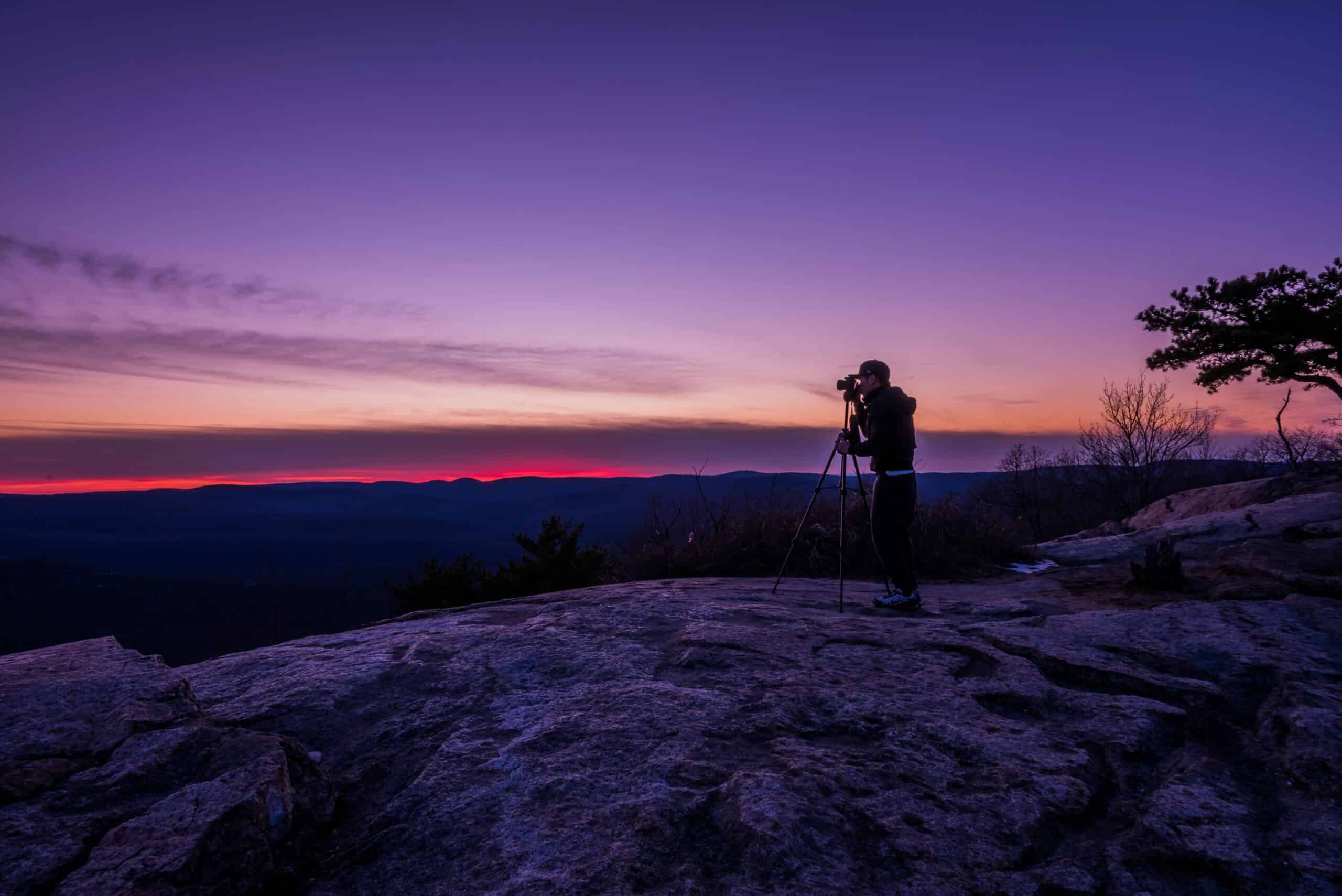
- Capture with proper overlap: For this lens, use 6 shots around at 60° yaw spacing with 30–35% overlap. Keep pitch at 0° or slightly up (+5°) to protect zenith coverage. Add 1 zenith shot (tilt up 60–90°) and 1 nadir shot (tilt down ~60° or remove tripod later via patching).
- Nadir shot for tripod removal: If your head allows, offset the camera and shoot a clean patch of floor. Otherwise, plan to clone/AI-patch in post.
HDR / High Dynamic Range Interiors
- Bracket shots per angle: ±2 EV (3–5 frames) typically balances bright windows against interior shadows. On Z8, 14-bit RAW at ISO 64–200 maximizes DR.
- Maintain fixed WB and manual exposure series: Use auto bracketing with a remote. Ensure the sequence order is consistent at every yaw position.
Low-Light / Night Scenes
- Use longer exposures: At f/4–f/5.6 with ISO 200–800, expect 1–10 seconds per frame for clean results. The Z8’s IBIS helps handheld, but turn IBIS off on a tripod to avoid micro-shifts.
- Use a remote and delay: A 2s timer or remote release prevents vibrations. The Z8’s electronic shutter avoids shutter shock; enable flicker reduction around LEDs if needed.
Crowded Events
- Two-pass method: First pass for full coverage; second pass to capture clean plates when gaps open. In post, mask out moving people where seams fall.
- Favor fewer shots: A fisheye’s 5–6 shots around reduces ghosting risk versus a rectilinear multi-row rig.
Special Setups (Pole / Car / Drone)
- Pole: Use a carbon pole with guy-lines if tall. Keep the camera-rise steady, rotate slower, and add an extra overlap frame per row.
- Car mount: Avoid high speeds; shoot at regular intervals with short exposure times (1/200s+) to freeze vibrations. Check local laws and prioritize safety.
- Drone: The Z8 is heavy for most drones—generally not practical. Consider dedicated drone rigs instead.
Recommended Settings & Pro Tips
Exposure & Focus
| Scenario | Aperture | Shutter | ISO | Notes |
|---|---|---|---|---|
| Daylight outdoor | f/8–f/11 | 1/100–1/250 | 64–200 | Lock WB (daylight ~5200K). Best sharpness and DR. |
| Low light/night | f/4–f/5.6 | 1/30–2s | 200–800 | Tripod + remote; IBIS off on tripod. Consider longer exposures before raising ISO. |
| Interior HDR | f/8 | Bracket ±2 EV | 64–400 | Protect highlights; maintain fixed WB across brackets. |
| Action / moving subjects | f/5.6–f/8 | 1/200+ | 400–1600 | Freeze motion; fewer shots around to reduce ghosting. |
Critical Tips
- Manual focus near hyperfocal: For 15mm at f/8 on full frame, hyperfocal is roughly ~0.95 m. Focus just under 1 m for edge-to-edge sharpness from ~0.5 m to infinity.
- Nodal point calibration: Mark your rail position once dialed in for this body/adapter/lens. Recheck if you change filters or adapter.
- White balance lock: Use Kelvin, not Auto. Mixed lighting? Pick a neutral WB and correct globally later.
- RAW capture: Always shoot RAW (14-bit). Fisheyes benefit from robust tone recovery and accurate lens modeling.
- Stabilization: IBIS ON for handheld tests; OFF on tripod to avoid sensor drift across frames.
- Anti-flicker: Under LED lighting, enable flicker reduction to minimize banding with the Z8’s electronic shutter.
Stitching & Post-Processing
Software Workflow
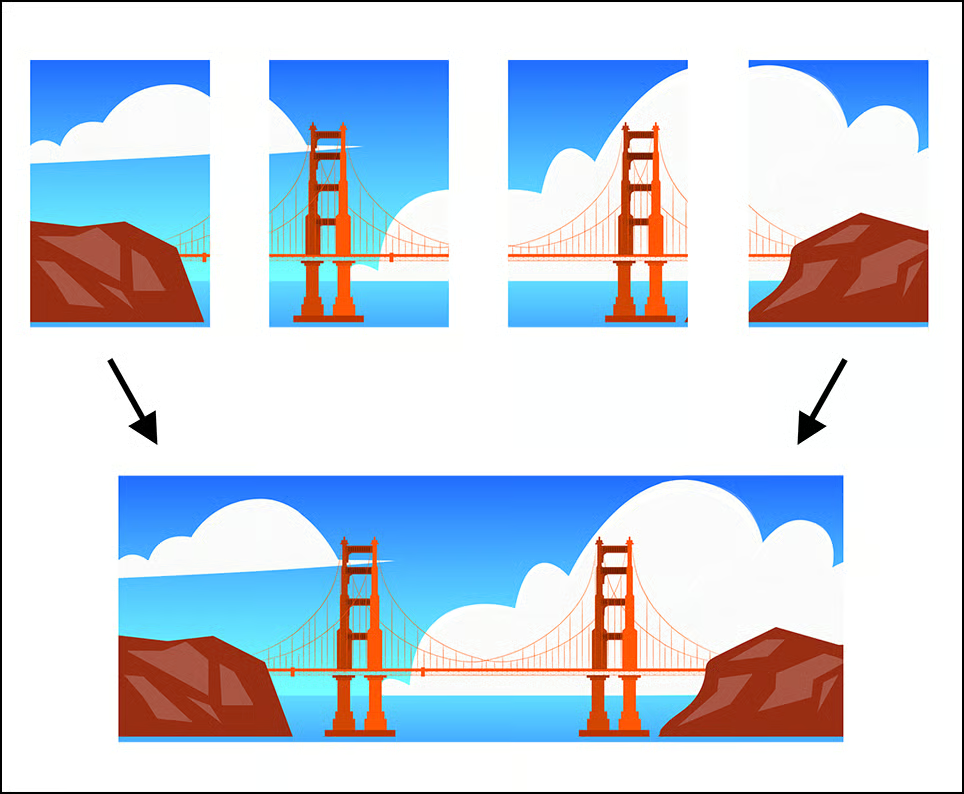
Import RAWs to Lightroom, Capture One, or NX Studio for global adjustments (white balance unify, basic exposure, chromatic aberration). Export 16-bit TIFFs to a stitcher like PTGui or Hugin. With a diagonal fisheye, set lens type to “full-frame fisheye” and establish control points automatically. Industry overlap recommendations: ~30–35% for fisheye, ~20–25% for rectilinear. PTGui’s optimizer will refine lens parameters and produce a seamless equirectangular panorama.
PTGui is the industry standard for fast, reliable stitching and advanced HDR fusion, while Hugin is a capable open-source alternative. PTGui professional review
Cleanup & Enhancement
- Tripod/nadir patch: Use PTGui’s Viewpoint correction, Photoshop’s clone/heal, or AI patching to remove the tripod footprint.
- Color and noise: Apply uniform color corrections; apply noise reduction only where needed (shadows/night shots).
- Leveling: Use horizontal/vertical guides to level the horizon; adjust yaw/pitch/roll so verticals are straight in architectural interiors.
- Export: Output a 2:1 equirectangular JPEG/TIFF. For VR players, 8K–16K width is common; check platform limits.
For end-to-end 360 publishing guidance, the Oculus Creator docs are concise and practical. Using a mirrorless to shoot and stitch a 360 photo
Helpful Video
Useful Tools & Resources
Software
- PTGui panorama stitching (fast, HDR, masks, viewpoint correction).
- Hugin open source (control-point and optimizer power).
- Lightroom / Photoshop for global tone and blemish cleanup.
- AI tripod removal tools for quick nadir patches.
Hardware
- Panoramic heads: Nodal Ninja, Leofoto, Sunwayfoto.
- Carbon fiber tripods with leveling bases.
- Wireless remotes or SnapBridge app.
- Pole extensions, suction/car mounts with safety tethers.
Further reading on lens choices and capture strategies for virtual tours: Camera and lens guide for virtual tours
Real-World Case Studies
Indoor Real Estate
Use 8 around + zenith + nadir at f/8, ISO 64–200 with ±2 EV bracketing. Keep WB fixed around 4000K in mixed lighting and correct globally later. The Z8’s DR preserves window detail; blending in PTGui keeps frames consistent across the room.
Outdoor Sunset
Work fast: 6 around + Z/N at f/8, ISO 64, 1/100–1/200s. Start at the brightest area and proceed in a consistent direction to minimize light change. Consider a second pass one stop brighter for shadow insurance.
Event Crowds
The fisheye’s minimal shot count helps freeze the scene. Use 1/200s+, ISO 400–1600 depending on light. Make two passes and plan seams where foot traffic is lighter; later, mask moving subjects.
Rooftop / Pole Shooting
Wind is the enemy. Add weight to the tripod or guy-lines to the pole. Use 8 around for extra overlap when the rig sways. Safety first: tether the camera, and never shoot over public walkways without a secure rig and spotter.
Car-Mounted Capture
Short exposures (1/250s+), higher ISO if necessary. Stop the car for each rotation if possible. Secure with double suction and a safety strap. Check seam visibility along repeating subjects (fences, lines); increase overlap if needed.
Common Mistakes & How to Avoid Them
- Parallax error: Always rotate around the lens’s entrance pupil. Recalibrate if you add/remove an adapter or filter.
- Exposure flicker: Shoot manual exposure and fixed WB/Kelvin. Avoid Auto ISO for bracket series.
- Tripod shadows and footprints: Shoot a nadir plate or plan for a patch in post.
- Ghosting from movement: Use fewer shots around and capture a second pass to mask in post.
- High-ISO noise: Favor longer exposures over pushing ISO. The Z8 stays clean up to ~ISO 800–1600; beyond that, bracket instead of boosting ISO when possible.
- Adapter sag: With heavy lenses, avoid stressing the mount. Support the lens when moving the rig.
Frequently Asked Questions
- Can I shoot handheld panoramas with the Nikon Z8?
Yes, for quick tests or outdoor scenes. Use IBIS ON, 1/250s+ shutter, and 6 shots around with generous overlap. However, for professional 360° work and interiors, use a tripod and pano head to avoid parallax and framing inconsistencies.
- Is the Sigma 15mm f/1.4 DG DN Diagonal Fisheye Art wide enough for single-row 360?
Yes. On full frame, 6 around + zenith + nadir typically covers the sphere with clean overlap. For tight interiors or safety margin, use 8 around.
- Do I need HDR for interiors with bright windows?
Usually. Bracket ±2 EV (3–5 frames). The Z8’s base ISO 64 gives excellent highlight latitude, but HDR ensures clean window detail and balanced interior tones.
- How do I avoid parallax issues with this combo?
Calibrate the no-parallax point on your pano head. Slide the lens forward/back until near/far objects don’t shift when rotating. Mark the rail position and reuse it. Recheck if you change adapters or add filters.
- What ISO range is safe on the Z8 for low light panoramas?
ISO 64–800 is pristine; ISO 1600 remains very usable. Prefer longer exposures and HDR over pushing to 3200+ unless motion forces higher shutter speeds.
- What’s the best tripod head for this setup?
A two-axis panoramic head (e.g., Nodal Ninja or Leofoto) with precise fore-aft and lateral adjustment. Look for an indexed rotator, Arca compatibility, and a sturdy rail to handle the Sigma’s weight.
- Any special advice when adapting the Sigma DG DN to Nikon Z8?
Use a quality E-to-Z adapter (Megadap ETZ21 Pro or Techart TZE-01) with current firmware. Verify accurate EXIF and AF (if used). Always support the lens when moving and avoid torque on the mount.
Safety, Data Integrity & Trustworthy Workflow
Heavy lenses on adapters demand careful rig handling. Secure the pano head, tighten all knobs, and avoid lifting the setup by the camera body—lift from the tripod apex. In public or elevated locations, add a safety tether. For data safety, the Z8’s dual slots (CFexpress Type B + SD) enable backup recording. After critical shoots, review one full 360 on-site to confirm coverage and sharpness, then capture a second safety round.
Industry best practices on coverage and resolution are summarized here. Spherical resolution considerations
Visual Inspiration
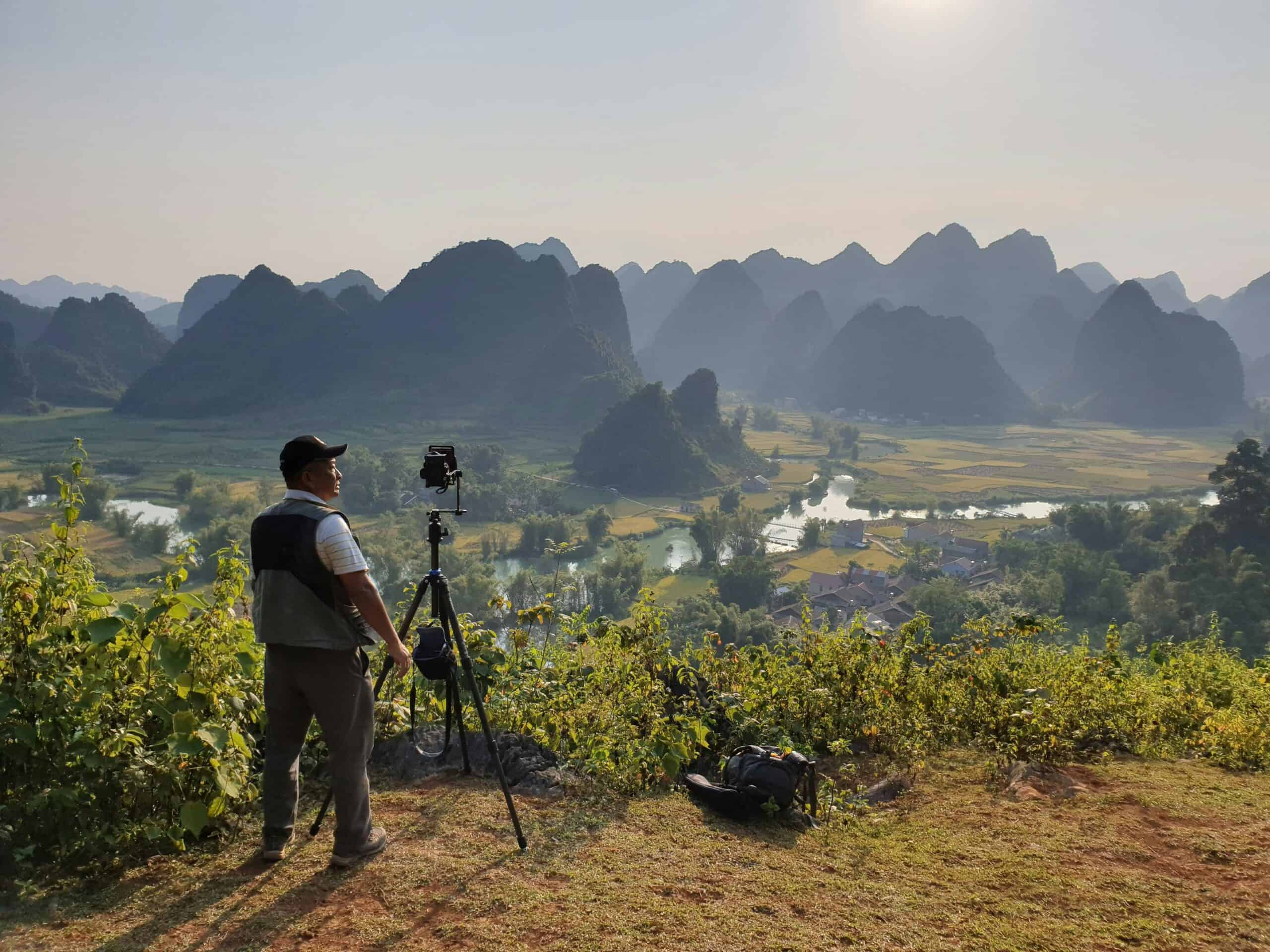
See how a simple, steady setup translates into a clean stitch and immersive 360° scene.
Wrap-up: Mastering How to Shoot Panorama with Nikon Z8 & Sigma 15mm f/1.4 DG DN Diagonal Fisheye Art
If you want speed, reliability, and crisp 360° results, this combo is hard to beat. The Nikon Z8’s high-resolution sensor and stable electronics, combined with the Sigma 15mm DG DN diagonal fisheye, allow minimal frames per sphere with excellent overlap and stitchability. Calibrate the nodal point once, lock exposure and white balance, and use consistent shooting patterns. For stitching, PTGui and Hugin handle fisheye math effortlessly—practice a repeatable workflow and your panoramas will be fast, sharp, and VR-ready. For a primer on perfect high-end 360 shots with a pano head, this resource is a solid companion. Set up a panoramic head for high-end 360 photos