
Why This Camera & Lens Are Great for Panoramas
If you’re wondering how to shoot panorama with Nikon Z8 & Sigma 14–24mm f/2.8 DG DN Art, you’ve chosen a powerhouse combo. The Nikon Z8’s 45.7MP full-frame, stacked CMOS sensor (approx. 35.9 × 23.9 mm) delivers exceptional detail and low noise. At base ISO 64 you get roughly 14 stops of dynamic range, making sky-to-shadow transitions smooth in outdoor scenes and window-heavy interiors. Pixel pitch is about 4.35 µm—fine enough for gigapixel stitches and detailed 360 photos without sacrificing too much low-light performance. The Z8’s fully electronic shutter eliminates shutter shock and its 5-axis IBIS helps when shooting handheld frames; for tripod panoramas you’ll turn IBIS off for consistency.
The Sigma 14–24mm f/2.8 DG DN Art (rectilinear) is razor-sharp across the frame from f/4–f/8, with low coma and chromatic aberration, and minimal linear distortion—ideal for professional 360° panoramas and architectural work. At 14mm you capture a huge field of view per frame, which reduces the number of images needed while keeping straight lines straight—something fisheyes can’t do without defishing. Note that the bulbous front element and fixed hood mean no standard screw-in filters; consider rear gels or a dedicated external holder if you need ND. On Nikon Z, autofocus is fast and quiet, and manual focus aids (magnification + peaking) make it easy to nail the nodal alignment and hyperfocal focus.
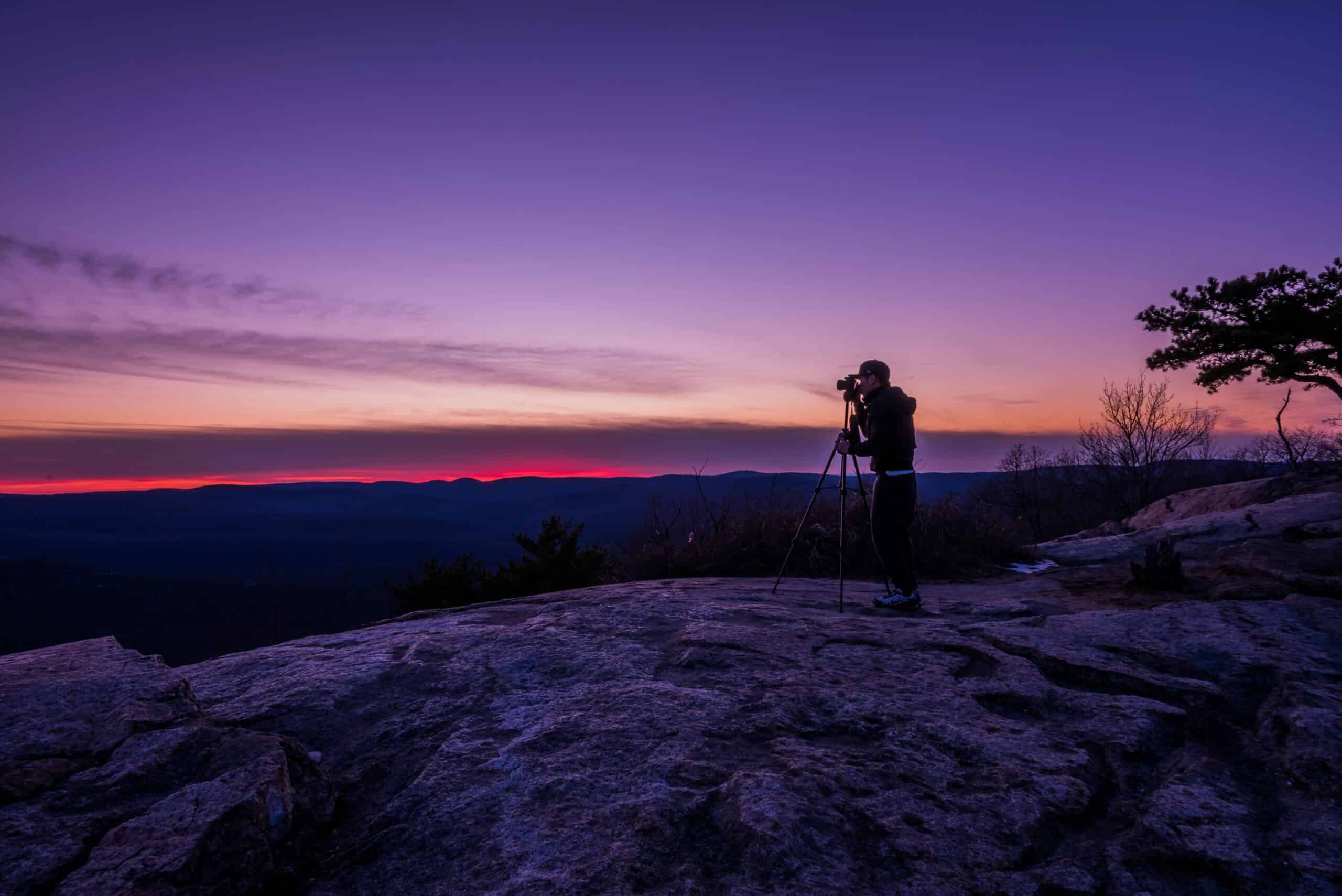
Quick Setup Overview
- Camera: Nikon Z8 — Full-frame 45.7MP stacked CMOS; base ISO 64; ~14 stops DR at base; 5-axis IBIS; electronic-only shutter.
- Lens: Sigma 14–24mm f/2.8 DG DN Art — rectilinear ultra-wide zoom; excellent edge sharpness from f/4–f/8; low CA; bulbous element with fixed hood.
- Estimated shots & overlap (tested on FF, portrait orientation):
- At 14mm for full 360×180: 6–8 shots per row at ±45° tilt (2 rows) + 1 zenith + 1 nadir (≈ 14–18 images). Horizontal step ~50–60° (≈25–30% overlap).
- At 18mm: 8 shots per row at ±45° + 1 zenith + 1 nadir (≈ 18 images; slightly higher overlap margin).
- At 24mm: 9–10 shots per row × 3 rows (−45°, 0°, +45°) + Z/N (≈ 29–32 images). Use 30–35° steps for ~30% overlap.
- Difficulty: Moderate. Rectilinear alignment demands good nodal calibration; rewards you with straight lines and high-resolution stitches.
Planning & On-Site Preparation
Evaluate Shooting Environment
Before you shoot, scan for moving subjects (people, cars, trees in wind), reflective surfaces (glass, polished stone), and strong backlighting. Indoors, back away from large glass panes or mirrors—keeping at least 1–2 meters distance helps reduce flare and ghosting artifacts. In twilight or night scenes, bright point lights demand careful exposure to manage haloing and noise. On rooftops or bridges, factor in wind; even small vibrations can blur long exposures.
Match Gear to Scene Goals
The Nikon Z8’s dynamic range at ISO 64–100 makes it perfect for sunset cityscapes and high-contrast interiors; you can bracket and still retain clean shadows. For interiors, the Sigma 14–24mm at 14–18mm minimizes the number of frames while preserving straight architectural lines—ideal for real estate and virtual tours. If you plan to include moving subjects (events), shoot more overlap at 14mm to give yourself masking options in post. ISO-wise, the Z8 is clean at ISO 64–400; 800 is typically safe for panoramas; 1600 is acceptable with good noise reduction if necessary.
Pre-shoot Checklist
- Charge batteries, format fast cards, clean lens and sensor. Bring a blower for field dust.
- Level your tripod; calibrate the panoramic head for the nodal point with the 14–24mm at your chosen focal length.
- Safety: On rooftops or poles, use a tether and sandbag; avoid edge gusts; keep people clear of the tripod sweep path.
- Backup workflow: Shoot a second full rotation (safety pass) before moving; if light changes, shoot another bracket set.
Essential Gear & Setup
Core Gear
- Panoramic head: Lets you rotate around the lens’s no-parallax point (entrance pupil), eliminating parallax and making stitching clean even with near objects.
- Stable tripod with leveling base: A bowl-leveling base is faster and more precise than adjusting tripod legs.
- Remote trigger or app: Use Nikon SnapBridge or a cable release to avoid vibrations and maintain a steady cadence.
Optional Add-ons
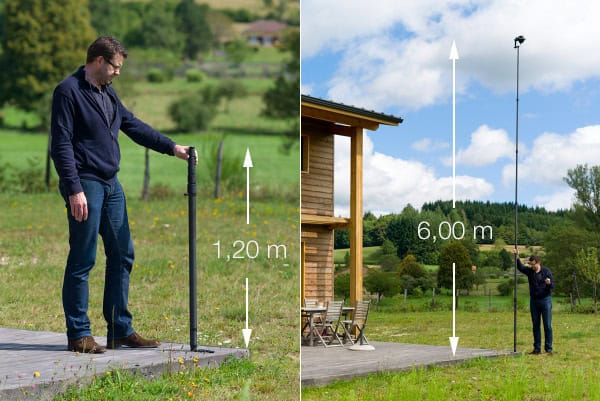
- Pole or car mount: Always tether your gear; mind wind loads. Avoid high speeds in car-mounted captures (keep it slow and steady).
- Lighting aids: Small LEDs for interiors; avoid mixed color temperatures or gel to match ambient for simpler color grading.
- Weather protection: Rain cover, microfiber cloths; the Sigma’s front element needs extra care in drizzle or sea spray.
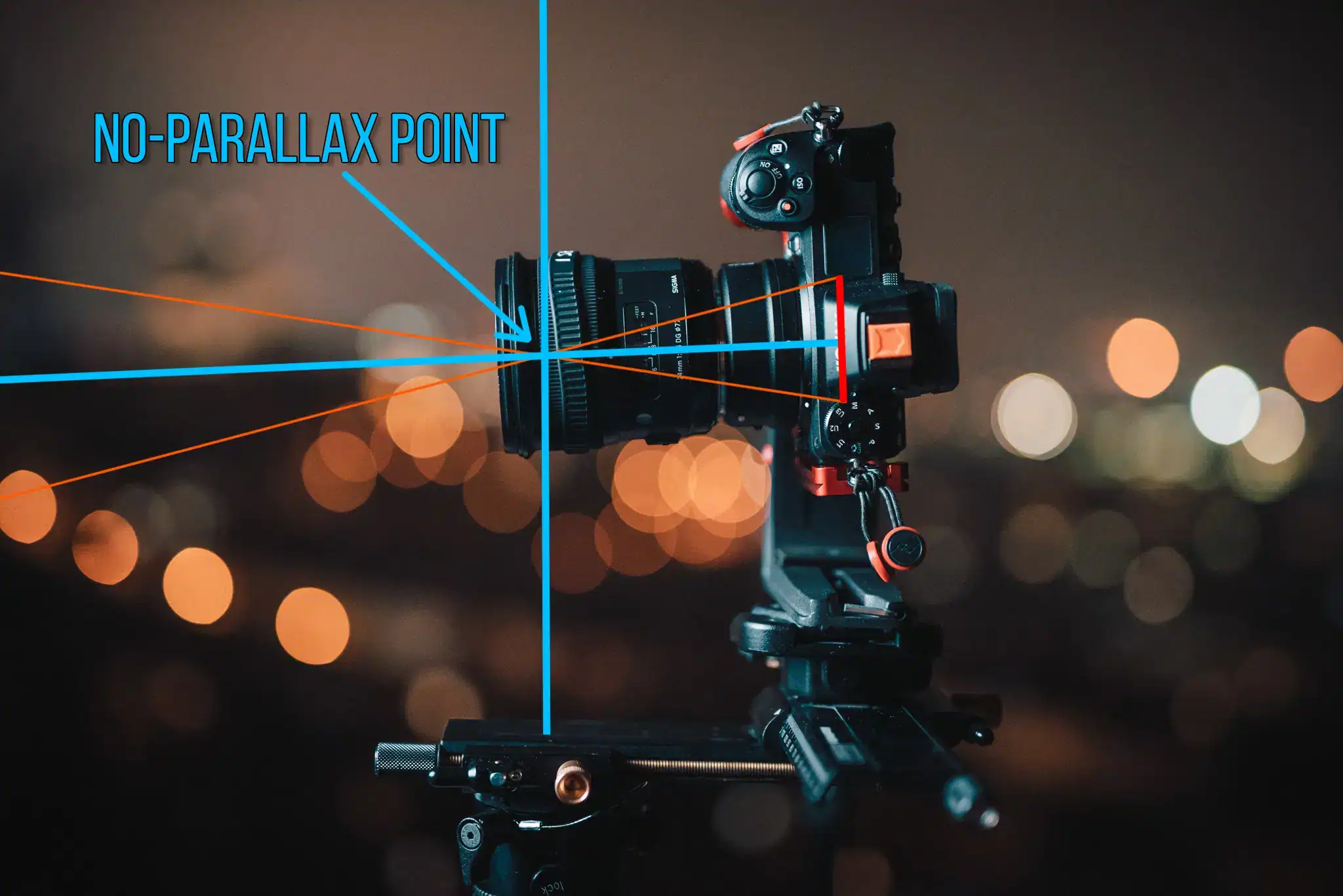
For a deeper walkthrough on panoramic head setup and perfect nodal alignment, see this step-by-step guide from Meta’s Creator resources. Set up a panoramic head to shoot high‑end 360 photos
Step-by-Step Shooting Guide
Standard Static Scenes
- Level tripod and align nodal point. Use two light stands or vertical objects (near/far) to confirm there’s no relative shift as you pan. Mark your rail once calibrated for 14mm and 18mm—these are your most useful focal lengths with this lens.
- Switch to Manual exposure and lock white balance. Set WB to Daylight for sun, Tungsten for warm interiors, or a manual Kelvin value. Consistency is key to avoid stitching seams.
- Focus manually at or near hyperfocal distance. At 14mm and f/8 on full-frame, hyperfocal is roughly 0.8–1.0 m; set focus and then disable AF to keep it locked.
- Capture with tested overlap. At 14mm (portrait), shoot 6–8 frames per row at ±45° tilt to cover top and bottom, then grab one clean zenith and one nadir shot. Rotate in consistent increments—use the head’s detents if available.
- Take a dedicated nadir frame for tripod removal. Either offset the camera for a “viewpoint” shot or plan to patch the nadir in post.
HDR / High Dynamic Range Interiors
- Bracket ±2 EV (3 or 5 frames). The Z8’s bracketing makes this easy—use 2 EV spacing to retain window highlights while keeping shadow noise low.
- Keep WB locked across brackets and rows. Changing WB mid-bracket can cause color seams that are hard to fix.
- Sequence efficiently. Shoot each angle’s full bracket before rotating; keep the same cadence for all nodes to simplify batch processing.
Low-Light / Night Scenes
- Use longer exposures and keep ISO low. For clean skies and building detail, aim for ISO 64–400; ISO 800 is safe; ISO 1600 is acceptable with noise reduction.
- Stabilize everything. Turn IBIS off on tripod, use a remote, and enable Exposure Delay or Self-timer to avoid vibrations.
- Watch for LED banding. The Z8’s electronic shutter can show banding under certain artificial lighting. Use the Hi-Frequency Flicker Reduction settings if you notice stripes.
Crowded Events
- Two-pass method. First, shoot a fast baseline panorama to lock coverage; second pass, wait for gaps and re-shoot problematic frames for easier masking.
- Use shorter shutter or slightly higher ISO (400–800) to freeze motion in the primary pass.
- Mask moving people in post using your second pass frames.
Special Setups (Pole / Car / Drone)
- Pole shots. Keep rotation slow, brace with a strap, and use a safety tether. Avoid strong winds with the large front element of the Sigma.
- Car mounts. Drive slowly on smooth surfaces; avoid speed bumps; prioritize safety over coverage.
- Drones. This combo is too heavy for common drones; consider a native drone system if aerial 360s are essential.
Recommended Settings & Pro Tips
Exposure & Focus
| Scenario | Aperture | Shutter | ISO | Notes |
|---|---|---|---|---|
| Daylight outdoor | f/8–f/11 | 1/100–1/250 | 64–200 | Lock WB (Daylight). Keep horizons level. |
| Low light/night | f/4–f/5.6 | 1/30–2 s (on tripod) | 64–800 | IBIS off on tripod; remote trigger; watch LED banding. |
| Interior HDR | f/8 | Bracket ±2 EV (3–5 frames) | 64–400 | Expose to protect highlights; consistent WB. |
| Action / moving subjects | f/5.6–f/8 | 1/200+ | 400–800 | Freeze motion; plan a second pass for masking. |
Critical Tips
- Manual focus at hyperfocal distance: At 14mm f/8, set ~0.8–1.0 m and disable AF. This ensures foreground-to-infinity sharpness.
- Nodal point calibration: Use near/far object alignment while panning. Mark the rail positions for 14mm and 18mm on tape for repeatability.
- White balance lock: Avoid Auto WB shifts across frames—set Kelvin or a preset.
- RAW over JPEG: Maximizes dynamic range and color latitude for panorama stitching and HDR blending.
- IBIS off on tripod: Keeps frames consistent. If handheld, IBIS can help stabilize a quick sweep.
- Electronic shutter caveat: Under certain artificial lights, use flicker reduction to avoid banding with the Z8.
Field-Proven Case Studies
Indoor Real Estate (Bright Windows)
Sigma at 14mm, Z8 at ISO 64–200, f/8, 3–5 bracketed exposures ±2 EV. Two rows at ±45°, 6–8 shots each, plus clean zenith/nadir. Lock WB (around 3600–4200K for warm interiors) and use a consistent bracket count across all angles.
Outdoor Sunset Skyline
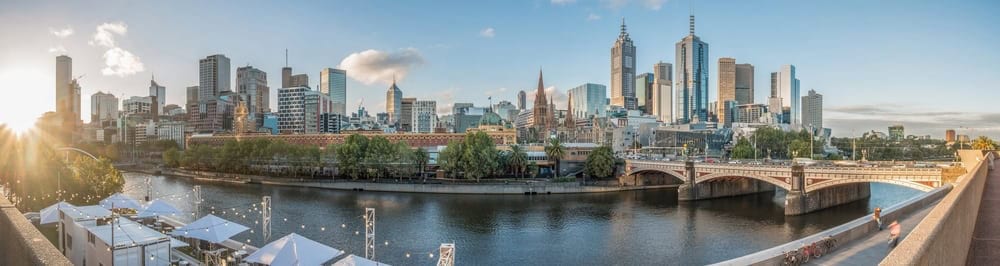
At 14–18mm, ISO 64–100, f/8, 1/60–1/200. Single exposure per node if DR is manageable, or 3-frame bracket for safety. Shoot quickly during peak color; re-run a second pass after 3–5 minutes if the light changes dramatically.
Crowded Event
Use 14mm, ISO 400–800, f/5.6–f/8, 1/200+. Do a fast baseline row, then a careful second pass to fill gaps without people. In post, blend using the clean background from the second pass.
Rooftop / Pole Shooting
Weight and wind are your enemies. Keep the lens pointed slightly away from direct wind, use a leash, and keep rotations slow to minimize sway. Consider shooting at 18mm for slightly tighter FOV and stronger overlap if conditions are unstable.
Stitching & Post-Processing
Software Workflow
Import RAWs into Lightroom or Capture One for base adjustments (WB consistency, lens profile if needed, exposure normalization). Export 16-bit TIFFs to your stitching tool. PTGui is an industry standard for complex 360s; Hugin is an excellent open-source alternative. With a rectilinear 14mm, plan for 25–30% overlap; rectilinear lenses need more frames than fisheyes but keep lines straighter and reduce edge stretching. After stitching into an equirectangular (2:1) master, re-import for finishing touches. For a detailed review of why PTGui excels, see this independent evaluation. PTGui review: creating incredible panoramas
Cleanup & Enhancement
- Nadir patch: Use PTGui’s Viewpoint Correction or a separate clean nadir shot. You can also patch with AI tools or manual cloning.
- Color and noise: Match color across rows; use selective noise reduction for shadow zones, especially if you pushed to ISO 1600.
- Geometry: Level horizon and adjust yaw/pitch/roll; ensure verticals are true for architecture.
- Export: Deliver high-quality JPEGs (e.g., 10–16k wide) for web VR; keep a 16-bit TIFF master for archival and future edits.
For target resolution planning and how many shots to take at different focal lengths and sensors, the Panotools wiki is a great reference. DSLR spherical resolution guide
Useful Tools & Resources
Software
- PTGui panorama stitching
- Hugin open source
- Lightroom / Photoshop / Affinity Photo
- AI tripod removal and object cleanup tools
Hardware
- Panoramic heads (Nodal Ninja, Leofoto, Sunwayfoto)
- Carbon fiber tripods with a 75mm bowl leveling base
- Wireless remote shutters or SnapBridge
- Pole extensions / car suction mounts (with tethers)
Disclaimer: Software and hardware names are provided for search reference; check official sources for compatibility and latest versions.
Common Mistakes & How to Avoid Them
- Parallax error → Calibrate the nodal point for your exact focal length and lock it before shooting.
- Exposure flicker → Manual exposure and locked WB; avoid Auto ISO mid-pan.
- Tripod in frame → Shoot a clean nadir for patching or use viewpoint correction.
- Ghosting from movement → Shoot a second pass and mask in post.
- Night noise → Keep ISO low and use longer exposures on a stable tripod.
- LED banding with Z8 → Enable flicker reduction under artificial lights.
Frequently Asked Questions
- Can I shoot handheld panoramas with the Nikon Z8?
Yes for quick cylindrical or partial panoramas, especially in bright light. Use IBIS on, high shutter speeds, and at least 30% overlap. For full 360×180 or precise architectural work, a tripod and pano head are strongly recommended.
- Is the Sigma 14–24mm f/2.8 DG DN Art wide enough for single-row 360s?
For a full spherical 360×180, single-row is not enough with a rectilinear 14mm. Use two rows at ±45° tilt plus zenith and nadir. If you only need a 360° horizontal (cylindrical), a single row at 14–18mm works great.
- Do I need HDR for interiors with bright windows?
Often yes. Bracketing ±2 EV (3–5 frames) preserves window highlights and interior shadows, and the Z8’s clean base ISO files blend well in PTGui or Lightroom.
- How do I avoid parallax issues with this lens?
Calibrate the entrance pupil for 14mm and 18mm on your panoramic head. Align near/far objects and eliminate relative shift while panning. Mark your rail for repeatable setup.
- What ISO range is safe on the Z8 for low light panoramas?
ISO 64–400 is ideal; 800 is generally safe; 1600 is workable with noise reduction. Prioritize longer exposures over higher ISO when on a sturdy tripod.
Want to go deeper into gear choices and pano technique? This overview of panoramic heads and techniques is a solid primer. Panoramic head tutorial and recommendations
Safety, Care, and Data Protection
The Z8 and Sigma 14–24mm are tough, but the front element attracts fingerprints and rain—carry a microfiber and a lens cloth. In wind, lower the tripod, hang a sandbag, and tether your rig. If you shoot near traffic or edges, keep a spotter and use a safety strap. Always back up your card on-site (laptop + SSD or a dedicated backup device) and consider shooting a duplicate pass before moving to the next location.