
Why This Camera & Lens Are Great for Panoramas
If you want to master how to shoot panorama with Nikon Z8 & Laowa 8-15mm f/2.8 FF Zoom Fisheye, you’ve picked a powerhouse combo. The Nikon Z8’s 45.7MP full-frame stacked BSI sensor (8256×5504 px, ~4.35 µm pixel pitch) delivers exceptional detail and class-leading dynamic range around base ISO 64 (≈14+ stops), which is perfect for HDR panoramas and high-contrast scenes. Add Nikon’s reliable color science, excellent manual focus assists (peaking + magnification), and robust build, and you have a body that handles real-world 360 photo challenges with ease.
The Laowa 8-15mm f/2.8 is a specialty fisheye zoom that gives you both circular fisheye at the wide end and a 180° diagonal fisheye at 15mm. That means fewer shots to cover a full sphere compared to rectilinear lenses, faster capture in changing light, and simpler stitching in PTGui or Hugin. Distortion is intentional (fisheye projection), so you get massive field of view per frame; the tradeoff is that straight lines curve unless you de-fish in post, and you must be precise with nodal (no-parallax) alignment for clean stitches. The lens is fully manual and available in Z-mount, so it mounts natively to the Z8. Expect strong center sharpness from wide open and excellent frame-wide sharpness when stopped to f/5.6–f/8; longitudinal CA is minimal, lateral CA can appear at high-contrast edges but is easy to defringe in post.
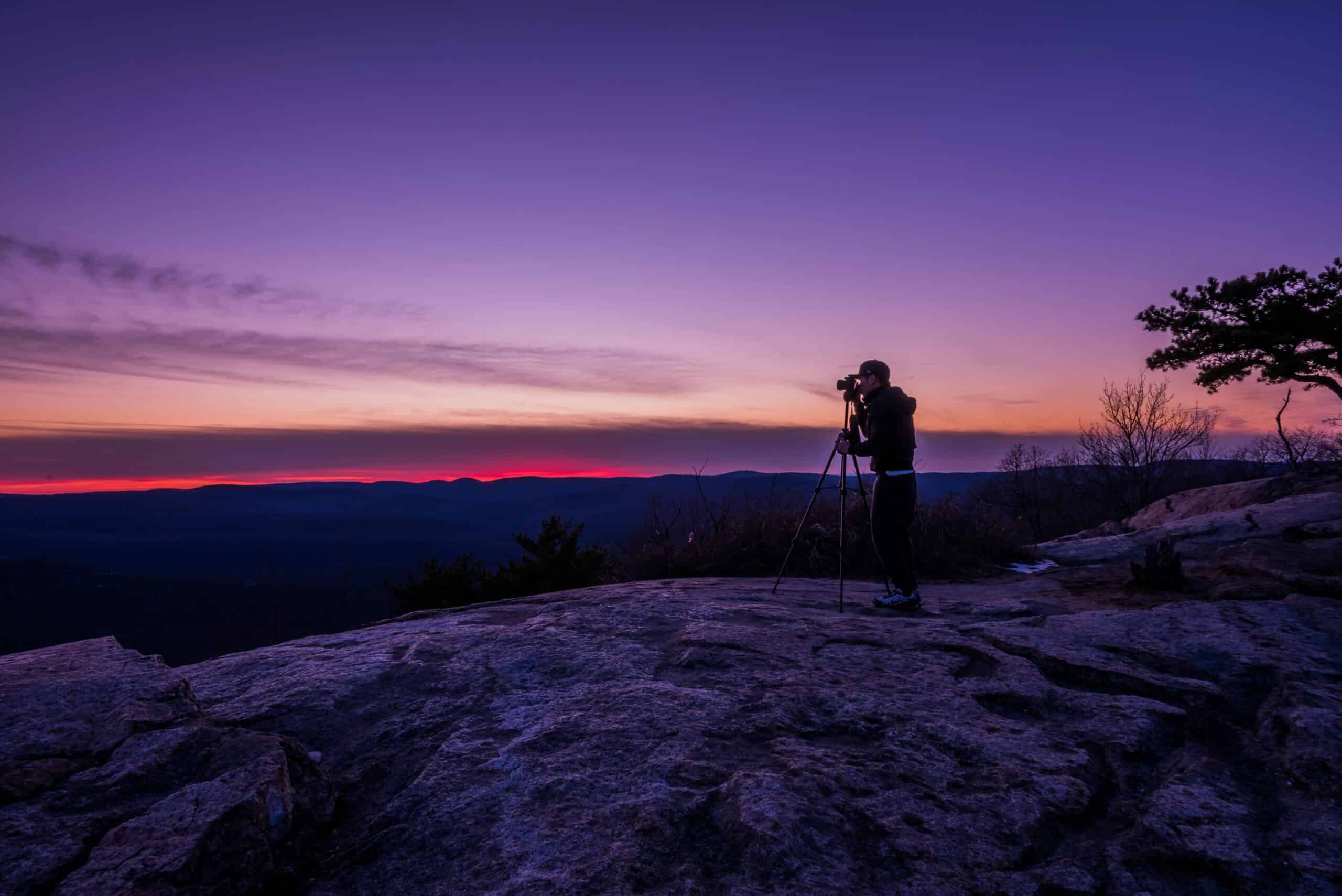
Quick Setup Overview
- Camera: Nikon Z8 — Full-frame (36×24 mm) stacked BSI CMOS, 45.7MP, base ISO 64–25600 (expandable 32–102400), ~14+ stops DR at base, 5-axis IBIS.
- Lens: Laowa 8-15mm f/2.8 FF Zoom Fisheye — manual focus/aperture, circular fisheye at 8mm, diagonal fisheye at 15mm, sharp by f/5.6–f/8, moderate lateral CA.
- Estimated shots & overlap (tested guidelines):
- 8mm circular: 3–4 around (120–90° yaw) + 1 zenith + 1 nadir. For best quality: 4 around + Z + N.
- 10–12mm: 6 around (60° yaw) + Z + N with 25–30% overlap.
- 15mm diagonal: 6–8 around (45–60° yaw) + Z + N; use 30% overlap to help control-point quality.
- Difficulty: Intermediate — fast capture but requires careful nodal alignment and exposure discipline.
Planning & On-Site Preparation
Evaluate Shooting Environment
Walk the scene before you set up. Look for moving subjects (people, cars, trees), reflective surfaces (glass, polished stone), and strong light sources (sun, lamps) that can cause flare or stitching seams. If shooting behind glass, keep the lens as close as possible (1–2 cm) and shade it to reduce reflections. Check wind exposure on rooftops or coastal locations; vibration is your worst enemy for clean stitches.
Match Gear to Scene Goals
The Nikon Z8 shines for panoramas because it holds shadow detail at ISO 64–200 and maintains clean color up to ISO 800–1600 in a pinch. That lets you capture high-quality HDR interiors and low-light cityscapes. The Laowa 8-15mm’s fisheye projection lets you cover the sphere with fewer frames—great for golden-hour light changes or fast-moving crowds—while the Z8’s manual focus aids make critical sharpness easy. For interiors, plan bracketing ±2 EV. Outdoors at sunset, keep ISO at 64–200 to maximize DR and avoid banding from bright signage or LED fixtures.
Pre-shoot Checklist
- Battery & storage: Z8 has strong power management but 45.7MP RAWs are large—carry at least 2–3 high-speed cards and a spare battery.
- Clean optics: Fisheye coverage will see everything, including dust—clean both lens and sensor.
- Tripod & pano head: Level the tripod and ensure the panoramic head is calibrated for the lens’s nodal point.
- Safety: On rooftops or poles, tether your gear; avoid working under heavy wind. For car mounts, confirm all clamps are rated and secure.
- Backup workflow: If time allows, shoot a second safety round (especially for client jobs and HDR interiors).
Essential Gear & Setup
Core Gear
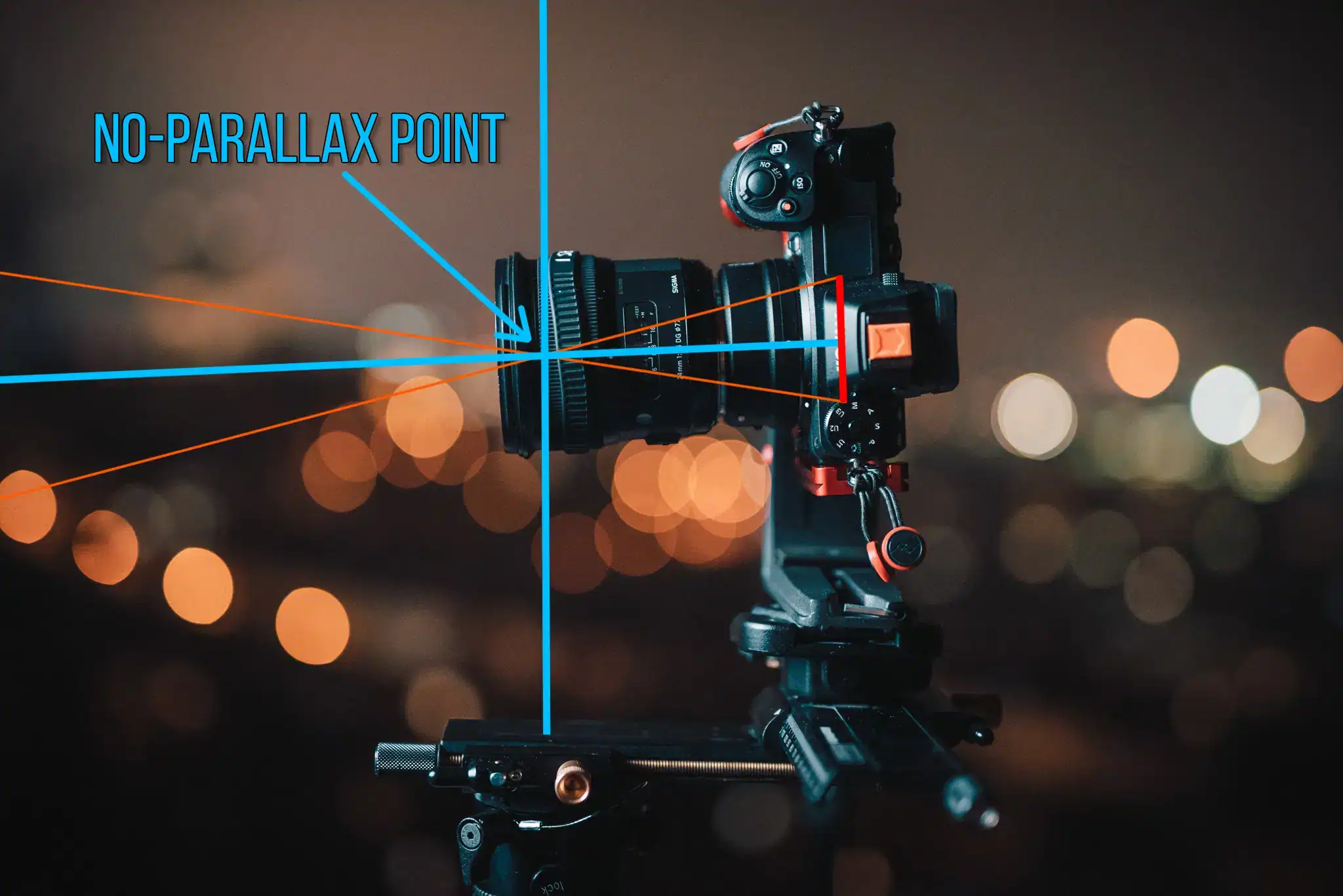
- Panoramic head: A two-axis panoramic head lets you place the lens’s entrance pupil (no-parallax point) precisely over the rotation axes, eliminating parallax and ensuring perfect stitches.
- Stable tripod with leveling base: Level once at the base; then you can rotate smoothly without horizon drift.
- Remote trigger or Nikon SnapBridge app: Avoid vibration and keep a steady shooting cadence.
Optional Add-ons
- Pole or car mount: Great for elevated perspectives—secure with safety tethers and avoid gusty conditions; monitor vibration.
- Lighting aids: Small LED panels for dark interiors (turn off between frames unless you’re keeping them static and constant).
- Weather protection: Rain covers, microfiber cloths; avoid raindrops on the fisheye front element.
Fast Z8 Configuration Tips for Manual Laowa Lenses
- Set Non-CPU lens data: In the Z8 menu, add a custom lens entry around 12mm, f/2.8 for IBIS and metering, then adjust if you stick to a single focal (e.g., 8mm). Assign this to the i-menu for quick changes.
- Manual focus assistance: Enable focus peaking (low sensitivity) and assign magnification to a Fn button for precise checks.
- IBIS: Turn OFF on a solid tripod. Turn ON for handheld or pole work to reduce micro-vibration.
Step-by-Step Shooting Guide
Standard Static Scenes
- Level and align the nodal point: Level your tripod via the leveling base. Adjust the panoramic head so rotation occurs through the lens’s entrance pupil. To find it, place two vertical objects (one near, one far) and adjust the rail until they don’t shift relative to each other while panning.
- Manual exposure + WB lock: Switch to Manual (M), disable Auto ISO, and pick a fixed white balance (Daylight/Tungsten/Kelvin). Take a test frame toward mid-tones and expose to protect highlights.
- Capture your round:
- At 8mm: 4 around at 90° yaw, then 1 zenith and 1 nadir.
- At 12–15mm: 6 around at 60° yaw + Z + N. Use 25–30% overlap.
Keep rotation increments consistent. If the sun is in frame, shade the lens with your hand just outside the frame to reduce flare.
- Nadir (ground) frame: After the main round, raise the vertical arm and offset slightly to shoot a clean ground patch for tripod removal.
HDR / High Dynamic Range Interiors
- Bracket ±2 EV: Use 3–5 frames per view (e.g., -2/0/+2 or -3/-1/+1/+3) to hold windows and shadow detail. The Z8’s base ISO 64 preserves highlights beautifully.
- Lock WB and focus: Keep everything consistent across brackets. Use self-timer or remote to avoid touching the setup.
Low-Light / Night Scenes
- Longer exposures: Use f/4–f/5.6, shutter 1/10–30 s as needed, ISO 64–400 for clean files. The Z8 remains very usable up to ISO 800–1600 if wind or movement forces shorter shutters.
- Stability: IBIS OFF on tripod; use a 2 s self-timer or remote. Watch for LED signage banding—slightly adjust shutter to avoid flicker patterns.
Crowded Events
- Two passes: First for composition, second to wait for gaps. Ask nearby people to pause briefly if possible.
- Post masking: Mask ghosts in PTGui/Photoshop by choosing the cleanest instance of each area.
Special Setups (Pole / Car / Drone)
- Pole: Use a carbon pole with guy lines, tether the camera, and shoot short bursts at each yaw for redundancy. Expect higher overlap (30–40%).
- Car mount: Only on private/controlled roads; hard-mount with suction + safety straps; watch vibrations and avoid high speeds.
Recommended Settings & Pro Tips
Exposure & Focus
| Scenario | Aperture | Shutter | ISO | Notes |
|---|---|---|---|---|
| Daylight outdoor | f/8–f/11 | 1/100–1/250 | 64–200 | Lock WB (Daylight); best micro-contrast on Z8 at ISO 64–100 |
| Low light/night | f/4–f/5.6 | 1/10–1/60 (tripod) | 64–800 | Use remote; watch LED banding; avoid unnecessary ISO pushes |
| Interior HDR | f/8 | Bracket ±2 EV | 64–400 | Protect highlights; 3–5 brackets per view |
| Action / moving subjects | f/5.6–f/8 | 1/200+ | 400–1600 | Freeze motion; consider two-pass capture |
Critical Tips
- Manual focus at hyperfocal: At 8–12mm and f/8, setting focus ~0.5–0.7 m yields sharpness from near foreground to infinity. Confirm with magnification.
- Nodal calibration: Mark your rail positions for 8mm and 12–15mm on gaffer tape so you can repeat them quickly on future shoots.
- White balance lock: Mixed lighting can shift between frames; fix WB (Kelvin) or use a grey card reference and unify in post.
- RAW always: 14-bit RAW on the Z8 gives latitude for highlight recovery and shadow cleanup, especially with HDR.
- IBIS behavior: Off on tripod; On for pole/handheld. With non-CPU lenses, set the focal length in Non-CPU lens data for optimal IBIS.
- Lens hood: Remove it at 8mm if you see “cat-ear” vignetting; watch for tripod legs and your feet entering the frame.
Stitching & Post-Processing
Software Workflow
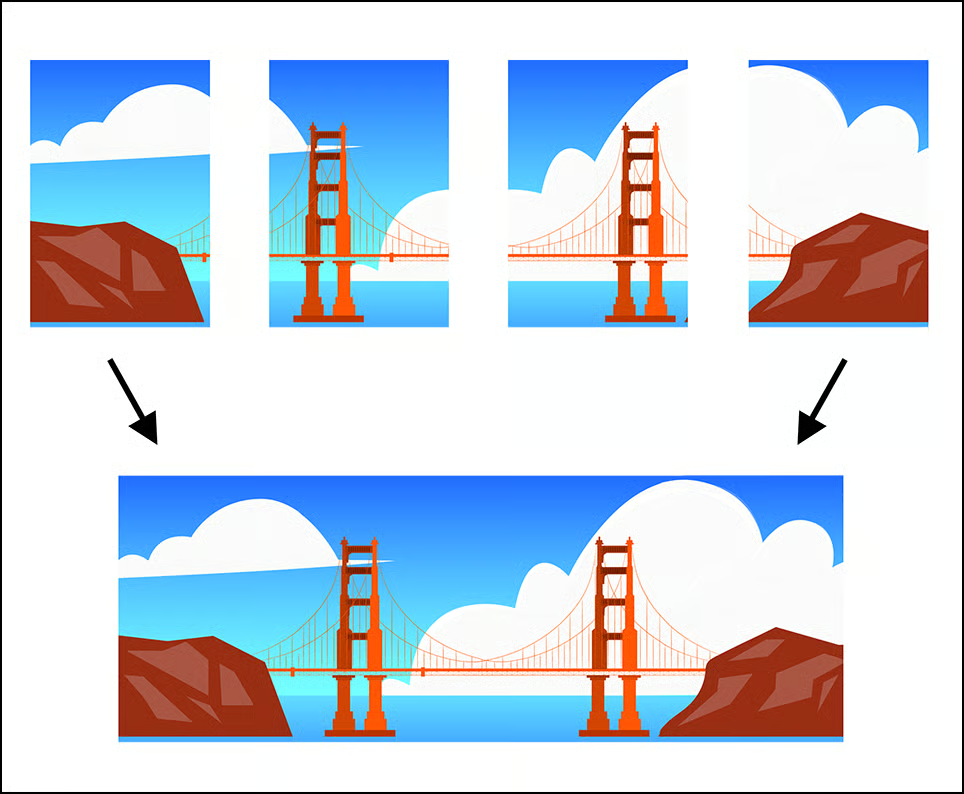
Import RAWs into Lightroom or Capture One, apply lens-neutral settings (disable automatic distortion for fisheye), consistent color/WB, and basic noise reduction. Export 16-bit TIFFs into PTGui or Hugin. Fisheye lenses are generally easier to stitch thanks to broad overlap and predictable projection—use 25–30% overlap and let the software detect a fisheye model. Rectilinear lenses need more shots and tighter control points. For virtual tours, export an equirectangular 2:1 image (e.g., 16000×8000 for a Z8 single-row fisheye pano) and validate the horizon and level before publishing. For a deep dive on field-tested techniques and head setup, see the panoramic head tutorial at 360 Rumors. Panoramic head setup guide
Cleanup & Enhancement
- Nadir patch: Use PTGui Viewpoint Correction or clone in Photoshop. AI content fill can speed this up but check for repeating textures.
- Color & noise: Match color across frames; apply conservative NR to protect fine detail. Z8 files tolerate modest luminance NR well.
- Level horizon: Use pitch/roll/yaw controls in PTGui/Hugin to get a level horizon and correct verticals in interiors.
- Output: Save a high-res equirectangular TIFF for archive and a JPEG (quality 90–95) for the web. For VR platform specs, Meta’s DSLR/ML tutorial is concise. DSLR/Mirrorless 360 stitching guide
Recommended Deep Dives
If you’re choosing a stitcher, PTGui is popular for speed and control; Fstoppers’ review explains why pros rely on it. PTGui detailed review
Useful Tools & Resources
Software
- PTGui panorama stitching
- Hugin (open source)
- Lightroom / Photoshop / Affinity Photo
- AI tripod removal / content-aware fill
Hardware
- Panoramic heads: Nodal Ninja, Leofoto, Sunwayfoto
- Carbon fiber tripods with leveling bases
- Wireless remote shutters or SnapBridge app
- Pole extensions and vehicle mounts (with safety tethers)
Disclaimer: product names are for reference—check official documentation for compatibility with Nikon Z8 and the Laowa 8–15mm.
Field-Proven Case Studies
Indoor Real Estate (Mixed Lighting)
Mount Z8 + Laowa at 12mm, f/8, ISO 64, bracket ±2 EV, 6 around + Z + N. Lock WB to 4000–4500K for warm interiors. In post, merge brackets first (if using HDR in LR) or let PTGui handle bracket sets per view. Viewpoint correction helps when the nadir must be offset.
Outdoor Sunset (Windy Rooftop)
Use 8mm to reduce total frames. f/8, ISO 64–100, 4 around + Z + N. Increase overlap to 30–35% to mitigate any micro-movement. Shade the lens when the sun enters the frame; shoot a second safety round after the sun dips for an easier stitch of the critical seam.
Crowded Event (Fast Capture)
At 8–10mm, shoot 4–6 around, single exposure to avoid bracket-induced movement. Do two full passes and pick the cleanest frames for each direction to minimize ghosting. Z8’s responsive EVF and quick write speeds help maintain cadence.
Rooftop Pole Shot
Keep the pole vertical, IBIS ON, use 1/250 s or faster at ISO 400–800 if needed. Expect to increase overlap to 35–40%. Always use a safety tether and never operate over crowds.
Safety, Protection & Reliability
- Wind and vibration: Heavier heads and long poles amplify wobble; add weight to the tripod center hook or postpone the shoot.
- Weather: Water drops on a fisheye are visible everywhere—carry a rain hood and microfiber; wipe between frames if needed.
- Backups: Dual card writing is not on Z8, so rotate cards frequently, and copy to portable SSDs after each location.
- LED flicker: The Z8 uses an electronic shutter; if you see banding, change shutter speed slightly (e.g., 1/50 → 1/60) or enable flicker reduction.
Common Mistakes & How to Avoid Them
- Parallax error → Use a calibrated panoramic head and ensure the entrance pupil is centered on rotation axes.
- Exposure flicker → Manual exposure and fixed white balance; disable Auto ISO.
- Tripod shadows/feet in frame → Shoot a dedicated nadir and patch; watch your stance with fisheye coverage.
- Ghosting from movement → Shoot two passes and mask; increase overlap in busy scenes.
- High-ISO noise at night → Prefer longer shutter at low ISO on tripod; the Z8 is clean to ISO 800–1600, but lower is better for large prints.
Frequently Asked Questions
- Can I shoot handheld panoramas with the Nikon Z8?
Yes, especially at 8–10mm where fewer frames are needed. Enable IBIS, use 1/200 s or faster, and keep generous overlap (35–40%). However, a tripod with a panoramic head remains essential for critical work to avoid parallax and stitching errors.
- Is the Laowa 8-15mm wide enough for single-row 360?
Absolutely. At 8mm circular fisheye, 4 frames around plus zenith and nadir typically cover the sphere. At 12–15mm, plan for 6–8 around plus Z+N for safer overlap and better edge sharpness.
- Do I need HDR for interiors with bright windows?
Usually yes. The Z8 has excellent DR, but bracketing ±2 EV (3–5 frames) preserves both window views and shadow detail, giving you cleaner, more natural results after blending.
- How do I avoid parallax issues with this lens?
Calibrate the entrance pupil on your panoramic head for the focal lengths you use (e.g., marks for 8mm and 12mm). Use near/far object alignment to fine-tune, and avoid changing focus distance after calibration.
- What ISO range is safe on the Z8 in low light?
On a tripod, keep ISO at 64–400 for maximum quality. If movement forces faster shutters, ISO 800–1600 remains very usable; beyond that, plan for noise reduction in post.
- Can I set custom modes for pano on the Z8?
Yes—add your pano essentials to the i-menu (Non-CPU lens selection, WB, peaking). Save Shooting/Custom Banks with Manual mode, ISO 64–200, WB fixed, and IBIS OFF for tripod work, and a separate bank with IBIS ON for pole/handheld.
- How do I reduce flare with a fisheye?
Keep the sun just outside the frame edge when possible, shade the front element with your hand or a flag, and shoot a second safety frame in case a flare pops—then mask the cleaner one in post.
- What panoramic head should I choose?
Look for a two-axis head with fine rails and clear scales (e.g., Nodal Ninja, Leofoto). A leveling base saves time, and an arca system speeds setup. For background on gear choices, see this DSLR/virtual tour guide. DSLR & virtual tour gear guide
Visual Notes
Wrap-up: A Proven 360° Workflow
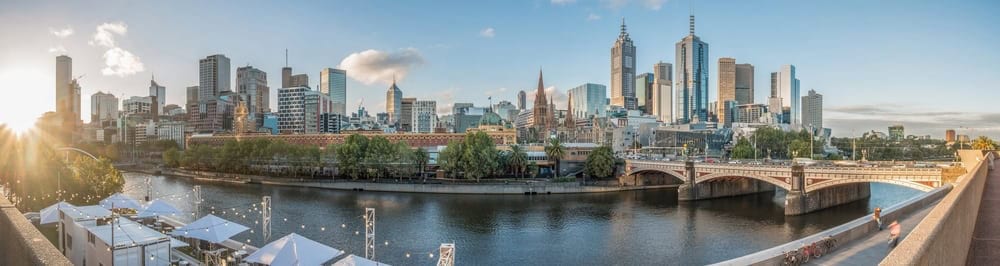
To master how to shoot panorama with Nikon Z8 & Laowa 8-15mm f/2.8 FF Zoom Fisheye, keep it simple and repeatable: stable support, nodal calibration, locked exposure/WB, disciplined overlap, and a clean stitch in PTGui or Hugin. The Z8’s superb sensor, combined with a fisheye zoom that minimizes frame count, turns challenging scenes—interiors, sunsets, busy streets—into reliable, high-quality 360 photos. Practice your rotation cadence, mark your rails, and save your camera banks. Your panoramas will become faster to capture and cleaner to stitch every time.