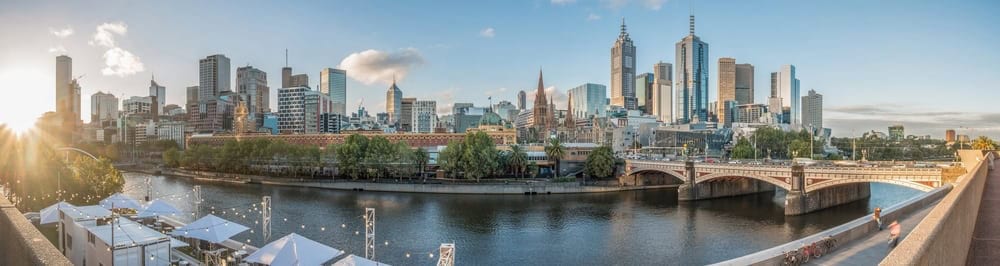
Why This Camera & Lens Are Great for Panoramas
If you’re searching for how to shoot panorama with Nikon Z8 & Fujifilm XF 10-24mm f/4 OIS WR, here’s the first thing to know: the Nikon Z8 (full-frame, Nikon Z-mount) and the Fujifilm XF 10–24mm f/4 (APS‑C, Fuji X‑mount) are not physically compatible. There is no practical adapter that maintains infinity focus and electronic control from a Fujifilm X‑mount lens to a Nikon Z body. That said, both are outstanding tools for panoramic photography—just not on the same body.
There are two easy paths forward that keep the spirit of this guide intact:
- Use the Nikon Z8 with a functionally similar ultra‑wide rectilinear Z‑mount lens such as the NIKKOR Z 14–30mm f/4 S (or 14–24mm f/2.8 S). This is the recommended route if you own the Z8.
- Use the Fujifilm XF 10–24mm f/4 OIS WR on a Fujifilm X‑series body (e.g., X‑T5/X‑T4/X‑H2). You’ll get an equivalent field of view to about 15–36mm on full‑frame—fantastic for architecture and landscapes.
Why this gear shines for panoramas: the Nikon Z8’s 45.7MP stacked full-frame sensor (approx. 36 × 24 mm; pixel pitch ~4.35 µm) delivers excellent dynamic range (~14+ EV at base ISO), low read noise, and a fully electronic shutter that eliminates vibration. The Z8’s IBIS helps when you’re off-tripod. The Fujifilm XF 10–24mm f/4 OIS WR is a sharp, lightweight rectilinear zoom with weather resistance, updated stabilization, and consistent rendering across the frame—particularly good at f/5.6–f/8 for corner sharpness. Together—or rather, in their proper pairings—they enable high-quality 360 photos, architecture panoramas, and expansive landscapes with minimal distortion when you apply the right technique.
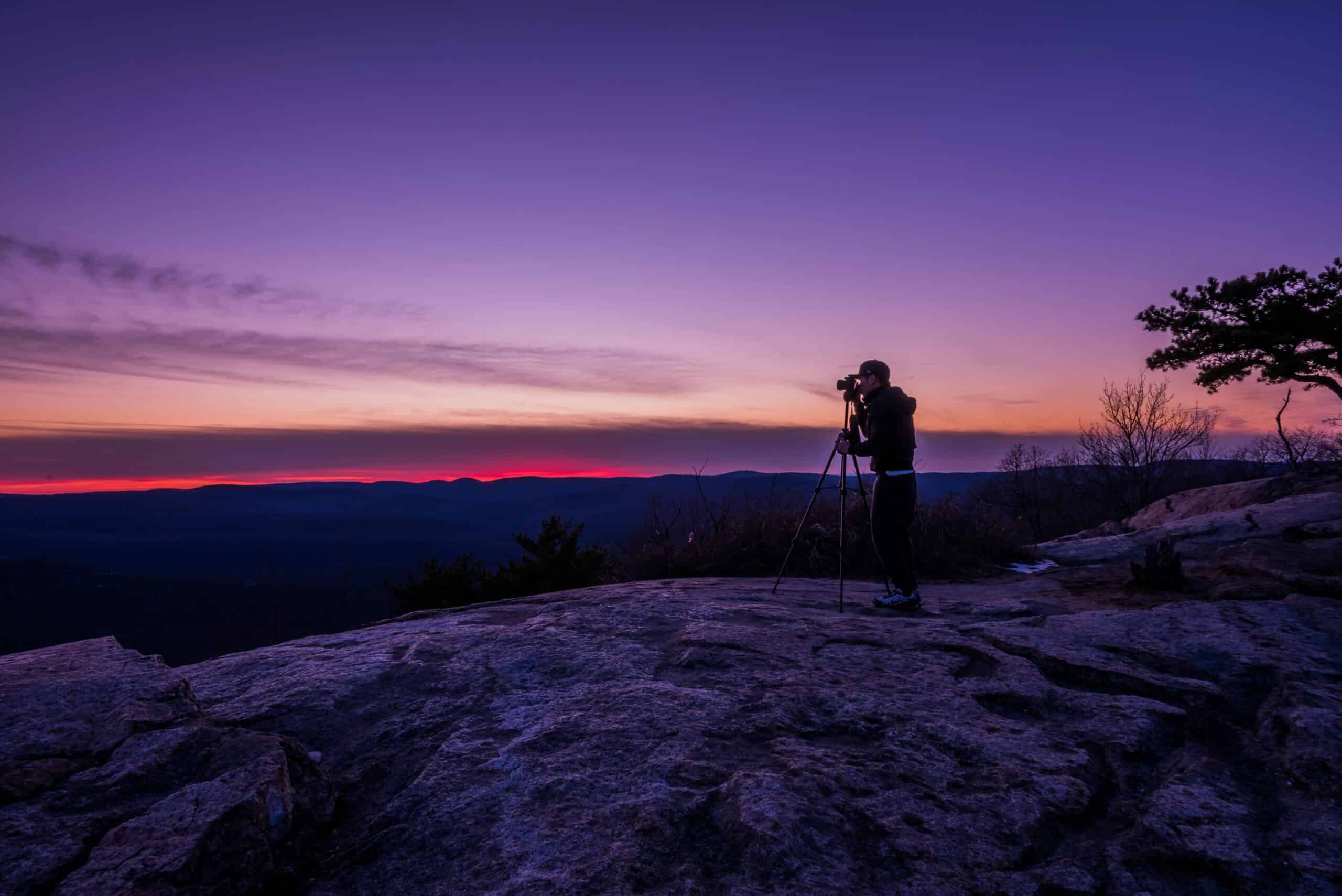
Quick Setup Overview
- Camera: Nikon Z8 — 45.7MP full-frame stacked CMOS; base ISO 64; excellent DR; 5-axis IBIS; fully electronic shutter (no shutter shock).
- Lens: Fujifilm XF 10–24mm f/4 OIS WR — rectilinear APS‑C zoom, weather‑resistant, OIS; sharpest around f/5.6–f/8; moderate barrel distortion at 10mm, easily corrected in post.
Important: This lens mounts on Fujifilm X bodies. For Z8, use a comparable Z‑mount ultra‑wide (e.g., NIKKOR Z 14–30mm f/4 S). - Estimated shots & overlap (tested, rectilinear):
- Full-frame 14mm (Z8 + 14–30/4): 8 shots around with 30–35% overlap + zenith + nadir. For higher resolution, do 2 rows (e.g., 6 at +30° and 6 at −30°) + zenith + nadir.
- APS‑C 10mm (Fuji + XF 10–24/4): 8 shots around (30% overlap) + zenith + nadir. Two-row workflow recommended for interiors/complex ceilings.
- Longer focal lengths (20–24mm FF equivalent): 12–16 shots around (25–30% overlap) + zenith + nadir.
- Difficulty: Moderate. Rectilinear lenses require more shots than fisheyes but deliver straighter lines—great for real estate and architecture.
Planning & On-Site Preparation
Evaluate Shooting Environment
Walk the scene before setting up. Identify moving elements (people, traffic, foliage), strong light sources (windows, sun, LED signs), reflective surfaces (glass, polished floors), and potential flare producers. If shooting near glass, place the lens close (2–5 cm) and shoot at a slight angle to reduce reflections; use a rubber lens hood if needed. Avoid direct backlight at ultra-wide focal lengths to minimize veiling flare and ghosting.
Match Gear to Scene Goals
For a Nikon Z8 user, the big draw is dynamic range and resolution: base ISO 64 gives very clean shadows, while ISO 100–400 remains essentially spotless for stitched work. The Z8’s IBIS helps when you must handhold a partial panorama outdoors. For interiors or architecture where straight lines matter, a rectilinear ultra-wide (e.g., Z 14–30/4) is ideal.
For a Fujifilm shooter with the XF 10–24mm f/4 OIS WR, the lens’ 15–36mm full‑frame equivalent range gives you flexibility: 10–12mm for tight interiors; 16–24mm for multi-row outdoor panos. OIS helps when handholding quick panos, but turn it off on a tripod to prevent micro-shifts during exposure.
Pre-shoot Checklist
- Battery & cards: Two batteries minimum. Panorama + HDR bracketing consumes power and storage fast.
- Optics: Clean the front element and filters; check the sensor for dust—clones on 8–20 frames get tedious.
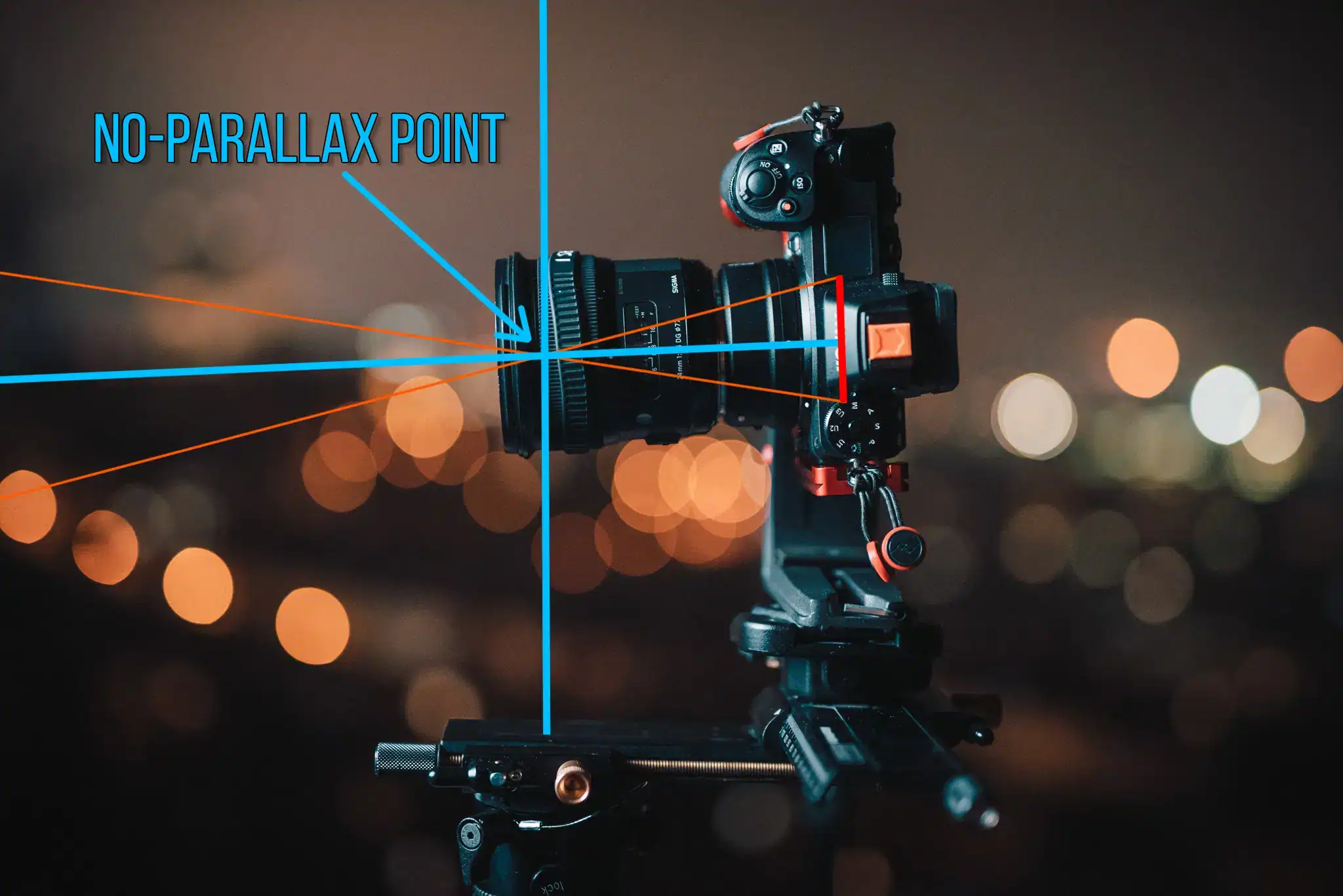
- Support: Leveling base, calibrated panoramic head with rails marked for this lens/body. Verify the no‑parallax (entrance pupil) point before critical shoots.
- Safety: Inspect tripod locks, wind conditions, and site rules (rooftops, balconies). Use a safety tether on exposed locations, poles, or car mounts.
- Backup plan: Shoot an extra round at a different exposure or slightly different overlap in case of alignment issues.
Essential Gear & Setup
Core Gear
- Panoramic head: Allows you to rotate around the lens’ entrance pupil (commonly called the “nodal point”) to eliminate parallax and ease stitching. Sliding rails let you fine‑tune alignment for each focal length.
- Stable tripod with leveling base: Keeps the rotation axis perfectly vertical—essential for clean horizons and fast stitching.
- Remote trigger or app: Prevents vibrations. On Z8, the fully electronic shutter already minimizes shake; a remote makes multi-shot HDR sequences painless.
Optional Add-ons
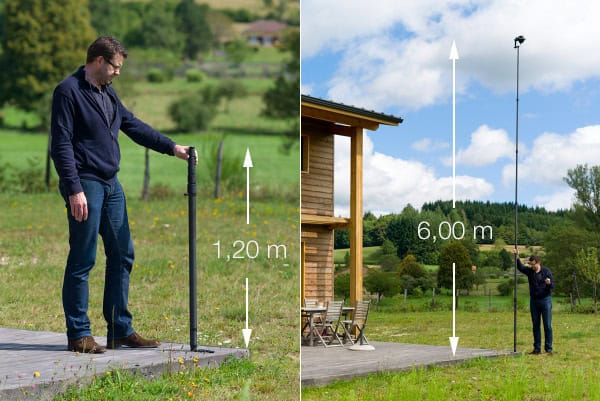
- Pole or car mount: Great for elevated or moving perspectives. Use guy lines on poles in wind and a safety tether; keep car speeds low and avoid rough surfaces to reduce vibration.
- Lighting aids: Small LED panels or bounced flash help interiors. Keep lighting consistent between frames.
- Weather protection: Rain covers and lens hoods; WR lenses like the XF 10–24 WR help, but your body and head also need protection.
For a deeper dive into setting up a panoramic head, this illustrated guide is a solid reference at the end of your prep: Panoramic head setup tutorial.
Step-by-Step Shooting Guide
Standard Static Scenes
- Level and align: Level the tripod using the leveling base. Mount the panoramic head and set the lens to the planned focal length (e.g., 14mm on Z8, 10–12mm on Fuji). Slide the rails to your pre‑marked entrance pupil position so the camera rotates without foreground–background shift.
- Lock exposure and white balance: Use Manual mode for exposure and a fixed white balance (Daylight, Tungsten, or a custom Kelvin). Locking these prevents frame-to-frame flicker and color shifts that complicate stitching.
- Capture with sufficient overlap: For 14mm FF or 10mm APS‑C, shoot 8 frames around with 30–35% overlap. Then capture zenith (tilt up) and nadir (tilt down). If ceilings or floors are complex, add a second row for more coverage.
- Nadir strategy: Take one or more offset nadir shots after lifting the tripod slightly or shifting the head to patch the tripod footprint later.
HDR / High Dynamic Range Interiors
- Bracket ±2 EV (3 or 5 frames): This balances bright windows against interior shadows. On Z8 at ISO 64–100, highlights hold extremely well; shadows lift cleanly when bracketed.
- Keep color constant: Lock white balance and turn off Auto Lighting Optimizer/DRO‑style features to maintain consistency across brackets.
- Sequence planning: Shoot your entire around-the-room sequence at each exposure level before switching EV (or use auto-bracket). Consistent order reduces stitch mismatches.
Low-Light / Night Scenes
- Prioritize stability: Use a tripod, remote trigger, and turn off stabilization (IBIS/OIS) on a locked-down setup to prevent micro‑drift. The Z8’s electronic shutter is vibration-free; mind LED banding under certain lights—use slower shutter speeds when possible.
- Use safe ISO: On Z8, ISO 64–400 is pristine; 800–1600 is still very usable for pano stitches. On Fuji APS‑C, aim for ISO 160–800; stretch to 1600 if necessary and apply noise reduction in post.
- Long exposures: Start near f/5.6–f/8, ISO 100–200, and build shutter time as needed (1–10 s). Trigger via remote or app, not the shutter button.
Crowded Events
- Two passes: First pass for framing and coverage; second pass waiting for gaps in moving crowds. Mask and blend people in post for a cleaner panorama.
- Shorter shutter: Use 1/200 s or faster to freeze motion if movement is part of the story; otherwise let people blur to reduce ghosting artifacts.
Special Setups (Pole / Car / Drone)
- Pole work: Use lightweight gear, safety tethers, and guy lines. Keep exposures shorter to reduce sway. Consider 2–3° incremental rotations instead of large jumps.
- Car-mounted: Drive slowly on smooth surfaces, use dampers, and plan for increased overlap (35–40%). Expect to mask moving foregrounds during stitching.
- Drone: When legal and safe, a rectilinear wide lens requires multi-row sequences and careful yaw/pitch control; shoot RAW and lock WB.
Recommended Settings & Pro Tips
Exposure & Focus
| Scenario | Aperture | Shutter | ISO | Notes |
|---|---|---|---|---|
| Daylight outdoor | f/8–f/11 | 1/100–1/250 | 100–200 | Lock WB (Daylight) |
| Low light/night | f/4–f/5.6 | 1/30–1/60 (longer on tripod) | 400–800 (Z8 ≤1600 ok) | Tripod & remote; keep ISO conservative |
| Interior HDR | f/8 | Bracket ±2 EV | 100–400 | Balance windows & lamps |
| Action / moving subjects | f/5.6–f/8 | 1/200+ | 400–800 | Freeze motion, consider a double pass |
Critical Tips
- Focus: Use manual focus around the hyperfocal distance. At 14mm FF f/8, focusing ~1 m keeps near‑to‑infinity sharp; at 10mm APS‑C f/8, ~0.7–0.8 m works well.
- Nodal point calibration: Place a nearby foreground object and a distant background object aligned in the frame. Rotate on the pano head; slide the rail until there’s no relative shift. Mark rail positions for common focal lengths.
- White balance: Lock WB (don’t use Auto). Mixed lighting? Set Kelvin manually or shoot a gray card and sync in post.
- RAW over JPEG: RAW gives you more latitude for HDR merges, color casts, and noise reduction—critical for night and interiors.
- Stabilization: On tripod, turn off IBIS (Z8) and OIS (XF 10–24). Handheld partial panos can benefit from stabilization, but avoid during bracketed sequences to keep alignment consistent.
- Electronic shutter notes (Z8): Great for vibration-free capture. Under some LED/rolling light sources, test for banding and adjust shutter speed or frequency if needed.
Stitching & Post-Processing
Software Workflow
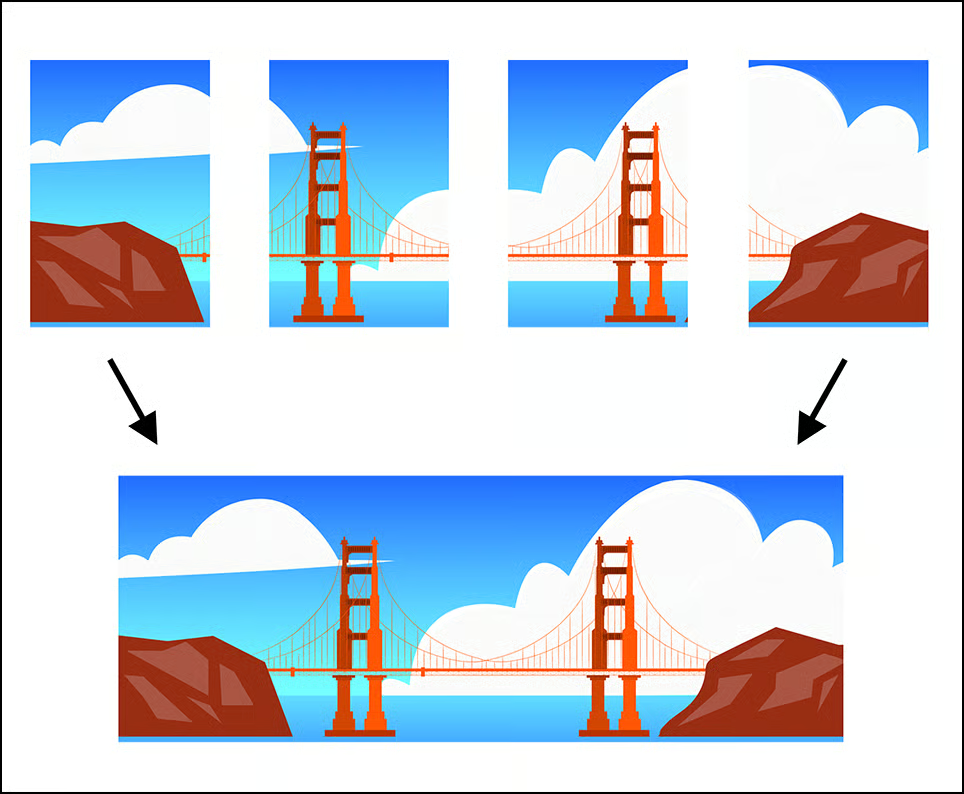
Import RAW files, apply lens profiles, and synchronize exposure/WB across each row. For HDR panoramas, first merge brackets per view (e.g., in Lightroom or within PTGui’s HDR merge) then stitch the resulting exposures. Rectilinear lenses typically need more frames than fisheyes, but reward you with straight lines—ideal for architecture. Aim for 25–35% overlap. PTGui remains a gold standard for complex 360 photo work and precise control points, especially with multi-row rectilinear sets. For a practitioner’s perspective, see this review: PTGui for professional panoramas.
Cleanup & Enhancement
- Nadir patch: Capture an offset ground shot and patch the tripod footprint. You can clone manually or use AI‑assisted tools.
- Color and noise: Match color across rows; reduce noise on shadows carefully after stitching (or pre‑stitch on bracketed HDR outputs).
- Leveling: Correct horizon and remove roll/pitch/yaw errors with your stitcher’s optimizer or post tools.
- Export: For VR, export equirectangular 2:1 JPEG/PNG/TIFF. Keep 8K–16K on high‑resolution projects; use 4K–6K for web speed.
If you’re new to DSLR/mirrorless 360 workflows, this guide gives a concise overview of the end‑to‑end process: Using a mirrorless camera to shoot and stitch a 360 photo.
Useful Tools & Resources
Software
- PTGui panorama stitching
- Hugin open source
- Lightroom / Photoshop
- AI tripod removal / content-aware fill tools
Hardware
- Panoramic heads (Nodal Ninja, Leofoto)
- Carbon fiber tripods
- Leveling bases
- Wireless remote shutters
- Pole extensions / car mounts (with safety tethers)
Reference on spherical resolution and shot planning for DSLR pano rigs: Panotools: DSLR spherical resolution.
Common Mistakes & How to Avoid Them
- Parallax error: Not rotating around the entrance pupil. Solution: Calibrate and mark your rail positions; recheck after changing focal lengths.
- Exposure flicker: Auto exposure/WB between frames. Solution: Manual exposure and locked WB.
- Tripod shadows and footprints: No nadir plan. Solution: Shoot an offset nadir for patching.
- Ghosting from people/trees: Movement between frames. Solution: Shoot fast shutters or capture a second pass to mask in post.
- Night noise and banding: High ISO or problematic LED lighting. Solution: Lower ISO, use longer exposures on tripod, and test shutter speeds for banding.
Frequently Asked Questions
-
Can I mount the Fujifilm XF 10–24mm f/4 OIS WR on the Nikon Z8?
No. The mounts and flange distances are incompatible, and there’s no practical adapter that preserves infinity focus and control. Use the XF 10–24 on a Fujifilm X body, or use a similar Z‑mount ultra‑wide on the Z8 (e.g., NIKKOR Z 14–30mm f/4 S).
-
Is a rectilinear ultra‑wide lens wide enough for a single-row 360?
Often no. Rectilinears typically need multi‑row coverage for full spherical panoramas, plus dedicated zenith and nadir shots. At 14mm (FF) or 10mm (APS‑C), 8 around + zenith + nadir is a starting point; for tight interiors or complex ceilings, add a second row.
-
Can I shoot handheld panoramas with the Nikon Z8?
Yes for partial panoramas (e.g., 120–180°) if you keep overlap generous (30–40%) and use IBIS. For spherical or architecture work, use a tripod and pano head to avoid parallax errors that ruin straight lines.
-
Do I need HDR for interiors with bright windows?
Usually yes. Bracket ±2 EV (3–5 frames) to hold window highlights and interior shadows. Merge brackets per angle, then stitch the merged images. This minimizes ghosting and exposure mismatch.
-
What ISO range is safe on the Z8 in low light?
For tripod-based pano work, try ISO 64–400. ISO 800–1600 remains very usable if you need faster shutters. For Fuji APS‑C bodies with the XF 10–24, aim for ISO 160–800, stretching to 1600 with careful noise reduction.
-
Can I set up custom modes on the Z8 for panoramas?
Use Shooting Menu Banks (A–D) to store a “Pano” bank: Manual exposure, fixed WB, RAW, IBIS OFF (tripod), single shot, self‑timer or remote, and your preferred focusing method. Assign a custom button to switch banks quickly.
-
How do I reduce flare with ultra‑wides for panos?
Avoid placing the sun just outside the frame, use a hood or a hand flag, and consider slightly adjusting your shooting azimuth to keep strong sources either included intentionally or fully excluded.
-
What’s the best tripod head for this setup?
A two‑axis panoramic head with fore/aft and lateral rail adjustment for precise entrance pupil alignment (e.g., Nodal Ninja/Leofoto). Add a leveling base for speed and accuracy.
Field-Proven Scenarios
Indoor Real Estate (Rectilinear advantage)
On a Z8 + 14–30/4 at 14mm, use a tripod and pano head at chest height. Shoot 8 around + zenith + nadir, bracket ±2 EV. Lock WB to Tungsten or a measured Kelvin for consistent color across rooms. On a Fuji body + XF 10–24 at 10–12mm, do the same. Rectilinear optics keep walls straight, minimizing post corrections.
Outdoor Sunset Landscape
Arrive early to set up a leveled head. Shoot a base exposure at ISO 64–100 on the Z8 (ISO 160–200 on Fuji). Capture a second pass a few minutes apart to blend sky color; treat it like an HDR panorama but with time‑based variance for richer skies. Windy? Use faster shutters and more overlap.
Crowded Event / Street
Use 1/200 s or faster and accept that some frames will have people in different positions. Shoot two passes and mask in post. If you can, elevate slightly (small pole or staircase) to reduce occlusions.
Rooftop / Pole Shooting
Safety first: tether everything, check gusts, and keep exposures short. Consider 35–40% overlap to compensate for small shifts. A lighter body/lens combo is better for poles; if using the Z8, keep rotations smooth and small.
Safety, Limitations & Trustworthy Practice
Be candid about constraints: a Z8 cannot mount an XF lens. Use compatible optics and always test your nodal setup before paid work. On rooftops, balconies, or near traffic, tether gear and bring an assistant when possible. Back up cards after each location and consider duplicating RAWs to a second card the moment you finish a critical panorama.
If you’re building high-end 360 photos with panoramic heads regularly, this concise setup primer is worth bookmarking: Set up a panoramic head for high-end 360 photos.
Inspiration & Visualization