Why This Camera & Lens Are Great for Panoramas
The Nikon Z7 II paired with the Peleng 8mm f/3.5 is a powerful, budget-friendly combo for high-resolution 360 photo capture. The Z7 II’s 45.7MP full-frame BSI CMOS sensor (35.9 × 23.9 mm) delivers excellent detail and dynamic range (14.5+ EV at ISO 64), which is ideal for HDR panoramas and low-noise outputs. Its pixel pitch is roughly 4.35 µm—plenty fine to preserve texture across stitched seams. With 14-bit RAW, a sturdy magnesium-alloy body, and reliable in-body stabilization (IBIS), the Z7 II is a pro-capable body that still feels nimble on a panoramic head.
The Peleng 8mm f/3.5 is a manual, circular fisheye lens that covers a full 180° field of view across the image circle on full frame. In practical panorama work, that means you can complete a full 360×180 capture with as few as three to four images around, drastically reducing shooting time and stitching complexity compared to rectilinear lenses. Expect strong curvature and some edge softness/CA; stopping down to f/5.6–f/8 helps. On a Nikon Z7 II, you’ll mount it via an F-to-Z adapter (e.g., FTZ II). Since the Peleng is manual (no electronics), use the Non-CPU lens data menu to register 8 mm for better IBIS behavior and EXIF logging. If you want to learn how to shoot panorama with Nikon Z7 II & Peleng 8mm f/3.5 for both speed and quality, this guide covers everything from planning to post.
Quick Setup Overview
- Camera: Nikon Z7 II — Full Frame (FX) 45.7MP BSI CMOS; base ISO 64 for maximum dynamic range; 14-bit RAW; 5-axis IBIS.
- Lens: Peleng 8mm f/3.5 — circular fisheye; manual focus and aperture; best sharpness around f/5.6–f/8; moderate CA and edge softness controlled by stopping down.
- Estimated shots & overlap (full-frame, circular fisheye):
- 4 shots around at 90° yaw: safest, ~30–40% overlap, no separate zenith/nadir usually required.
- 3 shots around at 120° yaw: fastest, ~25–30% overlap; fine outdoors; consider a nadir patch for clean floor removal.
- Difficulty: Easy to Moderate (manual lens handling + nodal calibration needed, but low shot count simplifies field work).
Planning & On-Site Preparation
Evaluate Shooting Environment
Before you shoot, assess light levels, reflective surfaces (windows, mirrors, polished floors), and moving subjects (people, trees, traffic). Reflections and glass introduce ghosting if exposures vary; keep a consistent angle and maintain a small distance to glass (2–5 cm) to reduce internal reflections. If shooting near sunset, favor highlight protection—underexpose slightly and bracket for safety. Indoors, note mixed lighting; set a fixed white balance to avoid inconsistent color across frames.
Match Gear to Scene Goals
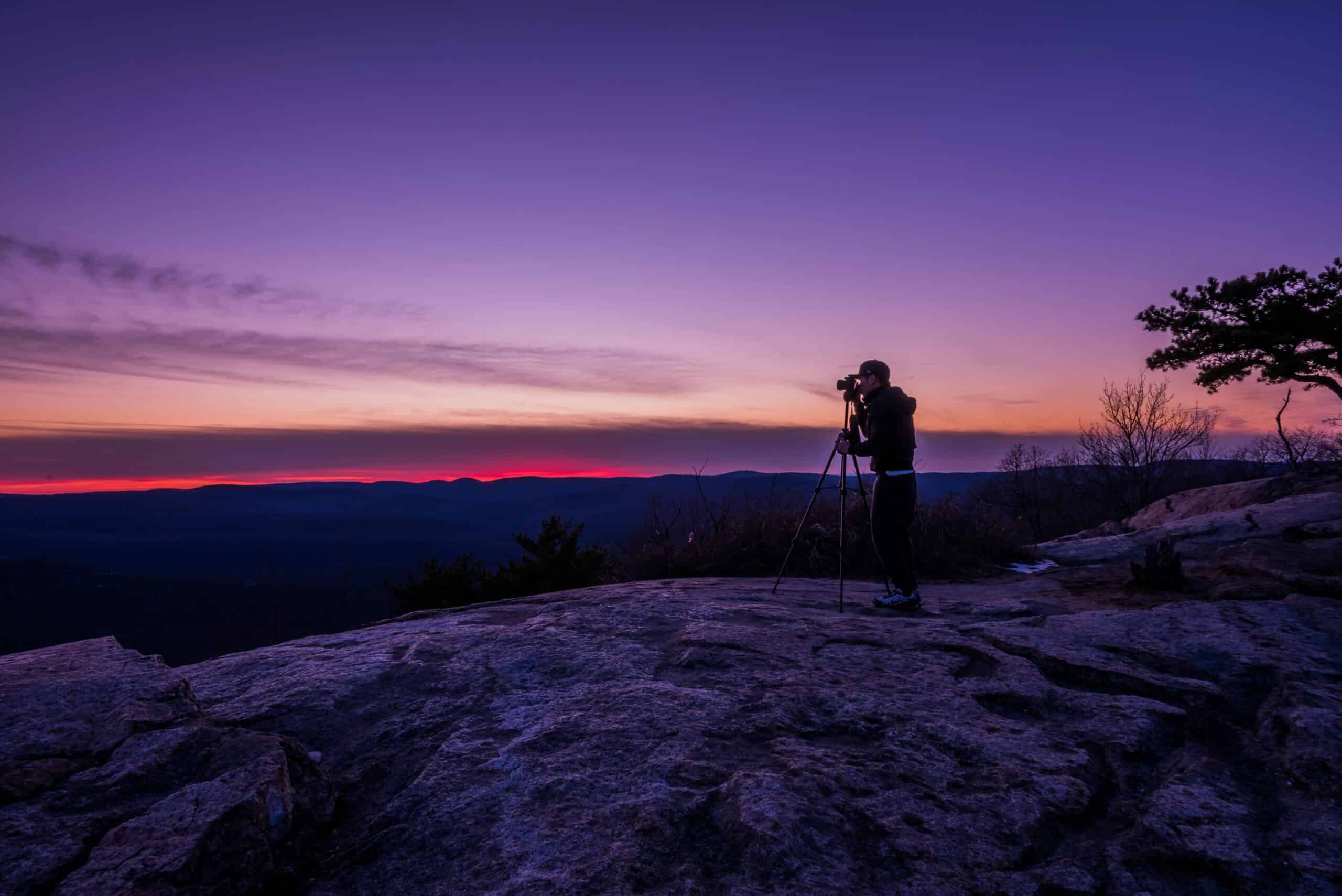
The Z7 II’s high resolution and strong base-ISO dynamic range produce crisp, low-noise 360 photos suitable for real estate, VR tours, and prints. For interiors with bright windows, bracket ±2–3 EV to exploit the sensor’s DR. Outdoors, ISO 64–200 keeps noise negligible. The Peleng 8mm’s 180° circular fisheye coverage minimizes shot count—great for fast-moving scenes or tight spaces—at the expense of strong distortion, which is expected and handled in stitching. For indoor VR tours, the fewer shots mean fewer stitching seams near lights, frames, and furniture.
Pre-shoot Checklist
- Charge batteries; ensure ample storage (RAW + bracketed shots add up).
- Clean lens front element and sensor; fisheye flare and dust are very visible.
- Level tripod; verify pano head is calibrated for nodal point (entrance pupil).
- Register Non-CPU Lens Data to 8 mm in camera; set aperture on the lens (e.g., f/8).
- Safety: tether on rooftops, avoid high winds with poles; secure car mounts thoroughly.
- Backup: do a second pass after your main set; redundancy saves reshoots.
Essential Gear & Setup
Core Gear
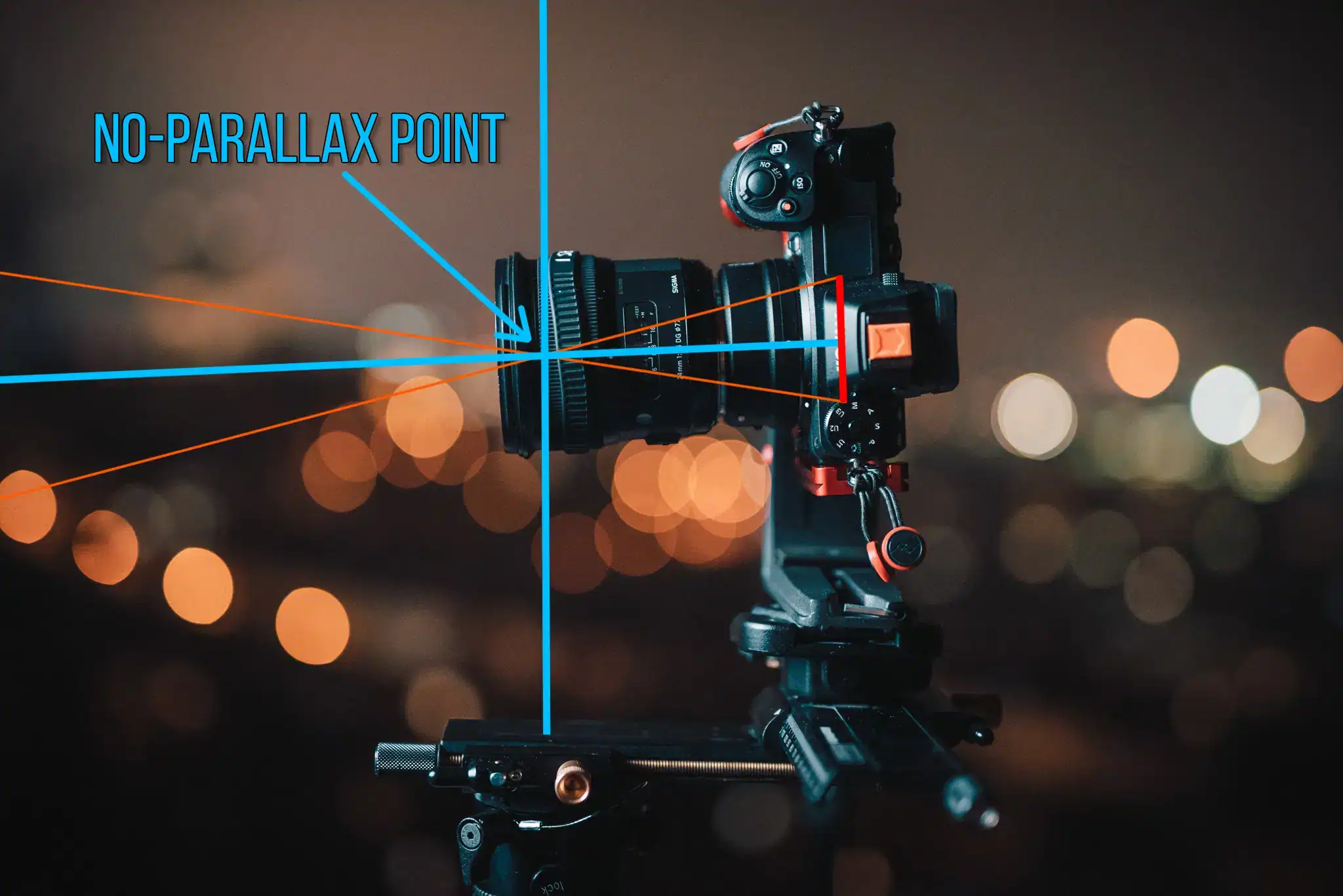
- Panoramic head: Aligns the lens to rotate around the entrance pupil (nodal point), preventing parallax when foreground and background overlap between frames.
- Stable tripod with leveling base: A quick leveling base speeds setup and keeps the horizon true.
- Remote trigger or SnapBridge app: Avoids vibration and ensures consistent timing for bracketed sets.
Optional Add-ons
- Pole or car mount: Useful for above-crowd or vehicle-based capture. Use tethers and check wind; high leverage can tip gear.
- Small LED panels or flash: For low-light interiors; keep lighting consistent per rotation.
- Rain covers and microfiber cloths: Fisheyes are prone to flare and smudges; keep them clean and dry.
IBIS, Non-CPU Lens & FTZ Tips
- Adapter: Use FTZ II or a reliable F-to-Z adapter for the Peleng 8mm.
- Non-CPU Lens Data: Register 8 mm and the max aperture to aid IBIS and metadata.
- IBIS: Turn OFF on a tripod to avoid micro-shifts between frames; ON can help handheld or on a pole.
Video: Panoramic Head Basics
For a visual refresher on panoramic head setup and why nodal alignment matters, this short video is a great starting point:
For a deeper written primer, see this panoramic head tutorial that covers alignment fundamentals and field technique. Panoramic head tutorial
Step-by-Step Shooting Guide
Standard Static Scenes
- Level and lock: Level the tripod using a leveling base. Confirm the panoramic head’s vertical and horizontal axes are locked and square.
- Nodal alignment: Adjust the fore-aft rail so the camera rotates around the lens entrance pupil. Test by aligning a nearby pole with a distant object; rotate 30–60° and tweak until there’s no relative shift.
- Manual exposure and WB: Set manual exposure and a fixed white balance (Daylight outside; 3200–4000K for tungsten/mixed interiors). Shoot RAW at 14-bit.
- Focus: Set manual focus to roughly the hyperfocal. At 8 mm and f/8, focusing near 0.3 m yields near-infinity sharpness.
- Capture sequence:
- 4 shots around at 90° yaw (recommended): e.g., 0°, 90°, 180°, 270°.
- 3 shots around at 120° (speed mode): e.g., 0°, 120°, 240°; shoot a nadir patch if the tripod area needs coverage.
- Nadir shot: Tilt down to capture a clean floor plate if you prefer patching a real texture rather than a logo cap.
HDR / High Dynamic Range Interiors
- Bracket ±2 EV (3 frames) for moderate DR; use 5 frames (±4 EV spread) for bright windows or mixed lighting.
- Lock WB and exposure mode: Use manual to avoid flicker between frames and yaw positions.
- Use a remote or 2-sec timer to avoid shake; ensure the camera doesn’t drift between brackets.
- Repeat per yaw position in the same order to simplify stitching and batching later.
Low-Light / Night Scenes
- Use a sturdy tripod; turn off IBIS; enable electronic first-curtain shutter if available to minimize vibrations.
- ISO guidance for Z7 II: ISO 64–200 is pristine; ISO 400–800 remains very clean; ISO 1600 is usable with careful denoising. Favor longer shutter times over high ISO on a tripod.
- Typical settings: f/4–f/5.6, ISO 200–800, shutter 1–8 s depending on ambient. Use a remote trigger.
Crowded Events
- Go fast: Use 3 shots around at 120° to reduce people movement between frames.
- Do two passes: A quick pass for coverage, then a second pass waiting for gaps to capture clean areas for masking.
- Higher shutter speeds (1/125–1/250) help freeze motion; bump ISO within reason (to ~800–1600).
Special Setups (Pole / Car / Rooftop)
- Secure everything: Use a safety tether and test balance. Wind loads on a pole with a fisheye are significant—don’t extend fully in gusts.
- Pole technique: 3 shots around, keep the camera level, and let the pole settle between frames. Use a remote or intervalometer.
- Car mount: Ensure suction/cable mounts are redundant; pick very smooth routes and keep speed low to avoid vibration blur.
Recommended Settings & Pro Tips
Exposure & Focus
| Scenario | Aperture | Shutter | ISO | Notes |
|---|---|---|---|---|
| Daylight outdoor | f/8–f/11 | 1/100–1/250 | 64–200 | Lock WB (Daylight); prioritize base ISO for DR |
| Low light/night | f/4–f/5.6 | 1/4–8 s | 200–800 | Tripod, remote; IBIS off on tripod |
| Interior HDR | f/8 | Bracket ±2 to ±4 EV | 64–400 | Balance windows and lamps; 14-bit RAW |
| Action / moving subjects | f/5.6–f/8 | 1/200+ | 400–800 | Freeze motion; do a second pass for clean plates |
Critical Tips
- Manual focus: Set near hyperfocal (~0.3 m at f/8) to keep everything sharp from close to infinity.
- Nodal point calibration: Mark the rail position for the Z7 II + FTZ + Peleng combo so you can repeat it quickly.
- White balance lock: Avoid auto WB; mixed lighting can cause color mismatches between frames.
- RAW vs JPEG: Always shoot RAW for better shadow recovery and white balance adjustments during stitching.
- IBIS: Off on tripod; on for handheld or pole use to counter micro-shake.
- Lens shade/flare: Fisheyes catch stray light—shield the front element with your hand when the sun is near the edge (keep your hand out of frame).
Stitching & Post-Processing
Software Workflow
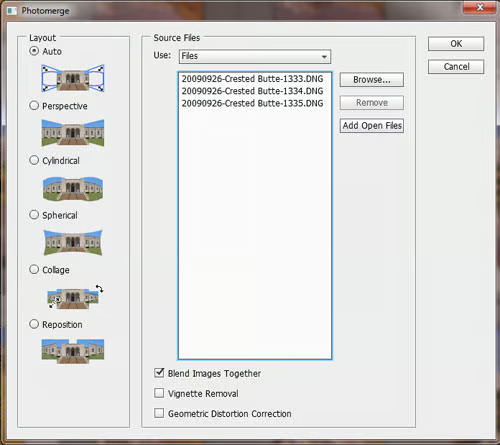
PTGui is the industry standard for fast, high-quality 360 stitching. Import your images, set Lens Type to Circular Fisheye, focal length 8 mm, and use the Crop tool to define the circular image precisely. For 4-around sets, automatic alignment usually succeeds; for 3-around, add control points where needed. Use HDR Merge for bracketed sets (or pre-merge in Lightroom to 32-bit DNG). Hugin is an excellent free alternative; Lightroom/Photoshop’s pano tools work for simpler, non-360 stitches but are less flexible with circular fisheyes. Typical overlap recommendations are ~25–30% for fisheye sets. For a thorough review of PTGui’s strengths, see this workflow-focused article. PTGui review and tips
If you’re new to VR outputs and hosting, Oculus has practical guidelines for shooting and preparing DSLR/mirrorless 360 photos. Using a DSLR or mirrorless to shoot and stitch a 360 photo
Cleanup & Enhancement
- Nadir patch: If you captured a downward shot, use PTGui’s Viewpoint correction to blend; otherwise, patch with a cloned texture or a branded logo plate.
- Color and noise: Match white balance across images first; apply gentle noise reduction for ISO 800–1600 night shots.
- Leveling: Use the horizon/vertical line tools to correct roll/pitch/yaw so viewers feel grounded.
- Export: Output a 2:1 equirectangular JPEG/PNG at 12–16k width for tours; for archival/HDR pass, export 16-bit TIFF or 32-bit where supported.
Note: Software features evolve—always consult the latest documentation for current tools and best practices.
Useful Tools & Resources
Software
- PTGui panorama stitching
- Hugin (open source)
- Lightroom / Photoshop
- AI tripod/nadir removal tools
Hardware
- Panoramic heads (Nodal Ninja, Leofoto)
- Carbon fiber tripods with leveling bases
- Wireless remote shutters
- Pole extensions and robust car mounts
To choose an optimal body/lens combo and understand pano trade-offs, this guide summarizes common setups and results. DSLR/mirrorless 360 lens guide
Disclaimer: brand names help you search; always check the official sites for specifications and compatibility.
Field-Proven Scenarios
Indoor Real Estate
Use 4 shots around at f/8, ISO 64–200, bracket ±2 EV (or five frames if windows clip). Lock WB around 4000K in mixed lighting. The Peleng keeps shot count low in tight rooms, reducing stitching seams near edges of frames and mirrors. Capture a nadir shot to replace the tripod footprint with actual flooring for a more natural look.
Outdoor Sunset
Meter for highlights at ISO 64–100 and bracket ±2 EV. Avoid shooting directly into the sun when possible; shade the lens with your hand to reduce flare. Use 4-around for robust overlap as light changes quickly near golden hour.
Event Crowds
Use 3-around at 1/200–1/250, ISO 400–800. Do two rotations: fast coverage, then a second pass waiting for gaps. In post, mask frames to remove ghosting and keep faces natural. With the Peleng fisheye, seams are fewer, which helps manage moving subjects.
Rooftop / Pole
Balance the pole vertically, shoot 3-around, and keep exposures short (1/250+ if windy). Tether your gear. If the horizon is critical, do a quick second pass to ensure you have at least one clean frame per bearing without shake.
Safety & Gear Protection
- Wind: Fisheyes catch wind; use sandbags and keep the center column down.
- Edges: On rooftops or balconies, always tether the camera and keep a safe working distance from the edge.
- Weather: Use rain covers; water droplets on a fisheye are very obvious and hard to fix in post.
- Public spaces: Mind trip hazards with tripod legs; ask for assistance or cones if crowds are heavy.
Sample Visuals
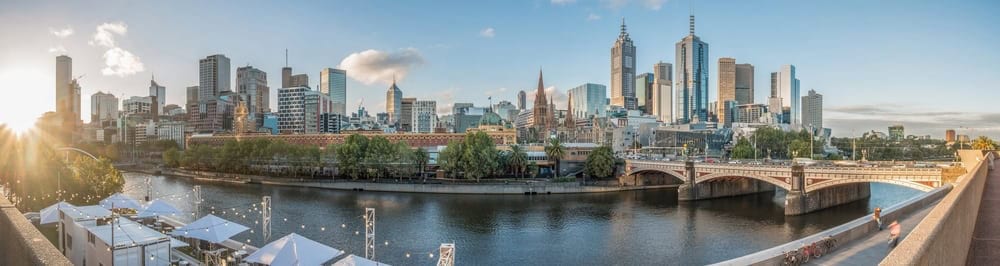
Common Mistakes & How to Avoid Them
- Parallax error: Always rotate around the entrance pupil; verify with a near/far alignment test.
- Exposure flicker: Shoot in full manual and lock white balance.
- Tripod shadows or footprints: Capture a nadir shot or plan to patch.
- Ghosting from movement: Shoot a second pass and mask in post.
- Night noise: Keep ISO low and extend shutter on a tripod; denoise gently in post.
- Flare: Shield the lens and avoid including bright lights at the frame edge.
Frequently Asked Questions
- Can I shoot handheld panoramas with the Nikon Z7 II?
Yes—use 3-around at 1/250 and IBIS ON, but expect more stitching corrections. A tripod and pano head still deliver the cleanest results, especially for interiors or HDR.
- Is the Peleng 8mm f/3.5 wide enough for single-row 360?
Absolutely. As a circular fisheye on full frame, it covers 180° across the image circle. Use 3–4 shots around for a full sphere; 4-around is the safest for overlap and quality.
- Do I need HDR for interiors with bright windows?
Usually. Bracket ±2 EV (3 frames) at minimum; for very bright windows, 5 frames with a ±4 EV spread helps retain both view and interior detail.
- How do I avoid parallax issues?
Calibrate the entrance pupil on your panoramic head for the Z7 II + FTZ + Peleng. Align a near object with a distant one, rotate, and adjust fore-aft until there’s no shift.
- What ISO range is safe on the Z7 II in low light?
On a tripod, ISO 64–200 is ideal. ISO 400–800 remains very clean; ISO 1600 is usable with noise reduction. Favor longer shutter times over higher ISO for static scenes.
- Can I set custom modes to speed up pano work?
Yes. Store manual exposure, fixed WB, 14-bit RAW, and bracketing settings in U1/U2 (User Settings). It saves time and ensures consistent frames between locations.
- How can I reduce flare with a fisheye?
Shade the lens with your hand just outside the frame, avoid direct backlight at the edge, and shoot a second frame if a flare appears so you can mask it out in post.
- What’s the best tripod head for this setup?
A two-axis panoramic head with fore-aft and lateral sliders (e.g., Nodal Ninja or similar) so you can place the entrance pupil exactly over the rotation axis.
Learn More
For a practical demonstration of shooting and stitching workflows, this concise tutorial video is helpful for beginners and semi-pros alike.
For structured best practices on setting up a panoramic head for 360 capture, this guide focuses on repeatable, high-end results. Set up a panoramic head for high‑end 360 photos