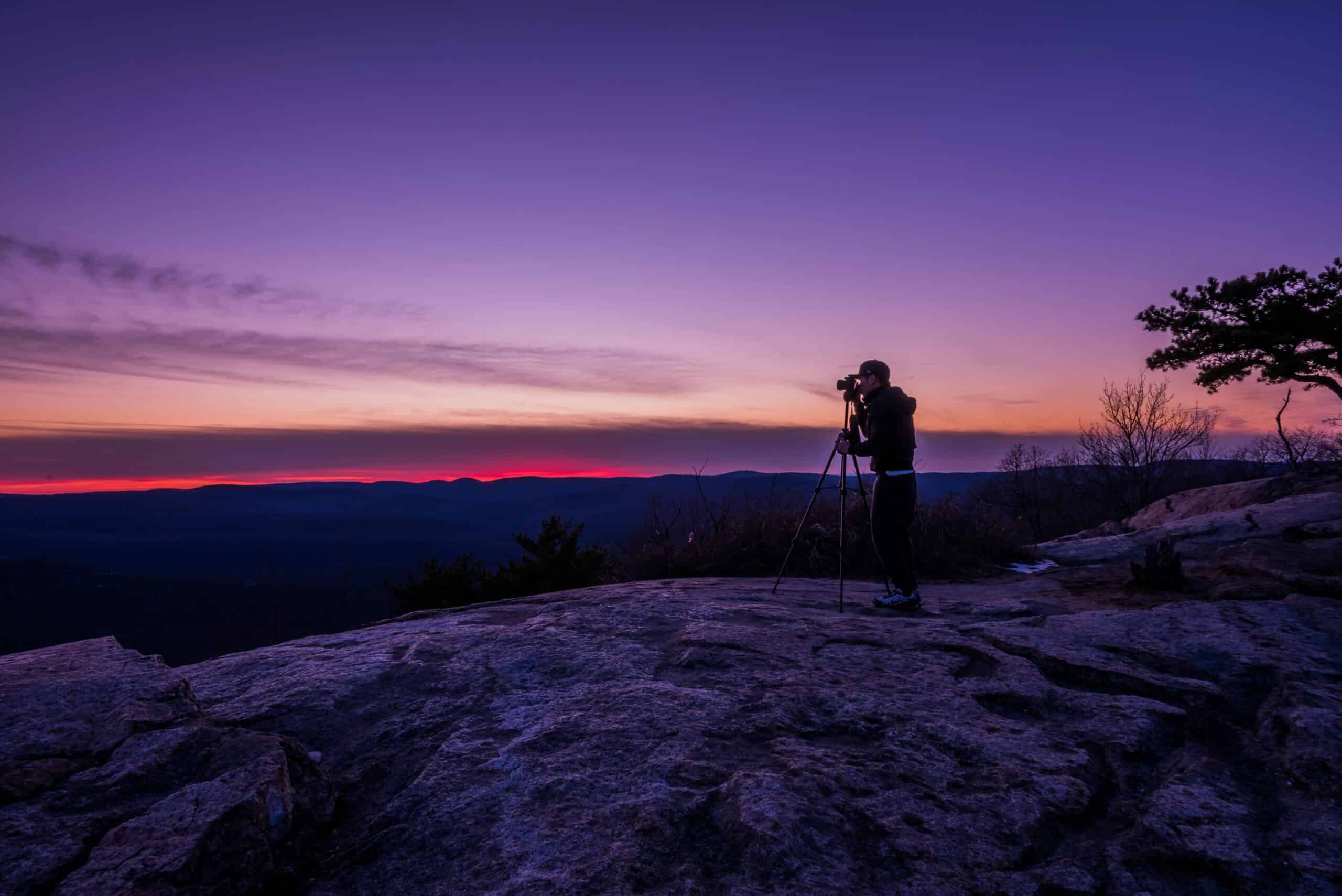
Why This Camera & Lens Are Great for Panoramas
If you’re exploring how to shoot panorama with Nikon Z7 II & Canon RF 14-35mm f/4L IS USM, you’re pairing one of the sharpest high-resolution mirrorless bodies with a top-tier ultra-wide rectilinear zoom. The Nikon Z7 II’s 45.7MP full-frame sensor (36×24 mm, ~4.35 μm pixel pitch) offers excellent base-ISO dynamic range (around 14+ stops at ISO 64) and superb detail capture—ideal for big, clean stitches and even gigapixel work. The Canon RF 14–35mm f/4L IS USM is an optically stabilized, rectilinear ultra-wide with very good corner performance by f/5.6–f/8, well-controlled lateral CA, and a versatile zoom range for both single-row and multi-row panos.
Important compatibility note: Canon RF lenses do not natively adapt to Nikon Z bodies. There is currently no widely available RF-to-Z adapter that provides aperture control or focus, and the short flange distances make a “dumb” adapter impractical. In practice you have two paths: (1) shoot this lens on a Canon RF-mount body and apply the same pano workflow, or (2) use an optically similar Nikon Z lens (e.g., NIKKOR Z 14–30mm f/4 S) on the Z7 II for the same field-of-view and technique. This guide explains the panoramic workflow in depth for the Z7 II body paired with a 14–35mm rectilinear ultra-wide, while being transparent about mount limitations. For stitch planning and technique, the optical characteristics are what matter most.
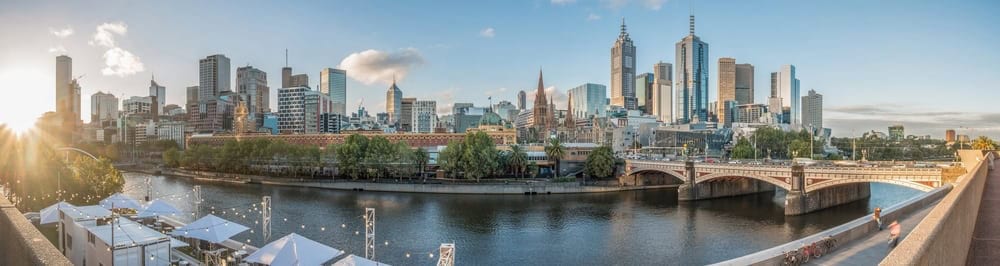
Quick Setup Overview
- Camera: Nikon Z7 II — full-frame 45.7MP BSI CMOS, base ISO 64, excellent DR, 5-axis IBIS (~5 stops), reliable manual controls and custom banks for pano presets.
- Lens: Canon RF 14–35mm f/4L IS USM — rectilinear UWA zoom, best stopped to f/5.6–f/8 for corner sharpness; mild barrel distortion at 14mm correctable in post; good CA control.
- Estimated shots & overlap (full 360×180, rectilinear):
- At 14mm: 3 rows × 8–10 shots per row (≈24–30) + 1–3 zenith + 1 nadir. Overlap ~30% horizontal and vertical.
- At 24mm: 4 rows × 10–12 shots per row (≈40–48) + zenith/nadir. Overlap ~30%.
- At 35mm: 5–6 rows × 12–16 shots per row (≈60–96) for gigapixel detail. Overlap ~30%.
- Difficulty: Moderate. Rectilinear UWA needs careful nodal alignment and more frames vs a fisheye, but yields natural, low-distortion edges.
Planning & On-Site Preparation
Evaluate Shooting Environment
Scan for moving elements (people, flags, traffic), reflective surfaces (glass, polished floors), and strong backlight that can cause flare. For windows or glass railings, shoot with the front element as close as safely possible (2–5 cm) to minimize reflections, and check angles to keep your own reflection out. Note any vibration sources (wood decks, vehicles, wind gusts) that may require faster shutter or waiting between exposures.
Match Gear to Scene Goals
The Z7 II’s dynamic range excels at sunrise/sunset skies and interiors with mixed light, especially at ISO 64–200. For handheld or event pano work, ISO 400–800 is still very clean; ISO 1600–3200 remains usable with noise reduction. A rectilinear lens like the RF 14–35mm reduces the “fisheye look,” which is great for real estate and architecture where straight lines matter, at the cost of more frames per sphere. When light is dim, prioritize tripod stability, use manual exposure, and consider HDR bracketing to hold windows and ceiling lights without pushing ISO too high.
Pre-shoot Checklist
- Charge batteries and carry spares; 45MP HDR brackets chew power.
- High-capacity, fast cards (UHS-II/XQD/CFexpress) for burst HDR sequences.
- Clean front element and sensor; dust shows on blue skies and white ceilings.
- Level tripod; calibrate your panoramic head’s nodal point for the chosen focal length.
- Safety first: sandbag tripod in wind, use tethers on rooftops/poles, and verify permit rules in public spaces.
- Backup workflow: shoot a second full pass if time allows—crucial insurance against ghosting or a soft frame.
Essential Gear & Setup
Core Gear
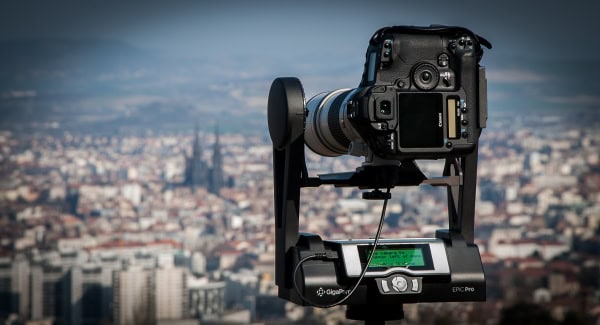
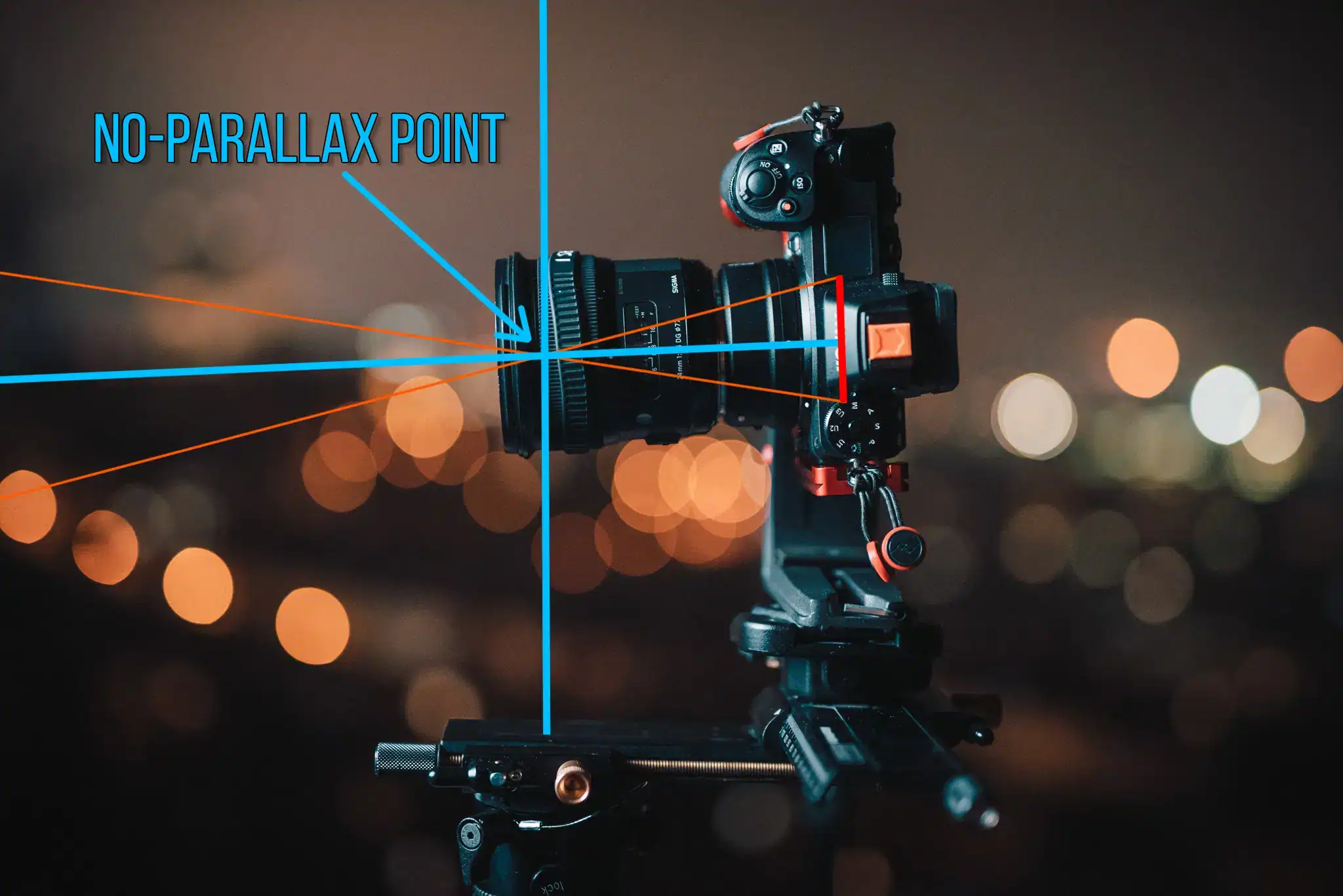
- Panoramic head with fore-aft and lateral adjustments: Align the lens’s entrance pupil (nodal point) over the rotation axis to eliminate parallax. This is vital for clean stitches in tight interiors.
- Stable tripod with a leveling base: A leveling base makes horizon control fast and accurate, keeping rows consistent.
- Remote trigger or app: Use self-timer or a remote to avoid vibrations—especially important for multi-row HDR.
Optional Add-ons
- Pole or vehicle mount: Great for crowds or elevated viewpoints. Use guy lines, safety tethers, and check wind loads to prevent tip-over or vibration blur.
- Continuous lighting or small flash: For interiors, micro add-fill can even out dark corners; keep WB consistent.
- Weather protection: Rain cover, microfiber cloths, and silica gel to guard against drizzle and condensation.
New to panoramic heads or need a refresher on alignment? This panoramic head setup tutorial covers the fundamentals and why entrance pupil alignment matters for parallax-free results.
Step-by-Step Shooting Guide
Standard Static Scenes
- Level and align: Level the tripod using a leveling base. Set your panoramic head so the entrance pupil sits exactly over the rotation axis. For ultra-wides like a 14–35mm rectilinear, the entrance pupil is typically near the front element at the wide end. Start with a rough fore-aft position and fine-tune with a near/far alignment test.
- Manual exposure and white balance: Meter the brightest zone you need to retain (e.g., window highlights) and set a manual exposure that preserves detail while keeping mid-tones healthy. Lock white balance (e.g., Daylight or custom Kelvin) to avoid color shifts between frames.
- Focus and capture: Switch to manual focus after focusing at or near the hyperfocal distance for your chosen aperture (f/8–f/11 is a sweet spot). Shoot each row with 25–35% overlap; visually check edge features for consistent coverage. Rotate smoothly and let vibrations settle between frames.
- Nadir shot: Tilt down and capture a clean ground frame to patch out the tripod later. You can also shoot a hand-held nadir with the tripod moved slightly and patch in post.
HDR / High Dynamic Range Interiors
- Bracket ±2 EV (3 or 5 frames): This balances bright windows and interior shadows. Keep aperture constant; bracket shutter speeds.
- Lock WB and focus: Consistency across brackets is essential for clean merges and smooth stitching later.
- Timing: Allow a beat between brackets if your tripod is on a springy floor or balcony. For large windows, shoot when traffic outside is minimal to reduce ghosting.
Low-Light / Night Scenes
- Use base ISO when possible (ISO 64–200) and longer exposures on a sturdy tripod. The Z7 II files handle long exposures very well; stay within ISO 64–800 for the cleanest pano stitches.
- Disable IBIS on a locked-down tripod to avoid micro-oscillation blur. Re-enable stabilization only if you must shoot handheld or on a vibrating platform.
- Remote trigger or delayed shutter: 2–5 second delay eliminates touch-induced shake.
Crowded Events
- Two-pass method: First pass for structure and coverage; second pass waiting for gaps in traffic/humans at key frames.
- Use faster shutter (1/200+) at f/5.6–f/8 and ISO 400–800 to freeze motion. Later, blend clean frames to remove ghosting.
Special Setups (Pole / Car / Drone)
- Pole: Secure clamps, safety line, and avoid gusty winds. Rotate slower and increase shutter speed to counter micro shake. Consider 14–20mm to reduce required frames aloft.
- Vehicle mount: Park on solid ground, engine off, and time shots between passing trucks. Prioritize shutter speed and overlap.
- Drone: Use sphere mode only when legal and safe; match manual exposure/WB across all frames for easier stitching.
Real-World Playbook
- Indoor real estate (14–20mm): 3 rows × 8–10 per row + zenith/nadir; add HDR brackets for windows. Keep verticals straight by centering lens height at mid-wall.
- Golden hour rooftop (14–24mm): Single or multi-row pano, ISO 64–200, f/8, tripod, and shoot an extra safety pass after the sun dips for balanced sky.
- Event hall (20–24mm): Single-row cylindrical to minimize subject movement; shoot a second pass for clean plates.
- Pole shot above a crowd (14–18mm): One or two rows if stability allows; keep overlap generous (35%) because alignment is harder at height.
Recommended Settings & Pro Tips
Exposure & Focus
| Scenario | Aperture | Shutter | ISO | Notes |
|---|---|---|---|---|
| Daylight outdoor | f/8–f/11 | 1/100–1/250 | 64–200 | Lock WB (daylight or 5200–5600K) |
| Low light/night | f/4–f/5.6 | As needed | 200–800 | Tripod & remote; disable IBIS when fully locked down |
| Interior HDR | f/8 | Bracket ±2 EV | 64–400 | Protect window highlights and maintain clean shadows |
| Action / moving subjects | f/5.6–f/8 | 1/200+ | 400–800 | Two-pass method; blend clean frames |
Critical Tips
- Manual focus at hyperfocal: At 14mm and f/8 on full frame, focusing ~1 m gives near-to-infinity sharpness. Disable focus-by-wire drift by switching to MF after acquiring focus.
- Nodal calibration basics: Place a near object and a far object in the frame edge and rotate; adjust fore-aft until there’s no relative shift. Mark your pano head rails for 14, 20, 24, and 35mm positions.
- White balance lock: Mixed lighting can shift color frame-to-frame; set a fixed Kelvin value or custom WB from a gray card.
- RAW over JPEG: 14-bit RAW from the Z7 II maximizes dynamic range and color fidelity—crucial for HDR merges and clean sky gradients.
- Stabilization strategy: On tripod, turn off IBIS. For handheld pans, enable IBIS and raise shutter speed.
Stitching & Post-Processing
Software Workflow
Import RAW frames, apply base lens corrections and WB consistency, and pre-merge HDR brackets if used. Stitch in PTGui or Hugin using equirectangular output for 360 photos. Rectilinear UWA lenses typically want ~25–30% overlap horizontally and vertically. Fisheye lenses need fewer frames but require “defish” handling; rectilinears take more frames but yield straighter lines and more natural perspective for architecture. PTGui’s control point assistant and masking tools make mixed-motion scenes easier to resolve. For a professional overview of PTGui’s strengths, see this review of PTGui for creating incredible panoramas.
Cleanup & Enhancement
- Tripod/nadir patch: Use a nadir frame and PTGui’s viewpoint correction or clone/AI removal tools to create a clean floor.
- Color consistency: Balance WB and tint across rows; apply subtle vibrance, not heavy saturation, to avoid banding in skies.
- Noise reduction: Apply luminance NR sparingly; mask textures like foliage to keep detail.
- Level horizon: Use pitch/roll/yaw tools in your stitcher to lock a straight horizon line.
- Export: Save a 16-bit TIFF master and an 8-bit JPEG equirectangular at 12000–16000 px width for web/VR platforms. Read Oculus’ guidance on DSLR/mirrorless 360 pipelines here: Using a DSLR or mirrorless camera to shoot and stitch a 360 photo.
For deeper technical context on resolution planning and field coverage by focal length, the Panotools spherical resolution wiki is a classic reference.
Useful Tools & Resources
Software
- PTGui panorama stitching (masking, viewpoint correction, HDR)
- Hugin (open source alternative)
- Lightroom / Photoshop for RAW prep and finishing
- AI tripod removal and object cleanup tools
Hardware
- Panoramic heads (Nodal Ninja, Leofoto, Sunwayfoto)
- Carbon fiber tripods with leveling bases
- Wireless remotes or app triggers
- Pole extensions / car suction mounts with safety tethers
Disclaimer: product names are for search reference; consult official sources for current specs and compatibility.
Video: Pano Head Setup and Shooting Flow
Prefer a visual walkthrough? This video covers practical panorama shooting and stitching basics:
Common Mistakes & How to Avoid Them
- Parallax error: Always align the entrance pupil before a critical shoot. Re-check after zoom changes.
- Exposure flicker: Manual mode, fixed WB, and disable auto ISO to prevent frame-to-frame shifts.
- Tripod shadows and reflections: Capture a dedicated nadir and watch for your reflection in glass; change angle slightly to remove it.
- Ghosting from motion: Use masking in PTGui/Hugin and shoot a second pass for clean plates.
- High ISO noise: Favor longer exposure over high ISO; use the Z7 II’s base ISO 64 where possible.
- IBIS on tripod: Turn it off to avoid micro-blur in long exposures on a solid support.
Frequently Asked Questions
- Can I shoot handheld panoramas with the Nikon Z7 II?
Yes for simple cylindrical panos in good light. Use ISO 400–800, 1/200s or faster, and enable IBIS. For 360×180 spheres, a tripod and pano head are strongly recommended to avoid parallax and stitching errors.
- Is the Canon RF 14–35mm f/4L wide enough for single-row 360?
For a full 360×180 sphere, a single row with a rectilinear UWA will leave gaps at zenith and nadir. Plan on multi-row capture at 14–20mm, plus dedicated zenith and nadir shots. It’s wide enough for efficient coverage, but not as few frames as a fisheye.
- Do I need HDR for interiors with bright windows?
Usually. Bracketing ±2 EV (3–5 frames) preserves window detail and clean interior shadows. Keep aperture constant and merge brackets before stitching for fewer artifacts.
- How do I avoid parallax issues?
Use a panoramic head and align the entrance pupil precisely for your chosen focal length. Do a quick near/far alignment test and mark the rail positions so you can repeat them reliably. For a primer, see this panoramic head alignment tutorial.
- What ISO range is safe on the Z7 II in low light?
For the cleanest files, ISO 64–400. ISO 800 is still very usable; ISO 1600–3200 can work with good exposure and careful noise reduction. Prefer tripod, longer shutter, and HDR over pushing ISO.
- Can I set up Custom Shooting Modes for pano?
Yes. Use U1/U2 (or banks) to store manual exposure, manual focus, fixed WB, and IBIS off (for tripod use). This speeds up on-site setup and ensures consistency between frames.
- Best tripod head for this setup?
A two-rail panoramic head with indexed rotator is ideal for multi-row spheres. Look for precise fore-aft adjustments, easy vertical tilt indexing, and a bubble level or built-in leveling base.
Compatibility & Practical Alternatives
Because Canon RF lenses are not currently adaptable to Nikon Z bodies with functional aperture/focus control, plan accordingly:
- If you own the Canon RF 14–35mm f/4L, use a Canon RF-mount body (e.g., R5, R6) and follow this exact workflow for optical coverage and shot counts.
- If you’re committed to the Nikon Z7 II body, use a comparable Nikon Z lens (e.g., NIKKOR Z 14–30mm f/4 S). The pano technique and settings here translate directly.
The technique—nodal alignment, overlap, exposure consistency—is the same regardless of brand. For a broader overview of DSLR/mirrorless 360 workflows and gear tradeoffs, this guide is helpful: DSLR/mirrorless 360 virtual tour FAQ and lens guide.
Safety, Care, and Data Integrity
- Wind and height: Always tether gear on rooftops or poles. Use sandbags and keep bystanders clear of the tripod radius.
- Weather: Protect gear from rain and salt spray. Wipe lenses frequently—water spots become stitching artifacts.
- Data backup: Use dual card slots or back up to a laptop/SSD on location. 45MP multi-row HDR sequences are costly to re-shoot if anything goes wrong.
- Redundancy: When feasible, capture a second full sequence; it’s the cheapest insurance for client jobs.