Why This Camera & Lens Are Great for Panoramas
If you want to master how to shoot panorama with Nikon Z6 II & Samyang 12mm f/2.8 ED AS NCS Fish-Eye, you’re starting with a proven, efficient combo for 360 photos. The Nikon Z6 II’s 24.5MP full-frame BSI sensor (approx. 6048 × 4024 px, ~5.94 µm pixel pitch) delivers excellent dynamic range at base ISO (about 14 stops), clean high-ISO performance, and reliable color depth—ideal for scenes with deep shadows and bright highlights. In-body image stabilization (IBIS) is useful for handheld scouting, and the body’s ergonomics make manual focus and exposure control fast and consistent. Dual card slots (CFexpress/XQD + SD UHS-II) add a layer of on-site redundancy for professional work.
The Samyang 12mm f/2.8 ED AS NCS Fish-Eye is a full-frame diagonal fisheye that covers approximately 180° diagonally. For 360° panoramas, a diagonal fisheye reduces the number of shots required while keeping the coverage reliable—especially helpful in time-sensitive or crowded environments. It’s a manual-focus, manual-aperture lens, which is actually an advantage for panoramas: you set it once and lock it in, avoiding focus or exposure shifts between frames. Expect very strong edge distortion (inherent to fisheye), some lateral CA at the borders, and moderate flare if a bright source is near the frame—manageable with proper technique and post-processing. If you’re using the F-mount version, it mounts to the Z6 II via the FTZ/FTZ II adapter without issue.
Quick Setup Overview
- Camera: Nikon Z6 II — Full-frame 24.5MP BSI CMOS; ~14 stops DR at ISO 100; native ISO 100–51,200 (expandable); IBIS; dual card slots.
- Lens: Samyang 12mm f/2.8 ED AS NCS Fish-Eye — diagonal fisheye on full frame; very wide coverage; best sharpness around f/5.6–f/8; some lateral CA at edges; manual focus/aperture.
- Estimated shots & overlap:
- Typical: 6 shots around at 0° pitch (60° yaw increments) + 1 zenith + 1 nadir; aim for ~30–35% overlap.
- Safety in tight interiors: 8 around + zenith + nadir.
- HDR: bracket each position (3 or 5 frames) before rotating.
- Difficulty: Easy–Medium (fisheye makes coverage simple; nodal alignment still matters).
Planning & On-Site Preparation
Evaluate Shooting Environment
Study light direction and intensity, reflective surfaces (glass, polished floors, mirrors), and moving elements (people, trees, vehicles). For glass, get the lens as close as safely possible or shoot at a slight angle to reduce reflections and ghosting. Note any high-contrast windows; they’ll likely require bracketing for a clean HDR panorama. Outdoors, check wind—strong gusts can shake poles and lightweight tripods, causing blurry frames.
Match Gear to Scene Goals
The Z6 II is tolerant of higher ISOs thanks to its BSI sensor; ISO 100–800 yields excellent quality, 1600–3200 remains very usable for night scenes when you need to keep shutter speeds practical. Pairing it with the 12mm fisheye reduces shot count, minimizing stitch seams and speeding up HDR passes. The trade-off is fisheye distortion and more extreme perspective stretching at the edges—fine for spherical outputs and virtual tours, but less ideal if you intend to produce ultra-rectilinear wide prints from the same set.
Pre-shoot Checklist
- Power & storage: two fresh batteries, dual-card writing enabled for redundancy, ample free space for brackets.
- Optics & sensor: clean the lens front and rear; carry a blower and microfiber; check sensor/cover glass for spots.
- Tripod & head: level the tripod; verify your panoramic head’s nodal alignment marks for this camera + FTZ + lens stack.
- Safety: tether on rooftops, evaluate wind loads on poles, avoid traffic paths for car-mounted rigs; never compromise safety for the shot.
- Backup capture: when time allows, shoot a second full pass to insure against stitching issues or subject movement.
Essential Gear & Setup
Core Gear
- Panoramic head: Enables rotation around the lens’s entrance pupil (“nodal point”) to eliminate parallax, crucial for stitching precision. A two-rail L-bracket style head (e.g., Nodal Ninja/Fanotec or Leofoto) is ideal for this combo.
- Stable tripod with leveling base: A leveling base dramatically speeds setup and keeps your horizon consistent across the sweep.
- Remote trigger or app: Use a wired or Bluetooth trigger; or the SnapBridge app to keep vibrations to a minimum.
Optional Add-ons
- Pole or car mount: Excellent for elevated or vehicle-based 360s. Use a safety tether, check wind, and reduce rotation speed to limit vibrations.
- Lighting aids: For low-light interiors, small LED panels for fill (avoid mixing color temps) or bounce flash—be consistent shot-to-shot.
- Weather protection: Rain covers and lens hoods; keep microfiber cloths for drizzle or sea spray.
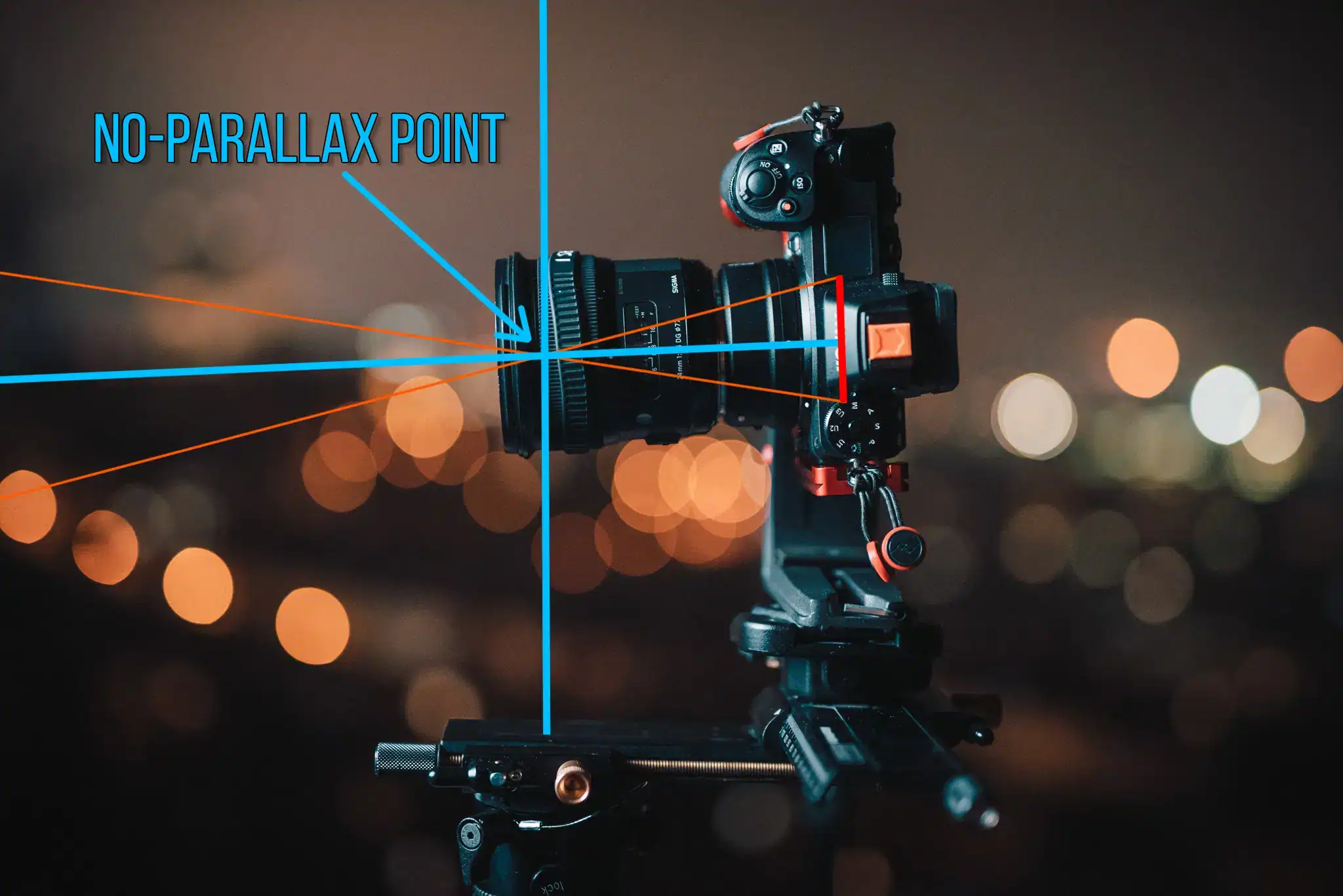
For a deeper tutorial on panoramic head setup and why parallax matters, see this panoramic head how-to. Panoramic head tutorial
Step-by-Step Shooting Guide
Standard Static Scenes
- Level tripod and align the nodal point. Use the two-object method: place two upright objects at different distances and pan left-right; adjust the fore-aft rail until relative movement disappears. With Z6 II + FTZ + Samyang 12mm, a good starting point is to set the camera so the rotation axis passes under the lens near the aperture ring; refine on-site and mark your rail for next time.
- Manual exposure and white balance. Set M mode, meter for mid-tones (or slightly expose to the right without clipping highlights). Lock white balance to a fixed Kelvin (e.g., 5400–5600 K daylight or ~3200–3500 K tungsten). This avoids flicker and color shifts.
- Focus and aperture. Use manual focus with focus peaking. At f/8, the hyperfocal distance is roughly 0.6–0.7 m on full-frame—set focus just beyond this to keep near-to-far elements sharp. For the Samyang 12mm, f/5.6–f/8 is the sweet spot.
- Capture sequence. Shoot 6 frames around at 60° yaw increments. Then shoot 1 zenith (tilt up) and 1 nadir (tilt down) for a clean top and to patch the tripod. If time allows, capture a second safety pass.
HDR / High Dynamic Range Interiors
- Bracket exposure. Use 3-frame ±2 EV or 5-frame ±1 EV AEB at each position. The Z6 II supports flexible bracketing sets; choose a stack that captures both window highlights and deep shadows.
- Keep WB locked and lighting consistent. Avoid changing white balance mid-shot. If using practical lights, keep them on throughout to prevent flicker.
- Order matters. For each position, fire the entire bracket set before rotating to the next yaw angle to prevent alignment headaches.
Low-Light / Night Scenes
- Use the tripod, IBIS off. For long exposures, turn IBIS off to prevent micro-blur on a locked-down tripod. Enable EFCS (electronic front-curtain shutter) to minimize vibration.
- ISO strategy. Start at ISO 100–200 and use longer shutter times when possible. If wind or subject motion forces faster shutter, ISO 800–1600 remains clean on the Z6 II; ISO 3200 is still very usable with moderate noise reduction.
- Remote trigger and delay. Engage a 2s self-timer or remote trigger. Watch for LED banding under silent electronic shutter; if present, switch back to mechanical/EFCS.
Crowded Events
- Predict movement. Shoot a full pass, then wait and reshoot frames where people obstructed key features. You can mask between passes during stitching.
- Use faster shutter speeds. Aim for 1/200 s or faster at f/5.6–f/8 with ISO 400–800 to reduce motion blur.
- Mind parallax with close subjects. Keep people at least 1–2 m from the lens when possible; tighter spaces amplify parallax errors.
Special Setups (Pole / Car / Elevated)
- Secure and tether. Use a rigid pole with guy lines for height; double-check clamps. On vehicles, only shoot in controlled environments with proper mounts and safety checks.
- Reduce rotation speed. Let vibrations settle between shots. Use shorter exposures or higher ISO if the rig moves.
- Capture redundancy. Elevated shots are prone to blur—take extra passes.
Field Case Studies
Indoor Real Estate
Use 6-around + Z + N, bracketed ±2 EV. Lock WB to a Kelvin value that balances window daylight and warm interior lamps (e.g., 4300–4800 K). Patch tripod in post or shoot a handheld nadir plate after moving the tripod.
Outdoor Sunset
Expose for highlights to preserve sky color; bracket if the foreground is dark. A graduated look is fine, but HDR will yield a smoother transition. Watch for flare from the low sun; block it with your hand just outside the frame if needed, then clone out later.
Event Crowds
Plan two passes. In post, mask people from the cleaner frames. The fisheye’s reduced shot count helps complete a sweep quickly between crowd surges.
Rooftop / Pole Shooting
Wind is the enemy. Keep shutter speeds reasonably fast (1/125–1/250 s at ISO 400–800), and take multiple passes. Always tether your gear.
Car-Mounted Capture
Only on private or controlled roads. Use very fast shutter speeds and oversample (8-around + Z + N). Expect to mask moving elements heavily in post.
Supplemental viewing: a practical panorama workflow overview.
Recommended Settings & Pro Tips
Exposure & Focus
| Scenario | Aperture | Shutter | ISO | Notes |
|---|---|---|---|---|
| Daylight outdoor | f/8–f/11 | 1/100–1/250 | 100–200 | Lock WB (daylight ~5500 K) |
| Low light/night | f/4–f/5.6 | 1/30–1/60 (tripod) or faster | 400–1600 | IBIS off on tripod; use EFCS or 2s timer |
| Interior HDR | f/8 | Bracket ±2 EV | 100–400 | Balance windows & lamps; consistent WB |
| Action / moving subjects | f/5.6–f/8 | 1/200+ | 400–800 | Faster shutter to reduce motion blur |
Critical Tips
- Manual focus at hyperfocal: At 12mm, f/8 delivers near-to-infinity sharpness when focused around 0.6–0.8 m. Confirm via magnified live view and peaking.
- Nodal calibration: With the FTZ adapter in the stack, your fore-aft position will differ from DSLR setups. Mark the rail once dialed in and note your focus distance, as the entrance pupil shifts slightly with focus on fisheyes.
- White balance lock: Use Kelvin instead of Auto WB to prevent color drift between frames and brackets.
- RAW over JPEG: The Z6 II’s RAW files retain DR for HDR merges and color work; fisheye CA can be corrected better in RAW workflows.
- IBIS and shutter choices: Turn IBIS off on a tripod. Use EFCS to reduce shutter shock; if you see LED banding or panning artifacts, test mechanical shutter.
- Lens handling: The Samyang fisheye can flare when a bright source is near the frame. Shade with your hand just out of frame and patch later, or time your sweep to keep the sun behind a building edge.
Stitching & Post-Processing
Software Workflow
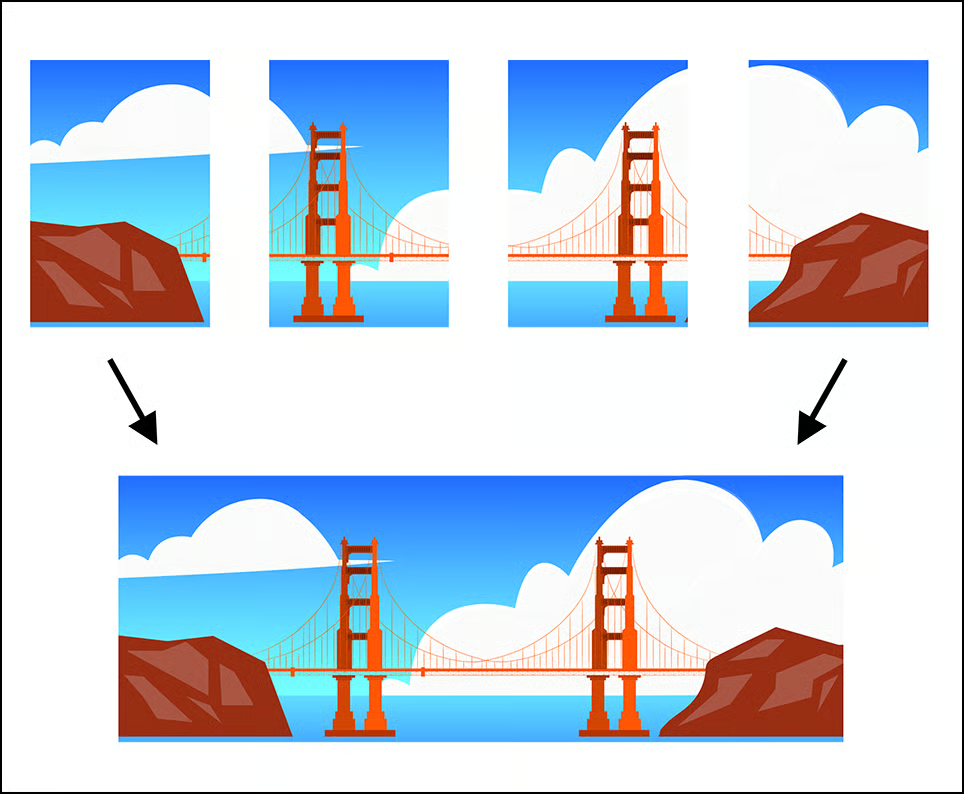
Import your RAW files and apply consistent lens corrections (chromatic aberration, vignetting). For stitching, PTGui is the industry standard for speed and control, especially with fisheye inputs; Hugin is a capable open-source option. With a diagonal fisheye, don’t “defish” first—feed the native fisheye images to the stitcher and declare the lens as a full-frame fisheye at 12mm. Aim for 25–35% overlap for fisheye frames (20–25% for rectilinear lenses). Depending on overlap and scene complexity, a 24.5MP source set often yields a final equirectangular between ~12–16K x 6–8K pixels.
For a solid overview of DSLR/mirrorless 360 capture and stitching concepts for VR delivery, see Meta’s guide to shooting and stitching a 360 photo. Using a DSLR or mirrorless camera to shoot and stitch a 360 photo
If you’re evaluating stitching tools, this practical review explains why PTGui remains a top choice for pros. PTGui review and workflow insights
Cleanup & Enhancement
- Nadir patching: Use PTGui’s Viewpoint correction or export to Photoshop for a clone/patch layer. AI-based tripod removers can save time for flat floors.
- Color consistency: Balance any mixed lighting and apply a global contrast curve. Keep WB consistent across the entire pano.
- Noise reduction: Apply moderate NR to shadow brackets, especially at ISO 1600–3200. Avoid over-smoothing details.
- Leveling: Use straight architectural edges or horizon lines to set yaw/pitch/roll. Many viewers accept 0.5–1° deviation, but aim for perfect level.
- Delivery: Export equirectangular 2:1 JPEG at 8–12K wide for web or 12–16K for premium tours. Keep a 16-bit TIFF master for archival.
For deeper reading on expected panorama resolution vs. lens choice, see the PanoTools spherical resolution notes. PanoTools: DSLR spherical resolution
Disclaimer: software evolves—confirm current features and best practices in the latest manuals and docs.
Useful Tools & Resources
Software
- PTGui panorama stitching
- Hugin open source
- Lightroom / Photoshop
- AI tripod removal tools
Hardware
- Panoramic heads (Nodal Ninja/Fanotec, Leofoto)
- Carbon fiber tripods
- Leveling bases
- Wireless remote shutters
- Pole extensions / car mounts
Disclaimer: software/hardware names provided for search reference; check official sites for details.
Common Mistakes & How to Avoid Them
- Parallax error → Align the entrance pupil precisely; verify with the two-object test before each job.
- Exposure flicker → Use manual exposure and a fixed Kelvin WB; avoid Auto ISO for multi-frame sweeps.
- Tripod shadows and holes → Always capture a nadir; plan to patch or shoot an offset nadir plate.
- Ghosting from movement → Shoot two passes and mask, or time the sweep between pedestrian flows.
- High-ISO noise at night → Favor longer exposures on a tripod; only raise ISO when wind or motion demands it.
- Flare with fisheye → Shield the front element from direct sun/lamps; avoid including the light source unless intentional.
Frequently Asked Questions
- Can I shoot handheld panoramas with the Nikon Z6 II?
Yes, but expect more stitching errors with close foreground objects. Use high shutter speeds (1/250 s+), lock exposure/WB, and maintain consistent overlap. For professional 360s, a leveled tripod and panoramic head are strongly recommended.
- Is the Samyang 12mm f/2.8 wide enough for single-row 360?
Generally yes. Six shots around at 0° pitch plus a zenith and nadir will cover a full sphere in most environments. In tight interiors with ceilings or fixtures, add overlap (8-around) and consider an extra upward frame if the zenith is complex.
- Do I need HDR for interiors with bright windows?
Usually. The Z6 II has strong dynamic range, but bright windows often exceed a single exposure. Use 3 × ±2 EV or 5 × ±1 EV brackets at each position for clean results and smooth tonality across the sweep.
- How do I avoid parallax issues with this combo?
Mount the Z6 II (with FTZ if used) on a two-rail panoramic head and calibrate the fore-aft position so that near and far objects don’t shift while panning. Mark that position on your rail and keep focus consistent; fisheye entrance pupil can shift a bit with focus distance.
- What ISO range is safe on the Z6 II for low light panoramas?
For critical quality, keep to ISO 100–800. ISO 1600–3200 is still very usable when you need faster shutter speeds. Combine with a sturdy tripod and EFCS to minimize shake instead of pushing ISO too high.
- Can I store a panorama setup as a custom mode?
Yes. Use Nikon’s U1/U2/U3 modes to store manual exposure, fixed WB, MF, EFCS, and drive settings. This speeds up on-site setup and keeps your pano workflow consistent.
- How do I reduce flare with this fisheye?
Avoid pointing directly at strong light sources. Shade the lens with your hand just outside the frame, or time frames to keep the sun behind an object. Clean the front element to minimize micro-contrast loss from smears.
- What is the best tripod head for this setup?
A compact, precise panoramic head with an L-bracket and two rails (fore-aft and vertical) is ideal. Look for engraved scales, solid clamps, and a leveling base. Brands like Fanotec/Nodal Ninja and Leofoto offer reliable options.
Visual Inspiration & Reference
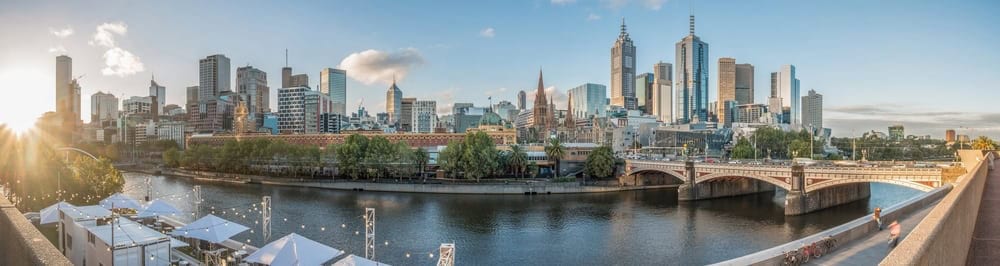
For a broader DSLR/virtual tour gear overview and field tips, this guide has practical takeaways on cameras, lenses, and heads. DSLR virtual tour gear and workflow guide
Safety, Reliability & Backup
On rooftops or balconies, always prioritize safety—use tethers and avoid leaning over railings. For pole work, secure guy lines and keep bystanders clear. In traffic or public areas, get permissions and use spotters. The Z6 II’s dual slots let you write RAW to both cards; enable this for paid jobs. If time allows, shoot a full second pass—especially for HDR interiors or windy exteriors—to ensure you have at least one clean, stitchable set.