Why This Camera & Lens Are Great for Panoramas
If you want to know how to shoot panorama with Nikon D850 & Nikon AF-S 8-15mm f/3.5-4.5E ED Fisheye, you’ve picked a powerhouse combo. The Nikon D850’s 45.7MP full-frame (FX) BSI CMOS sensor delivers extremely high detail with superb dynamic range (around 14+ stops at base ISO 64) and a fine pixel pitch (~4.35 µm). That means clean shadows, flexible RAWs for HDR panoramas, and plenty of resolution for high-quality equirectangular exports and virtual tours.
The Nikon AF-S 8-15mm f/3.5-4.5E ED Fisheye is a specialty zoom that gives you two fisheye modes on FX: a circular 180° FOV at 8mm and a full-frame diagonal 180° at 15mm. For 360 photos, fisheye is ideal because it minimizes the number of shots while maintaining overlap, which reduces stitching errors and the time you spend on location. The lens includes ED glass and advanced coatings (including Nano Crystal Coat and fluorine on the front element), keeping contrast high and flare manageable. Autofocus works well, but for 360 capture you’ll often lock manual focus at or near hyperfocal for maximum consistency.
As an optical choice, a fisheye intentionally bends straight lines, but stitching software like PTGui recognizes fisheye projections, so distortion is not a problem for spherical output. The D850’s rugged body, weather sealing, mirror-up modes, and exposure delay features also make it a reliable field tool in wind, on rooftops, or on pole rigs.
Quick Setup Overview
- Camera: Nikon D850 — Full-frame (35.9×23.9mm), 45.7MP BSI CMOS, base ISO 64, excellent DR, no IBIS, EFCS and mirror-up options.
- Lens: Nikon AF-S 8-15mm f/3.5-4.5E ED Fisheye — circular fisheye at 8mm, diagonal fisheye at 15mm, sharpest around f/5.6–f/8, good control of CA for a fisheye.
- Estimated shots & overlap (field-tested):
- 8mm (circular): 4 around (90° increments) + nadir; add a quick zenith if you want extra coverage. Overlap target: 30–40%.
- 10–12mm: 6 around + zenith + nadir. Overlap target: ~30%.
- 15mm (diagonal): 8 around + zenith + nadir. Overlap target: 25–30%.
- Difficulty: Easy for outdoor/static scenes; Moderate indoors and in crowds (nodal alignment and timing matter).
Planning & On-Site Preparation
Evaluate Shooting Environment
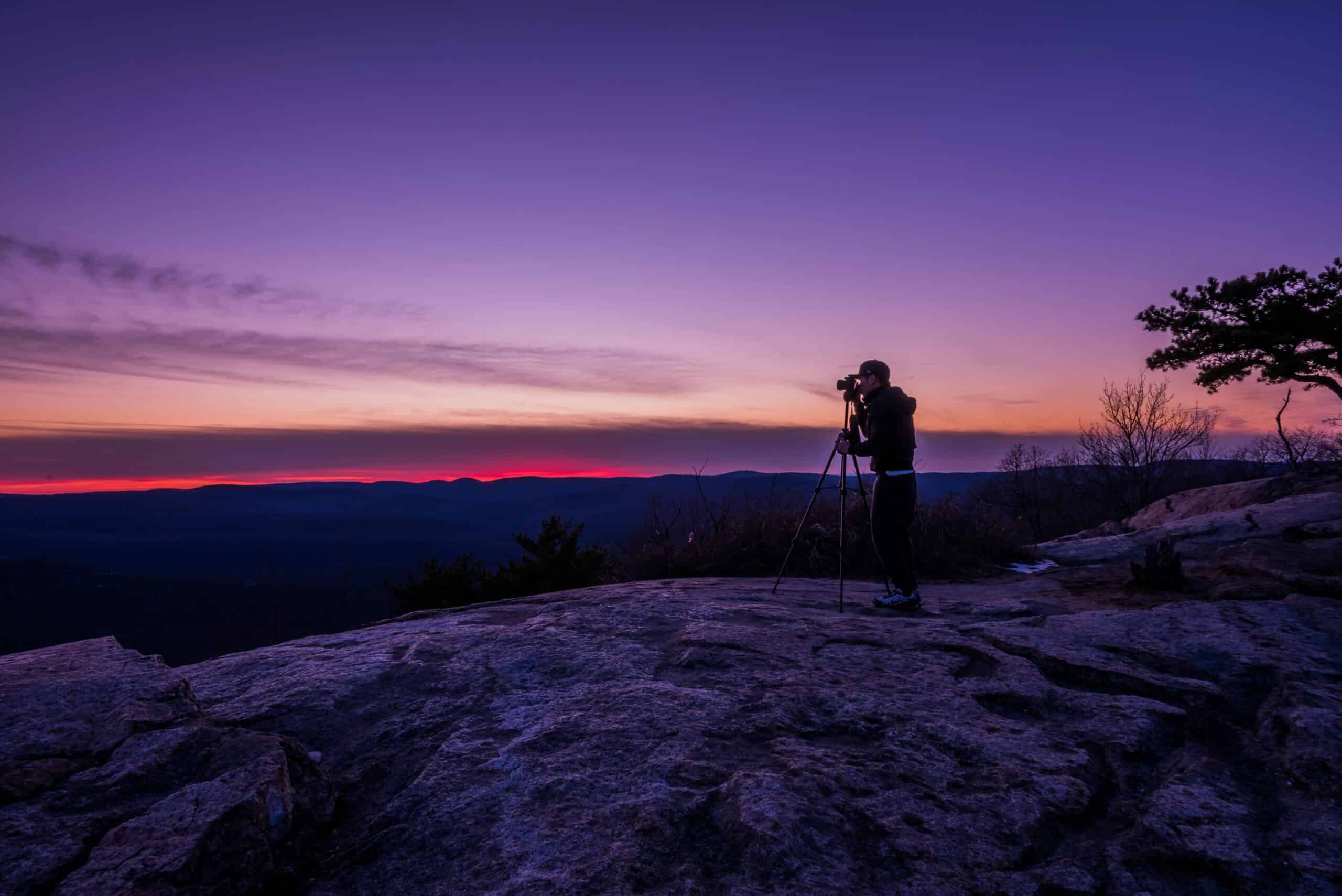
Before setting up, walk the space and note light sources, highly reflective surfaces (glass, polished floors), and moving elements (people, traffic, trees in wind). If you must shoot through glass, keep the lens very close to the pane (1–2 cm) to minimize reflections and ghosting, and shield side light. For sunlit scenes, plan your rotation so the sun’s position is consistent across frames to reduce flare.
Match Gear to Scene Goals
The D850’s dynamic range and clean low ISO files shine in high-contrast scenes such as interiors with bright windows or sunset cityscapes. It sustains excellent quality at ISO 64–800, with ISO 1600 still workable if needed. The Nikon 8–15mm fisheye reduces the number of frames you need, which is a huge advantage for interiors with people moving or outdoor scenes with shifting clouds. Use 8mm circular when speed matters; use 12–15mm diagonal for slightly higher stitched resolution and less nadir footprint at the expense of more shots.
Pre-shoot Checklist
- Charge batteries; bring spares. The D850 is efficient, but long HDR brackets and Live View drain faster.
- Use fast, reliable cards; shoot RAW (14-bit lossless compressed for maximum flexibility).
- Clean the lens dome and sensor; dust spots are very visible on big sky gradients.
- Level your tripod and calibrate your panoramic head for the lens focal length you’ll use.
- Safety: On rooftops or poles, use a safety tether and watch wind gusts; avoid overhangs or unsecured edges.
- Backup plan: When time permits, shoot a second full rotation as a safety take, especially in changing light.
Essential Gear & Setup
Core Gear
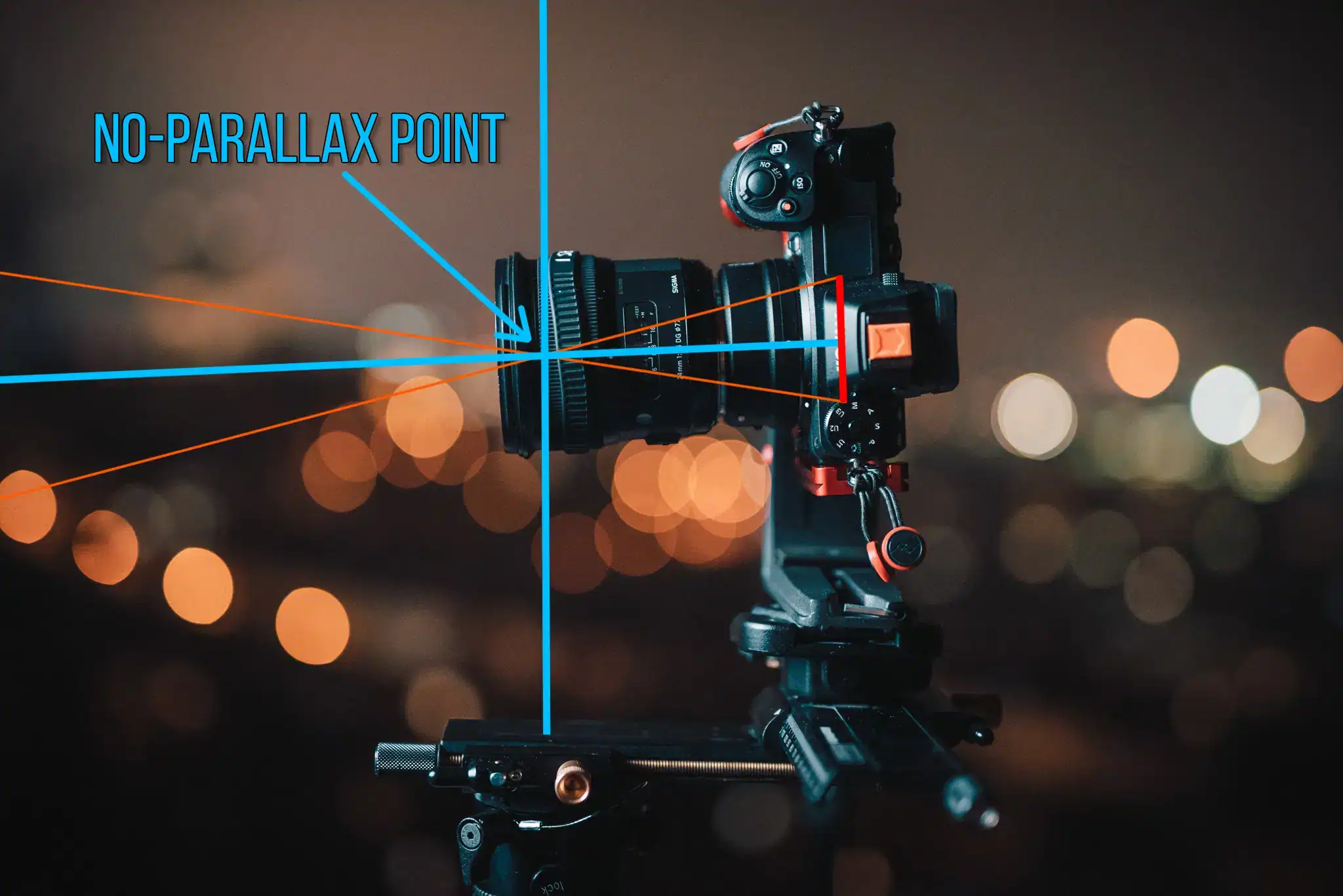
- Panoramic head: Use a calibrated pano head so the rotation axis passes through the lens’s entrance pupil (nodal point). This eliminates parallax and makes stitching clean.
- Stable tripod with leveling base: A leveling base speeds setup; keep the rotator truly level for consistent coverage.
- Remote trigger or app: Use a cable release or SnapBridge to avoid camera shake. On the D850, Exposure Delay Mode and Mirror-Up also help.
Optional Add-ons
- Pole or car mount: Great for elevated or moving perspectives. Always use a safety line; monitor wind and vehicle vibration. Keep shutter speeds higher (1/250s+).
- Lighting aids: Portable LED panels or bounced flash to lift interiors. For 360, keep light stands out of view or plan to patch them out.
- Weather protection: Rain covers, microfiber cloths for the fisheye dome; even small droplets become huge artifacts.
New to pano heads? A concise primer on setup and technique can save you hours—read this panoramic head tutorial for fundamentals and calibration tips. Panoramic head basics and setup guide
Step-by-Step Shooting Guide
Standard Static Scenes
- Level and align: Level the tripod, then adjust the panoramic head so the camera is level in all directions. Align the lens’s entrance pupil with the rotator axis. Use the foreground/background alignment test (two vertical objects) and adjust until there’s no relative shift when panning.
- Manual exposure and WB: Set Manual mode. Meter for the mid-tones or the brightest frame you expect to capture. Lock white balance to a fixed preset or Kelvin value (e.g., Daylight 5500–5600K) to avoid stitching color shifts.
- Focus: Switch to Live View, magnify, and set manual focus near hyperfocal. At 8–12mm and f/8, focusing around 0.7–1.0 m typically yields infinity sharpness. Switch AF off to keep focus consistent.
- Capture with overlap:
- At 8mm: shoot 4 frames at 0°, 90°, 180°, 270°, then a nadir. Add a quick zenith if you want extra sky coverage.
- At 12–15mm: 6–8 around, plus zenith and nadir.
Use Exposure Delay Mode (e.g., 0.3–1s) or mirror-up to reduce vibration. A 2–5 second self-timer is also fine.
- Nadir shot: Tilt down to take a clean ground shot for tripod removal in post. If possible, shift the camera laterally on the head to shoot a clean patch where the tripod was.
HDR / High Dynamic Range Interiors
- Bracket ±2 EV: Use 3 or 5 frames depending on contrast (windows vs. interior shadows). Keep ISO at 64–200 for the cleanest results.
- Consistency: Lock WB, focus, and aperture (e.g., f/8). Use the same bracket set for every pano position to simplify batch processing and stitching.
Low-Light / Night Scenes
- Long exposures: Use a sturdy tripod and remote. The D850 has no IBIS; rely on the tripod and Exposure Delay/Mirror-Up.
- ISO strategy: Start at ISO 64–200 for static scenes and lengthen shutter; for wind or minor subject motion, ISO 400–800 is a safe range. ISO 1600 is still usable with good noise reduction.
Crowded Events
- Two passes: First pass fast for coverage, second pass waiting for gaps. Later, mask and blend the emptiest areas per sector in post.
- Lens choice: Prefer 8–10mm so you need fewer shots, reducing the chance of subject movement causing ghosting.
Special Setups (Pole / Car / Drone)
- Pole: Secure the rig, tether the camera, and keep the pole vertical. Use higher shutter speeds (1/250–1/500s) and fewer frames (8mm, 4-around) to minimize motion issues.
- Car mount: Choose smooth pavement, keep speed low, and schedule for low traffic. Use 8mm circular for speed and coverage.
- Drone: The D850 is too heavy for typical drones; consider dedicated 360 cameras for aerial work.
Recommended Settings & Pro Tips
Exposure & Focus
| Scenario | Aperture | Shutter | ISO | Notes |
|---|---|---|---|---|
| Daylight outdoor | f/8–f/11 | 1/100–1/250 | 64–200 | Lock WB (Daylight/Kelvin). Use Exposure Delay to prevent shake. |
| Low light/night | f/4–f/5.6 | 1/30–1/60 (or longer on solid tripod) | 400–800 (1600 if needed) | No IBIS on D850; remote trigger encouraged. |
| Interior HDR | f/8 | Bracket ±2 EV | 64–400 | Keep WB fixed; merge HDR per angle before stitching. |
| Action / moving subjects | f/5.6–f/8 | 1/200+ | 400–800 | Fast rotation and two-pass technique for clean masks. |
Critical Tips
- Manual focus near hyperfocal at f/8: At 8–12mm, you’ll cover near-to-infinity with consistent sharpness.
- Nodal calibration: Place two vertical objects (near/far); pan the camera and adjust the fore-aft rail until there’s no relative shift. Mark your rail for 8mm and 15mm positions; expect slightly different values.
- White balance lock: Avoid auto WB flicker; use a fixed preset or Kelvin value (e.g., 4000–4500K for warm interiors) for consistent stitching.
- RAW over JPEG: The D850’s 14-bit RAW gives maximum DR and malleability. Use lossless compressed to save space without sacrificing quality.
- Stabilization: This lens has no VR and the D850 has no IBIS. On tripod, stabilization is moot—focus on solid support and delay/mirror-up.
- EFCS/Mirror-up: Enable Electronic Front-Curtain Shutter and Mirror-Up or Exposure Delay to eliminate micro-vibrations, especially at 1/60–1s.
- Lens hood: Remove the hood at 8mm circular fisheye to avoid vignetting the circle; use it at longer focal lengths when possible to reduce flare.
Stitching & Post-Processing
Software Workflow
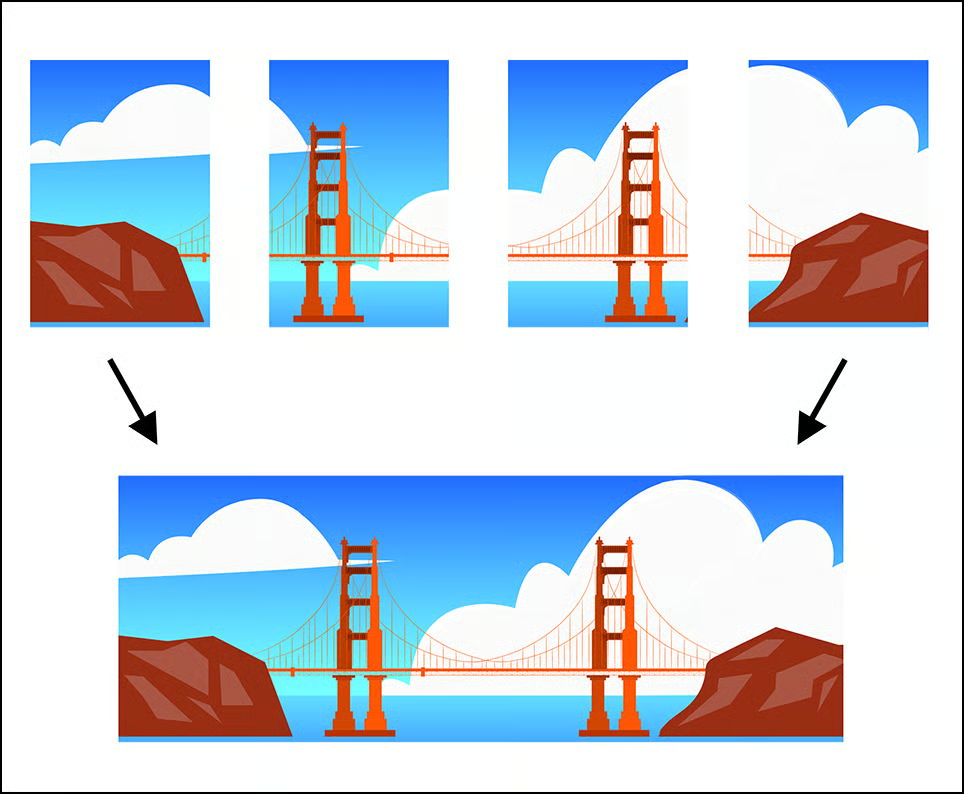
For the D850 + fisheye files, PTGui is a go-to: it supports fisheye lens models, batch processing, and HDR merges. Hugin is a robust open-source alternative. Lightroom and Photoshop can stitch smaller sets but are less flexible for 360 output and fisheye control. With fisheye, you shoot fewer frames, so the stitch is often faster; set the lens type to Fisheye (circular or full-frame) and define the focal length used. Overlap of 25–35% is typical for fisheye; 20–25% works for rectilinear lenses but usually requires more shots. For platform output, export equirectangular (2:1) JPEG/TIFF in 16k or higher if your scene warrants it.
For a deeper dive into high-end DSLR 360 workflows, including planning and stitching best practices, see this guide for creators using DSLRs. DSLR and mirrorless 360 photo workflow
If you want an overview of PTGui’s strengths and why many panorama pros prefer it, this review outlines key tools like control point editing and masking. PTGui review and features overview
Cleanup & Enhancement
- Nadir patch: Export a down-looking frame and clone out the tripod, or use a logo patch. Many virtual tour builders include a nadir patch tool.
- Color consistency: Sync WB and tone across frames; apply gentle global contrast, then local adjustments for windows and lamps.
- Noise reduction: For ISO 800–1600 interiors, apply moderate luminance NR and preserve edges. Consider merging HDR before stitching.
- Leveling: Use horizon/vertical alignment tools in your stitcher to correct roll, yaw, and pitch for a perfect horizon.
- Export: Deliver equirectangular 2:1 in JPEG (quality 9–11) for web/VR or 16-bit TIFF for archival and retouching.
Disclaimer: Software evolves; always check the latest documentation and release notes for updated features and workflows.
Useful Tools & Resources
Software
- PTGui panorama stitching
- Hugin open source
- Lightroom / Photoshop
- AI tripod/nadir removal tools
Hardware
- Panoramic heads (Nodal Ninja, Leofoto)
- Carbon fiber tripods with leveling bases
- Wireless remote shutters or SnapBridge control
- Pole extensions / car suction mounts with safety tethers
Also see this focal length and panorama overview for context on shot counts and overlap. Panoramas, focal lengths, and coverage
Disclaimer: product names for search reference only; check official sites for specs and compatibility.
Common Mistakes & How to Avoid Them
- Parallax error → Use a proper pano head and align the entrance pupil. Recalibrate if you change focal length on the 8–15mm.
- Exposure flicker → Shoot in Manual mode with fixed WB and fixed aperture; avoid auto ISO bracketing that changes per frame.
- Tripod shadows or reflections → Shoot a dedicated nadir frame and patch; watch reflectivity on shiny floors and windows.
- Ghosting from moving subjects → Use two passes and mask; shorten rotation time by using 8mm and fewer frames.
- Noise at night → Keep ISO moderate (64–800) and use longer exposures on a stable rig; use NR selectively in post.
- Flare with fisheye → Shade the lens with your hand (out of frame) or plan rotation so the sun is at the edge of frames, not dead center.
Field-Proven Scenarios with the D850 + 8–15mm
Indoor Real Estate
Use 10–12mm for a balance of coverage and resolution. Bracket ±2 EV at f/8, ISO 64–200. Keep all lights either on or off per scene. Watch mirror and window reflections; take an extra angle with you moved out of reflections for masking later.
Outdoor Sunset
Base ISO 64 with f/8–f/11, timed around peak color. If the sun is in frame, try a quick extra exposure two stops faster at the sun-facing angle to protect highlights, then blend manually. Consider 8mm to reduce the number of frames during rapidly changing light.
Event Crowds
Shoot fast at 8mm, 4-around, 1/200s, ISO 400–800. Do a second pass waiting for gaps in crowds at each angle. Later, layer the cleanest segments from each pass for minimal ghosting.
Rooftop or Pole Work
In wind, lower the pole height, increase shutter speed, and keep the rotation smooth and deliberate. Safety tether the camera body. Use 8mm to minimize total capture time and motion between frames.
Car-Mounted Capture
Plan a smooth route; shoot 8mm at 1/250–1/500s, ISO adjusted as needed. Even with a sturdy mount, vibrations and parallax from moving traffic can complicate stitches—shoot multiple takes and pick the cleanest.
Visual Examples & Concepts
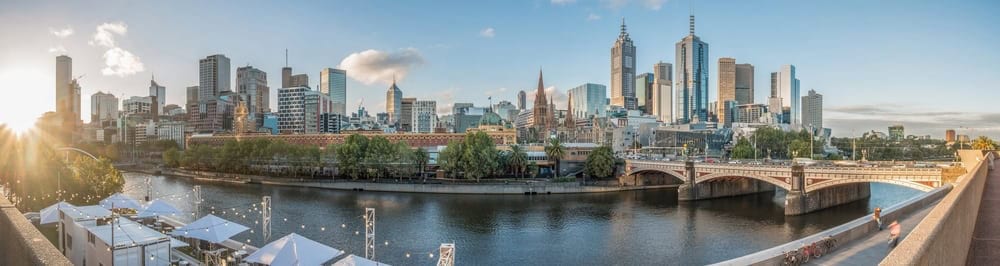
Frequently Asked Questions
- Can I shoot handheld panoramas with the Nikon D850?
Yes, but only for quick, non-critical work. Handheld capture often introduces parallax and misalignment, especially indoors. If you try it, use 8mm to minimize frames, keep elbows tucked, rotate around your body’s midline, and shoot in high shutter speeds (1/250s+). For professional results, use a tripod and pano head.
- Is the Nikon AF-S 8–15mm wide enough for single-row 360s?
Absolutely. At 8mm circular, 4-around plus a nadir is typically sufficient. At 12–15mm diagonal, plan 6–8 around plus zenith and nadir. The fisheye projection makes coverage efficient while maintaining overlap for robust stitching.
- Do I need HDR for interiors with bright windows?
Often yes. The D850 has excellent dynamic range, but bright windows can exceed a single exposure. Bracket ±2 EV (3–5 frames) at each angle and merge HDR per angle before stitching for the cleanest result.
- How do I avoid parallax issues with this lens?
Use a calibrated panoramic head and align the entrance pupil (nodal point). Perform the near/far alignment test at the exact focal length used (8mm, 10–12mm, or 15mm) and mark your rail positions for quick recall next time. Recalibrate if your camera plate or head changes.
- What ISO range is safe on the D850 for low light?
For tripod-based panoramas, ISO 64–400 is ideal; ISO 800 is still very clean, and ISO 1600 remains usable with decent noise reduction. Prefer longer shutter speeds over high ISO when the scene is static.
- Can I set up custom shooting modes for pano?
Yes, you can save key settings to user banks (U1/U2 equivalents on Nikon are “Photo Shooting Menu Banks” A–D). Store Manual exposure, fixed WB, RAW 14-bit, and your bracketing preferences to speed up field work.
- How do I reduce flare with the fisheye?
Plan your rotation so the sun stays near the edge of frames rather than centered, use the lens hood when not at 8mm circular, and shield with your hand just outside the frame. Clean the front element frequently—smudges amplify flare.
- Which tripod head is best for this setup?
Use a two-axis panoramic head with a fore-aft rail (e.g., Nodal Ninja, Leofoto, Sunwayfoto). Ensure it supports fore-aft and vertical offset adjustments to place the sensor/lens where the rotation axis needs it, and that it locks firmly for repeatable results.
Safety, Limitations, and Trustworthy Practices
The D850 is rugged, but always tether your camera on rooftops or poles, avoid extended exposure to rain, and shield the fisheye front element. The 8–15mm’s protruding dome is vulnerable—use the lens cap when moving between locations. Keep fingers and straps out of frame; a circular fisheye sees everything. Back up cards after each location, and maintain a clear versioning scheme for HDR brackets and stitched outputs. For a broader perspective on DSLR 360 workflows and gear choices, see this field-tested DSLR 360 FAQ and guide. DSLR 360 camera/lens FAQ and workflow tips