
Why This Camera & Lens Are Great for Panoramas
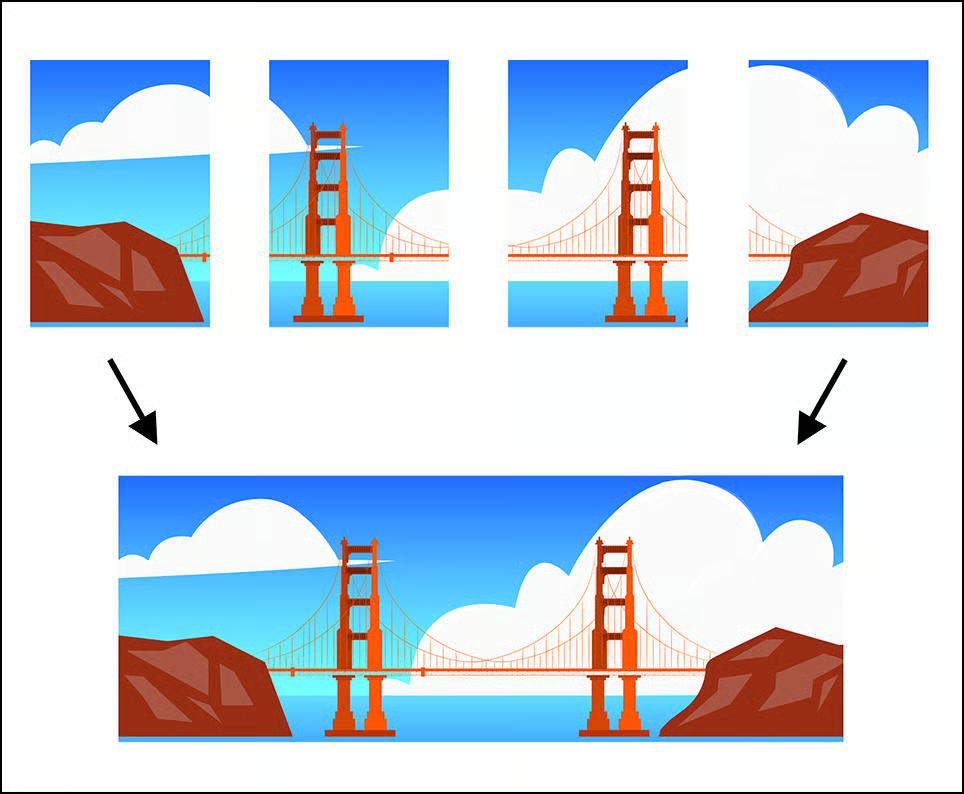
The Fujifilm GFX 50S / 50R paired with the Sigma 8mm f/3.5 EX DG Circular Fisheye is a powerful, efficient combo for creating high-quality 360° panoramas and virtual tours. Here’s why. The GFX 50 series uses a 44 × 33 mm medium-format sensor with 51.4 MP resolution (8256 × 6192) and a pixel pitch of ~5.3 µm. This delivers excellent dynamic range (~14 stops at base ISO 100), low noise, and plenty of latitude for HDR panorama work. The Sigma 8mm is a circular fisheye: it projects a 180° field of view across the frame as a circular image. That means you need fewer shots to cover a full sphere, reducing stitch seams and time on site.
On GFX, the circular fisheye image remains circular (designed for full-frame 36 × 24 mm), so you’ll see more “black” around the circle. That’s normal and actually helpful: stitching apps like PTGui accept circular fisheye images and use the circle crop automatically. The key benefit is speed: with this lens you can complete a full 360° with as few as 3–4 shots around, plus an optional nadir for tripod removal. Focus is easy at 8 mm (huge depth of field), and manual exposure/white balance locks keep colors consistent for seamless stitches.
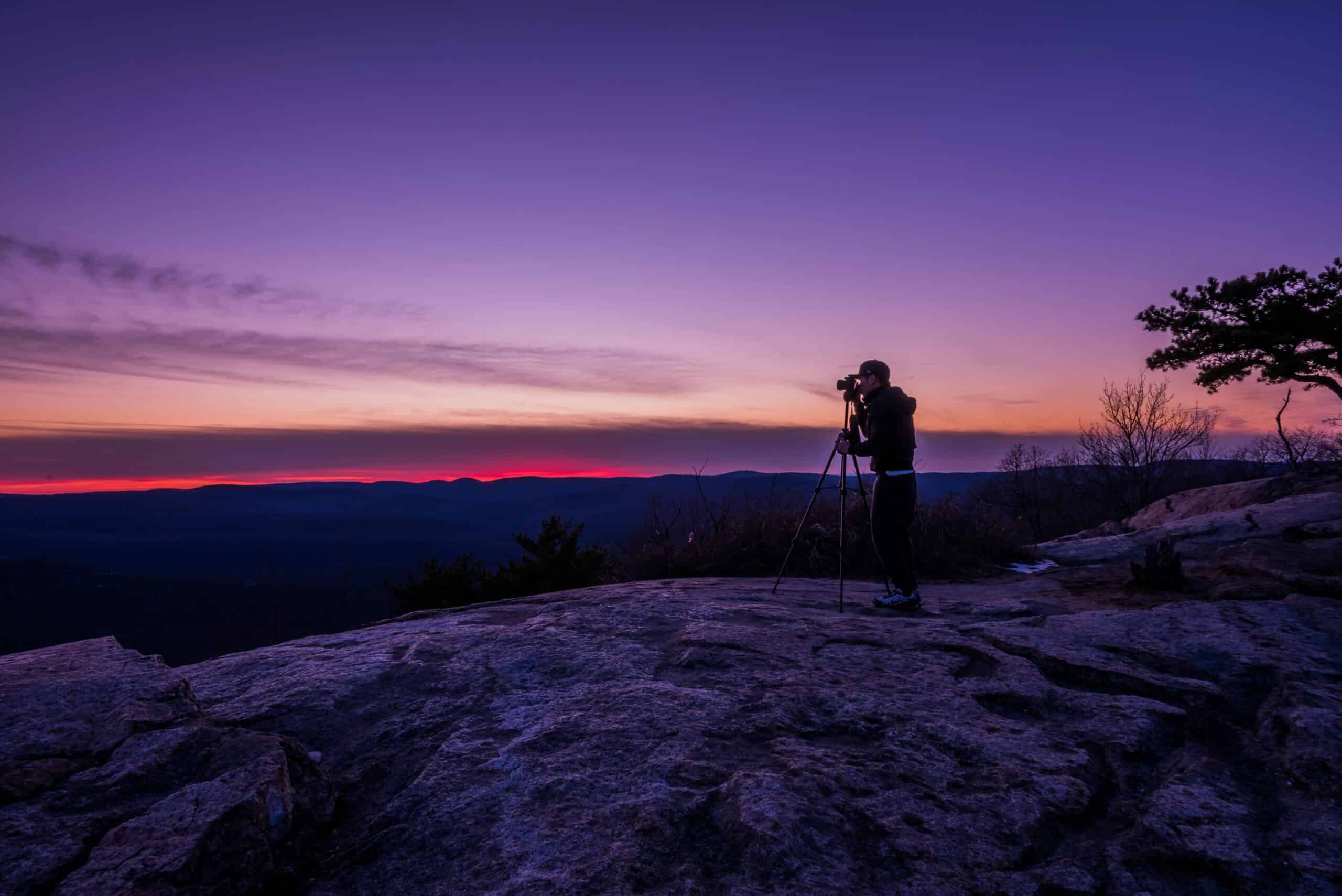
Quick Setup Overview
- Camera: Fujifilm GFX 50S / 50R — 44 × 33 mm sensor, 51.4 MP, ~14 stops DR at ISO 100, excellent color depth. No IBIS on these models (use a stable tripod).
- Lens: Sigma 8mm f/3.5 EX DG Circular Fisheye — circular fisheye, 180° FOV, very sharp from f/5.6–f/8, minimal CA centrally and easy to profile in post. Requires an EF–GFX or F–GFX adapter; smart EF–GFX adapters allow electronic aperture control.
- Estimated shots & overlap:
- 4 shots around at 90° yaw spacing, camera level, ~30–35% overlap — safe for most scenes.
- 3 shots around at 120° yaw spacing — works in open scenes; add a nadir if using a tripod.
- Optional nadir patch: 1 extra shot offset for clean tripod removal.
- Difficulty: Moderate (easy capture, careful nodal setup, disciplined post).
Planning & On-Site Preparation
Evaluate Shooting Environment
Assess light direction, contrast, and movement. Interiors with bright windows will require HDR bracketing. Reflective surfaces (glass, polished floors) amplify parallax and tripod visibility—shoot with precise nodal alignment and prepare to patch the nadir. If shooting through glass, keep the lens as close as possible (1–3 cm) to reduce reflections; use a black cloth or rubber lens hood to block stray light and avoid flare/ghosting. Watch for wind on rooftops and poles; the GFX 50 body is substantial—stability matters.
Match Gear to Scene Goals
When you’re deciding how to shoot panorama with Fujifilm GFX 50S / 50R & Sigma 8mm f/3.5 EX DG Circular Fisheye, remember the strengths: medium-format dynamic range for clean shadows and highlight recovery; low ISO color fidelity; and the fisheye’s 180° coverage for minimal frames. Indoors, ISO 100–400 is your sweet spot; ISO 800 is still clean, 1600 acceptable with noise reduction. The circular fisheye means fewer images and faster capture in dynamic spaces (events, streets), but be mindful of the characteristic fisheye rendering: straight lines bend. That’s not a problem for 360/VR outputs (equirectangular final), but avoid tilting the camera unnecessarily to minimize stitching stress.
Pre-shoot Checklist
- Charge batteries; bring spares. 50MP RAW + brackets consume power and storage fast.
- Empty/fast UHS-II SD cards; consider dual-slot mirroring for redundancy.
- Clean lens (front/rear) and sensor; fisheyes show dust easily.
- Level tripod; calibrate your panoramic head to the lens’s no-parallax (entrance pupil) point.
- Safety: weigh down tripod on windy rooftops; use safety tethers on poles and car rigs; avoid crowds directly underneath poles.
- Backup workflow: shoot a second pass if time allows; bracket exposure for safety in mixed light.
Essential Gear & Setup
Core Gear
- Panoramic head: lets you rotate the camera precisely around the lens’s entrance pupil to eliminate parallax. Set fore–aft and vertical offsets so foreground and background features remain aligned as you pan.
- Stable tripod with a leveling base: fast, accurate leveling saves time and avoids horizon tilt artifacts.
- Remote trigger or app: use a 2 s timer, wired remote, or app to eliminate vibration. Even at 1/100, small shakes can blur 50MP files.
Optional Add-ons
- Pole or car mount: great for elevated views or drive-by mapping. Safety first—tether the camera, monitor wind, and avoid power lines.
- Lighting aids: small LED panels for dim interior corners; gels to balance mixed lighting.
- Weather gear: rain cover, microfiber cloths, silica gel in humid environments.
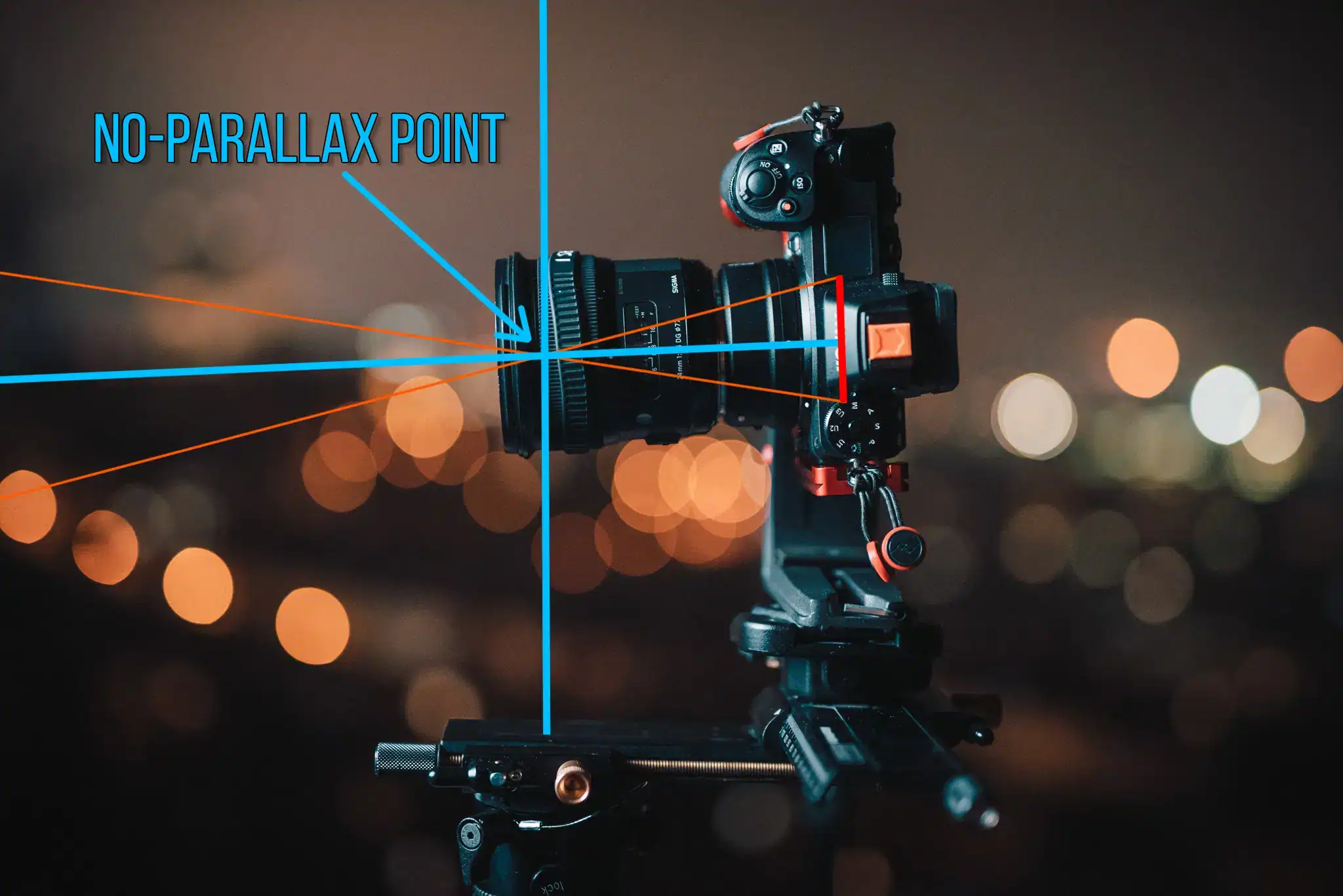
New to panoramic heads? This quick primer on setup and alignment provides a solid foundation: panoramic head basics and calibration.
Step-by-Step Shooting Guide
Standard Static Scenes
- Level and lock: Level the tripod using the base and fine-tune on the panoramic head. Lock all axes except the yaw (pan) rotation.
- Calibrate nodal alignment: With two vertical objects (one near, one far), pan left/right and adjust the fore–aft slider until the near object doesn’t shift relative to the far object. With this lens, your entrance pupil will typically be roughly 5–6 cm forward of the sensor plane, but always verify and record your exact value on the rail.
- Manual exposure and WB: Switch to M mode. Meter the mid-tones (avoid brightest windows/lights). Lock a fixed white balance (Daylight/Tungsten/Custom). Shoot RAW.
- Focus: Manual focus around 0.4–0.6 m at f/5.6–f/8. The 8 mm focal length provides enormous depth of field; confirm via magnified live view.
- Capture sequence:
- 4 around at 90° spacing, camera level, with ~30–35% overlap. Optionally pitch up +5–10° to provide more zenith coverage.
- For speed: 3 around at 120° works outdoors with fewer close foreground elements.
- Nadir: shoot one extra frame by shifting the camera sideways (or rotate the head to an offset) to later patch out the tripod.
HDR / High Dynamic Range Interiors
- Bracket exposure: ±2 EV (3 or 5 frames) is usually enough to recover bright windows and dim corners. In extreme contrast, consider ±3 EV.
- Keep WB locked: Avoid auto WB; it can change across brackets and frames. Fix WB to one preset or custom value per scene.
- Keep all settings fixed: M mode, fixed ISO, fixed aperture. Only shutter speed changes within brackets.
Low-Light / Night Scenes
- Exposure: Use f/4–f/5.6 and longer shutter times (1/4–1 s on tripod). Start at ISO 100–400; ISO 800–1600 is acceptable on GFX with tasteful noise reduction.
- Stability: Use a remote/timer and avoid touching the rig. Shield from wind. Disable any lens stabilization if the lens had it (the Sigma fisheye does not).
- Check for light sources: Avoid direct lamp flare hitting the fisheye front element; shade with your hand or adjust pan order.
Crowded Events
- Two passes: First pass fast for coverage; second pass waiting for gaps in foot traffic.
- High shutter speeds: 1/200–1/500 s if light allows to freeze motion between frames.
- Masking in post: Plan to use masks to replace moving subjects from the cleaner pass during stitching.
Special Setups (Pole / Car / Elevated)
- Secure gear: Use a rated pole and clamp; tether the camera with a safety line. Balance the rig and watch for flex.
- Wind awareness: Limit pole height in gusts; increase shutter speed to reduce blur from sway.
- Rotation strategy: Slower, deliberate rotations; if using a pole head with detents (e.g., 90°), pause between frames to damp vibrations.
Recommended Settings & Pro Tips
Exposure & Focus
| Scenario | Aperture | Shutter | ISO | Notes |
|---|---|---|---|---|
| Daylight outdoor | f/8–f/11 | 1/100–1/250 | 100–200 | Lock WB to Daylight; avoid clipping highlights |
| Low light/night | f/4–f/5.6 | 1/4–1 s (tripod) | 100–800 (1600 if needed) | Remote/timer; shield from wind |
| Interior HDR | f/8 | Bracket ±2 EV | 100–400 | Lock WB; consistent bracket spacing |
| Action / moving subjects | f/5.6–f/8 | 1/200+ | 400–800 | Take two passes for masking |
Critical Tips
- Manual focus near hyperfocal: At 8 mm and f/8, focusing ~0.4–0.5 m keeps near-to-infinity sharp. Confirm with magnified live view.
- Nodal point calibration: Mark the fore–aft rail position for this lens on your pano head. Reuse the mark for consistent results.
- White balance lock: Prevents color shifts across frames and HDR brackets; crucial for seamless stitches.
- RAW always: Maximize dynamic range and color latitude; 50MP GFX files stitch into extremely detailed equirectangulars.
- Diffraction awareness: On 5.3 µm pixels, f/11 is fine; f/16 softens slightly. Prefer f/5.6–f/8 for peak sharpness.
- Adapters: Use a quality EF–GFX smart adapter (for EF version) to control aperture from the body. Check clearance—fisheye rear elements are bulbous; avoid adapters with deep baffles.
Stitching & Post-Processing
Software Workflow
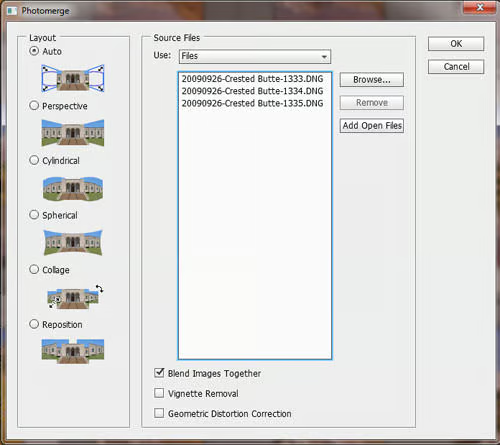
PTGui is the go-to for fisheye panoramas, with excellent control point generation and masking. Hugin is a powerful open-source alternative. In PTGui, set Lens Type to “Circular fisheye,” focal length to 8 mm, and define the circle crop (PTGui often detects the circle automatically on the GFX frame). Fisheyes require fewer shots and typically deliver robust control points; rectilinear lenses need more frames and overlaps. For circular fisheye, aim for 30–35% overlap between adjacent images. For most virtual tour platforms, export an equirectangular JPEG at 12,000–16,000 px width if your machine can handle it—GFX files readily support high-resolution outputs. For a review and workflow context, see this overview of PTGui’s strengths: PTGui in professional pano workflows.
Cleanup & Enhancement
- Nadir patch: Use the offset nadir shot, PTGui Viewpoint Correction, or clone/AI tools to remove tripod and shadows.
- Color and noise: Balance color using a gray reference if possible; apply gentle noise reduction for ISO ≥ 800 night frames.
- Leveling: Set the horizon and align pitch/roll in your stitcher; fisheye capture makes horizon leveling easier if tripod was level.
- Export: Save 16-bit TIFF masters for archival; export equirectangular JPEG/HEIC for web/VR with embedded XMP 360 metadata.
To deepen your pano fundamentals, Oculus’s guide to DSLR/mirrorless 360 capture is concise and practical: DSLR/mirrorless 360 photo workflow. For spherical resolution theory by lens/sensor, the PanoTools wiki is a solid reference: spherical resolution with DSLRs.
Useful Tools & Resources
Software
- PTGui panorama stitching (fast, robust masks and viewpoint correction)
- Hugin open source (powerful and flexible)
- Lightroom / Photoshop (RAW development, retouching, nadir patch)
- AI tripod removal tools (e.g., generative fill) for quick nadir cleanup
Hardware
- Panoramic heads (Nodal Ninja, Leofoto, Fanotec)
- Carbon fiber tripods with leveling bases
- Detent rotators (e.g., 90° stops for this fisheye workflow)
- Wireless remote shutters or apps
- Pole extensions / car mounts with rated tethers
Disclaimer: software/hardware names provided for reference; check official sites for specs and compatibility.
For a quick refresher on panoramic head setup and workflow, this guide is reliable: panoramic head setup principles.
Common Mistakes & How to Avoid Them
- Parallax error: Not aligning the entrance pupil leads to stitching ghosts. Calibrate once per lens and mark the rail.
- Exposure flicker: Shooting in auto mode or with auto WB causes tonal/color shifts. Lock exposure, ISO, and WB.
- Insufficient overlap: With 3 around, you’re on the edge—use 4 around when in doubt (busy scenes, close objects).
- Tripod shadows and reflections: Plan a nadir patch and mind reflections in shiny floors or glass installations.
- Flare and fingerprints: Fisheyes are flare-prone; keep the front element pristine and avoid shooting directly into intense point lights unless controlled.
- Adapter pitfalls: Poor-quality adapters can decenter or introduce play. Use tight-fitting, reputable EF–GFX/F–GFX adapters and recheck infinity focus.
Frequently Asked Questions
- Can I shoot handheld panoramas with the GFX 50S / 50R?
Yes, but it’s risky. The 50MP resolution is unforgiving to small rotations and parallax. For quick outdoor scenes, you might manage 3–4 handheld frames with the fisheye, but expect seam issues near foreground elements. A lightweight pano head and compact tripod dramatically improve consistency.
- Is the Sigma 8mm f/3.5 wide enough for a single-row 360?
Absolutely. It’s a circular fisheye with 180° FOV, so 3–4 shots around can cover the full sphere. Use 4 around at 90° for safer overlap and cleaner stitching, especially with interiors or complex foregrounds.
- Do I need HDR for interiors with bright windows?
Usually yes. Even with the GFX’s excellent dynamic range, windows can blow out. Bracket ±2 EV (3–5 frames). Merge in your stitcher or pre-merge to 32-bit before stitching. Lock WB and keep aperture/ISO fixed.
- How do I avoid parallax issues with this setup?
Use a panoramic head and align the rotation to the lens’s entrance pupil. With the Sigma 8mm, the entrance pupil is relatively close to the front element; expect your rail to sit notably forward. Calibrate using near/far objects and mark your rail so you can repeat it instantly.
- What ISO range is safe on the GFX 50 for low light?
ISO 100–400 is optimal. ISO 800 remains clean; ISO 1600–3200 is workable with noise reduction, especially for night cityscapes where grain is less distracting. Prefer tripod stability and longer shutter over pushing ISO.
- Can I set custom modes to speed up pano shooting?
Yes. Assign a custom setting with Manual exposure, RAW, fixed WB, single-shot drive, and focus peaking/magnification on a function button. This reduces setup time and ensures consistent frames.
- How do I reduce flare with a circular fisheye?
Avoid pointing directly at intense light sources, use your hand or a flag to shade the lens just out of frame, and clean the front element often. Consider sequencing your rotation to keep strong lights near frame edges where they’re easier to mask.
- What panoramic head should I buy for this combo?
Look for a two-rail head with precise fore–aft and vertical adjustments and a detent rotator (90° stops). Nodal Ninja, Fanotec, or Leofoto heads are sturdy and repeatable. The GFX’s weight favors heads with solid clamps and minimal flex.
Field-Proven Scenarios
Indoor Real Estate
Use 4 around + nadir at f/8, ISO 100–200, HDR ±2 EV. Keep the camera level and centered in the room; avoid standing too close to walls to reduce reflection and stitching stress. The circular fisheye minimizes the number of frames, speeding up multi-room shoots while preserving quality.
Outdoor Sunset
Expose for highlights (sky) at ISO 100–200, f/8, and bracket if necessary. Shoot quickly as the sky changes. A fisheye’s broad coverage helps capture the fleeting color gradients of golden hour with minimal seams.
Event Crowds
Go 4 around at 1/250 s, f/5.6, ISO 400–800. Take two passes to fill gaps and mask moving subjects later. The fisheye’s speed reduces inconsistencies caused by movement.
Rooftop or Pole Shooting
Balance the rig, use 90° detents, increase shutter speed to reduce sway blur, and shoot 4 around without a nadir (patch later). Always tether the camera and avoid high winds.
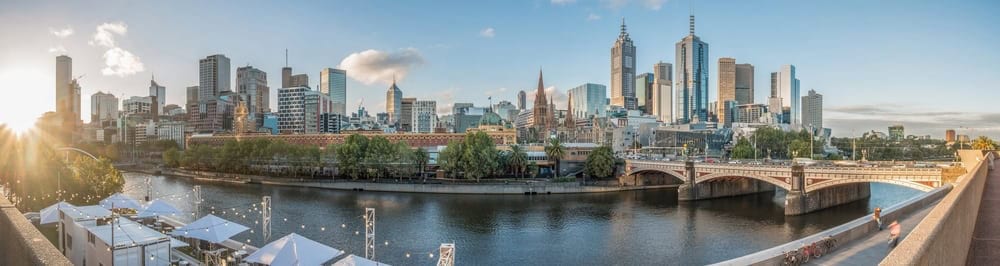
For more background on gear choices and field methods, this practical roundup is helpful: DSLR virtual tour gear and FAQs.